Table of Contents (19 sections)
Emergencies can arise unexpectedly, and swift action is often crucial in these situations. Drones in emergency response have emerged as powerful tools that enhance the effectiveness of first responders. By offering aerial perspectives, delivering supplies, and reducing response times, drones are revolutionizing the way we handle crises. This article will explore the multifaceted impact of drones on emergency services, highlighting their operational roles, advantages, challenges, and future prospects.
What Are Drones and Their Role in Emergency Response?
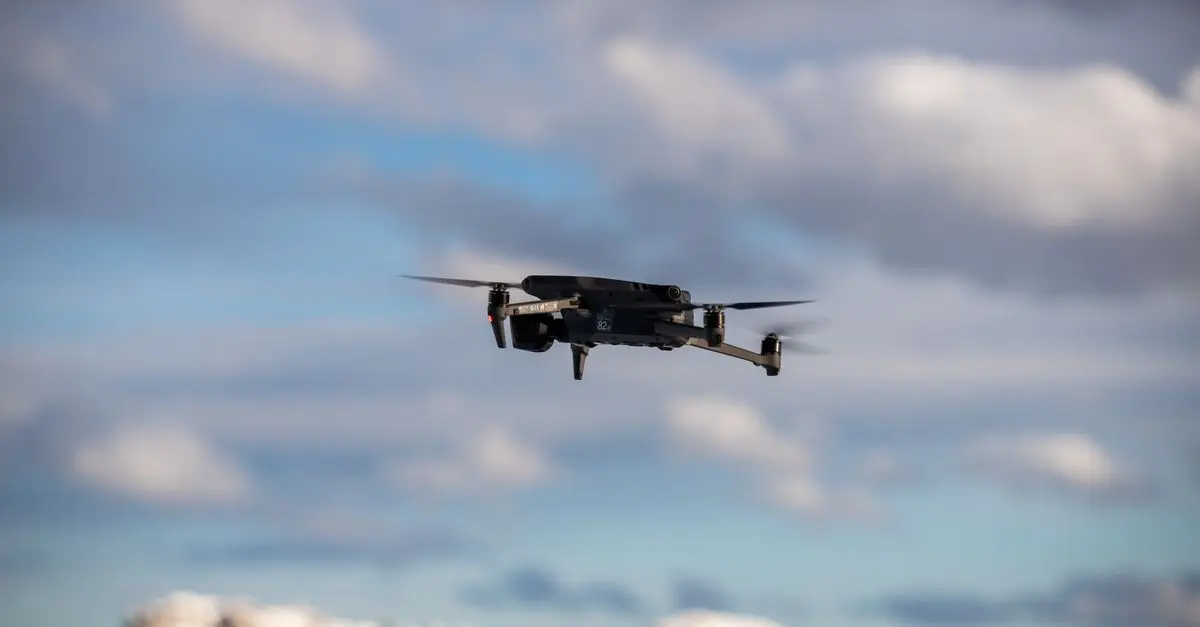
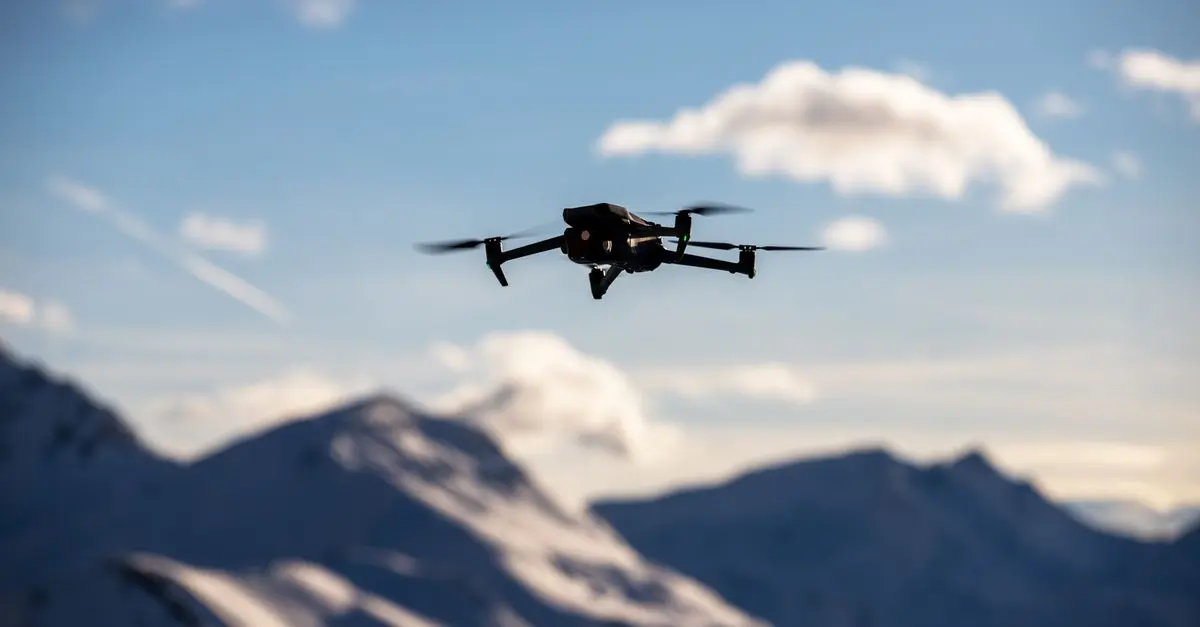
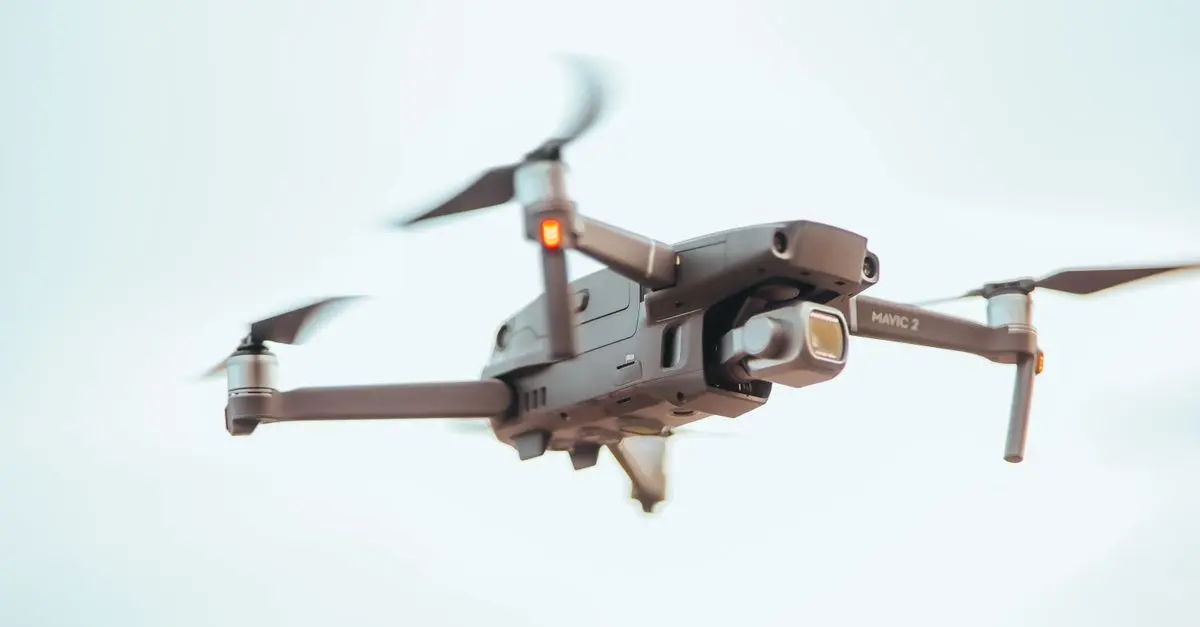
Drones, also known as unmanned aerial vehicles (UAVs), are aircraft operated remotely or autonomously. They can be equipped with cameras, sensors, and cargo-carrying capabilities, making them exceptionally versatile tools in emergency situations. In the context of emergency response, drones can be employed for search and rescue operations, damage assessment, surveillance, and even delivery of medical supplies.
For instance, in natural disasters such as floods or earthquakes, drones provide real-time aerial imagery that allows responders to assess damage and locate victims quickly. This technology reduces the time spent surveying large areas compared to traditional methods. According to research by the Federal Aviation Administration (FAA), the use of drones in search and rescue missions can decrease response times by up to 30%. This efficiency can be crucial when seconds count during emergencies.
How Drones Enhance Emergency Services
Aerial Surveillance and Reconnaissance
The ability of drones to capture high-resolution images and videos from the sky enables first responders to conduct thorough assessments of a situation. Equipped with thermal imaging and night vision cameras, drones can identify hotspots in disasters like wildfires, ensuring that firefighting resources are deployed effectively. Furthermore, during search and rescue missions, they can cover vast areas quickly, identifying people in distress who may be otherwise difficult to locate.
Medical Supply Delivery
Drones are also instrumental in delivering medical supplies to remote or inaccessible areas. For instance, in regions affected by natural disasters, traditional delivery methods may be hindered by debris or compromised infrastructure. Drones can bypass these obstacles, ensuring that emergency responders receive the equipment they need without delay. A notable example occurred in 2021 when drones delivered COVID-19 vaccines to hard-to-reach communities, showcasing their potential in public health emergencies as highlighted by the World Health Organization (WHO).
Communication and Coordination
Drones can serve as mobile communication hubs, particularly in areas where traditional networks are down. By providing real-time data, they assist in coordinating efforts among various emergency response teams. This integration becomes vital during large-scale emergencies where multiple agencies must work together seamlessly.


Necessaire rep/rustine emergency kit 6 rustines autocollantes/grattoir (boite)
Darty FR
Shelter In Place Emergency Preparedness Backpack by First Aid Only
concordhealthsupply.com
Challenges in Implementing Drones in Emergency Response
While drones offer vast benefits in emergency scenarios, several challenges still need to be addressed. Regulatory hurdles remain a significant barrier, as current airspace laws can limit where and how drones can be deployed. The FAA continues to refine regulations to allow for broader use of drones in emergency response, but compliance remains a complex issue.
Operational Limitations
Moreover, technical limitations such as battery life and payload capacity can restrict drone operations. Typically, drones may operate for only 20-30 minutes before needing to recharge. This time constraint necessitates careful planning and management to ensure drones are used efficiently during emergencies. Furthermore, adverse weather conditions can also hinder drone operations, necessitating alternative planning strategies.
Comparative Analysis of Drone Use in Different Emergency Scenarios
Understanding the different contexts in which drones can be utilized optimally is essential for emergency services. Below is a comparative analysis of drone applications across various emergencies:
| Emergency Type | Use Case | Benefits | Limitations |
|---|---|---|---|
| Natural Disasters | Damage assessment | Quick aerial surveys of affected areas | Limited data depending on conditions |
| Medical Emergencies | Supply drops | Rapid delivery of medical supplies | Distance limitations and payload capacity |
| Search and Rescue | Locating missing persons | Real-time imaging and video capabilities | Operational range and battery constraints |
| Public Health Crises | Vaccine distribution | Access to remote communities | Regulatory restrictions on airspace |
Expert Insights on the Future of Drones in Emergency Response
> 💡 Expert Opinion: Dr. Emily Hayes, a researcher in UAV technology, highlights, "The future of drones in emergency response is promising. As technology evolves, we foresee improvements in battery life, payload capacity, and navigation systems that will expand their capabilities even further. Collaboration between tech companies and emergency services is essential for maximizing their potential."
Frequently Asked Questions (FAQ)
What are the benefits of using drones in emergency response?
Drones provide real-time data collection, quick aerial assessments, and the ability to reach areas inaccessible by other means, enabling faster response times in emergencies.
How does drone technology improve search and rescue operations?
Drones equipped with cameras and sensors can cover large areas quickly, allowing for more efficient searches and increasing the chances of locating missing persons sooner.
Are there regulatory challenges in using drones for emergency response?
Yes, regulatory challenges exist due to airspace restrictions and the need for compliance with FAA regulations, which can limit where drones can be deployed.
Can drones deliver medical supplies during emergencies?
Absolutely. Drones are increasingly being utilized to deliver medical supplies, such as vaccines and first aid, quickly and efficiently to remote or disaster-stricken areas.
🔍 Conclusion
The integration of drones in emergency response efforts marks a significant technological advancement that enhances the ability to manage crises effectively. As regulations become more flexible, and technology continues to improve, we can expect drones to play an even more critical role in protecting lives and property during emergencies.
Checklist before Purchase
- [ ] Assess your drone’s battery life.
- [ ] Verify airspace regulations in your area.
- [ ] Check payload capacity for medical supplies.
- [ ] Identify emergency service needs in your region.
- [ ] Ensure compatibility with necessary accessories.
Glossary
| Term | Definition |
|---|---|
| UAV | Unmanned Aerial Vehicle, a drone used for various purposes. |
| Payload | The maximum weight a drone can carry, essential for delivery missions. |
| Thermal Imaging | Technology used to detect heat, useful in search and rescue. |
📺 Resource Video
For further insights: Understanding Drones in Emergency Response, a closer look at innovations and applications. Search on YouTube: "drones in emergency response 2026".
📺 Pour aller plus loin : drones in emergency response 2026 sur YouTube
Recommended products
Selected by our experts
Naturando Emergency Pelle 50ml
DocMorris FR (ex DoctiPharma FR)
A versatile emergency kit essential for first responders using drones, ensuring they can address various scenarios effectively.
Necessaire rep/rustine emergency kit 6 rustines autocollantes/grattoir (boite)
Darty FR
This emergency kit includes necessary supplies and tools that enhance the capability of drones during crisis interventions.
Shelter In Place Emergency Preparedness Backpack by First Aid Only
concordhealthsupply.com
A high-quality rain cover for drones ensures that equipment remains protected during adverse weather conditions, critical for outdoor operations.