Table of Contents (14 sections)
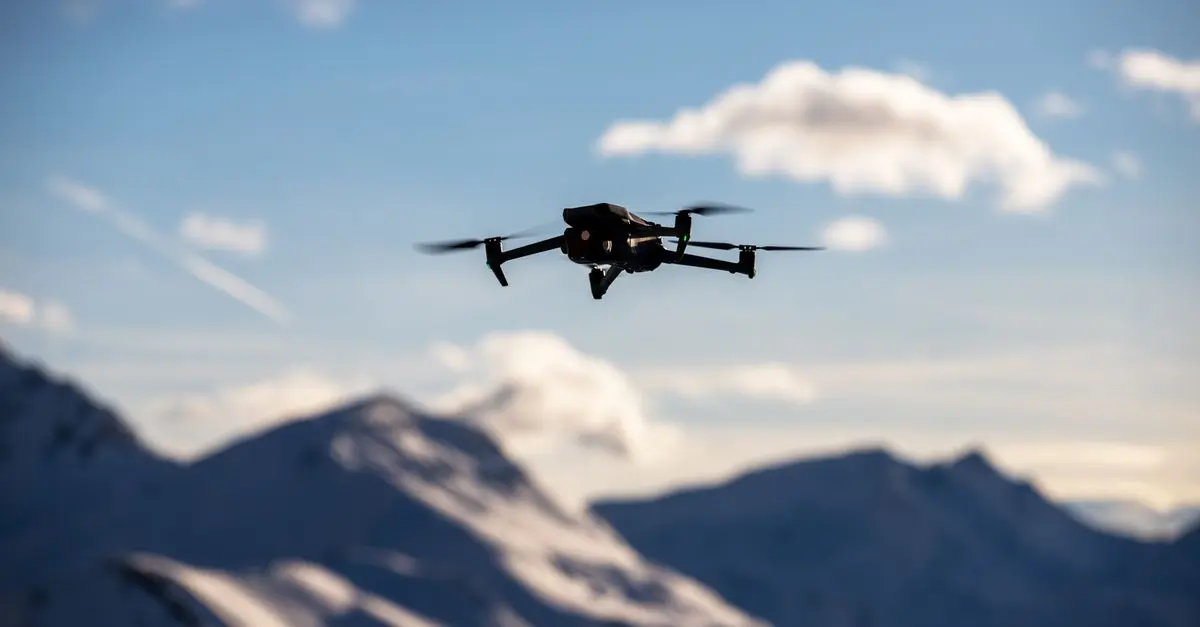
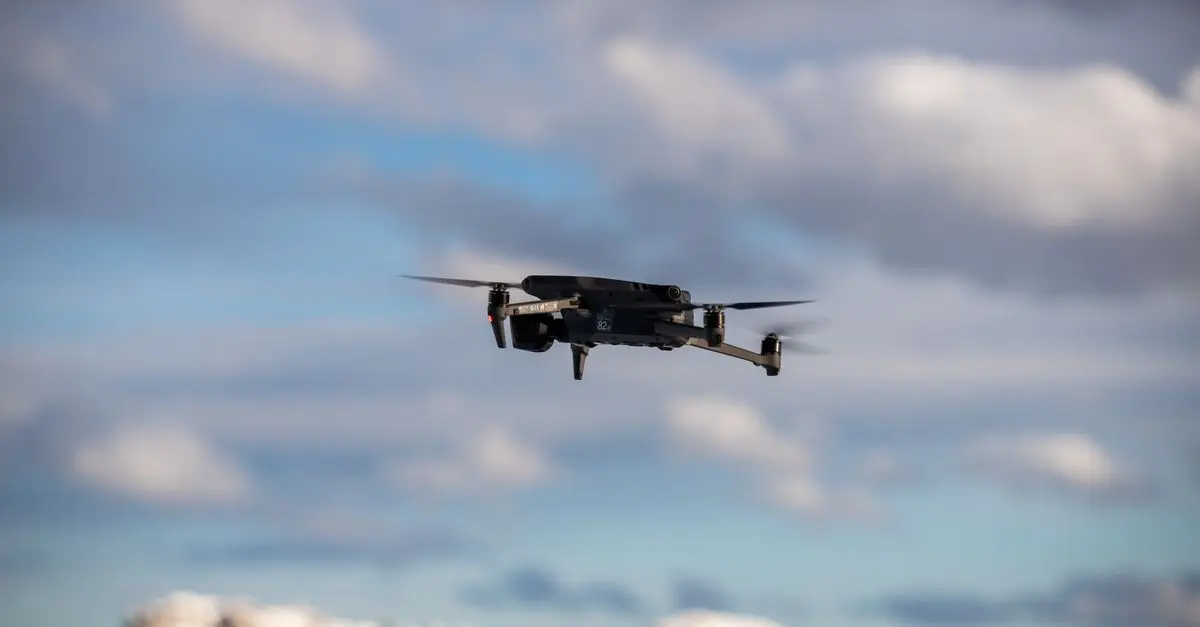
Urban mobility has been evolving rapidly in recent years, thanks to technological advancements. One of the most significant changes is the integration of drone technology. Drones, initially celebrated for their capabilities in photography and surveillance, are now being harnessed for urban transportation systems. This shift toward drone deployment promises to enhance the efficiency and accessibility of urban mobility.
Drones can alleviate congestion by offering alternative transportation options. As cities continue to grow and traffic increases, traditional methods such as cars and buses become increasingly inadequate. This has catalyzed the exploration of aerial vehicles, creating new layers of transport infrastructure that challenge our understanding of urban mobility. Research from UFC-Que Choisir indicates that the global drone logistics market is projected to reach $29 billion by 2027, reflecting the burgeoning interest in drone technology for transportation needs.
The Impact of Drone Technology on Transportation Systems
The incorporation of drone technology into urban transportation systems revolutionizes how people and goods are transported. Drones can provide on-demand services that traditional transportation cannot match. For example, delivery drones can bypass ground traffic, providing quicker services for packages. According to a 2026 study by Les Numériques, drone delivery systems could cut delivery times by up to 60% in urban areas with significant congestion.
Moreover, drone taxis are quickly becoming a viable mode of transport. Companies like Urban Air Mobility are developing solutions that enable passengers to travel over congested roads, effectively reducing time spent commuting. These aerial taxis are designed to operate on pre-established routes, significantly optimizing travel plans in urban environments. Customers are increasingly interested in these services, indicating a willingness to adapt to new forms of mobility. Early pilots in cities like Los Angeles and Dubai have demonstrated the feasibility of drone taxis, providing residents with insights into this transformative technology.
Procedural: How Drone Services are Implemented
Implementing drone services within an urban context requires careful planning and execution. The following steps are critical:
- Assess Urban Infrastructure Needs: Understanding the city’s layout and traffic congestion areas is essential. Drones can be utilized in ways that complement existing transportation networks.
- Regulatory Compliance: Adhering to local aviation regulations is crucial for safety and legal operation. Cities need to establish clear guidelines for drone operators.
- Mapping Flight Paths: Drone flight paths must be mapped out to ensure efficiency. This involves collaboration with transportation agencies and urban planners.
- Pilot Programs: Prior to a full rollout, pilot programs should be conducted to iron out any operational challenges. Feedback from these programs can guide improvements.
- Public Engagement and Education: Informing the public about new drone services will aid in acceptance and usage. Offering demonstrations and educational sessions can increase awareness.
By following these steps, cities can effectively incorporate drones into their existing transportation frameworks, maximizing their potential benefits.
Comparative Analysis: Drones vs. Traditional Transportation
The following table compares drone technology with traditional urban transportation methods:
| Criteria | Drones | Traditional Transportation | Verdict |
|---|---|---|---|
| Efficiency | High (quicker delivery) | Moderate (subject to traffic) | Drones outperform |
| Cost of Operation | Variable (tech dependent) | Fixed (fuel, maintenance) | Drones are potentially cheaper |
| Accessibility | High (accessible areas) | Moderate (road limitations) | Drones enhance accessibility |
| Environmental Impact | Lower (electric models) | Higher (fuel consumption) | Drones support sustainability |
Analytical Perspective: Key Trends in Drone Technology
As we advance through 2026, several trends concerning drone technology in urban mobility are becoming apparent:
- Increased Investment: According to INSEE, governments and private companies are investing heavily in drone technology, anticipating a shift towards autonomous flying machines.
- Environmental Benefits: Studies show that electric-powered drones can reduce carbon footprints in urban transport. A recent report states that drone deliveries could diminish urban traffic congestion by 30%, leading to lower emissions overall.
- Public Acceptance: Surveys indicate rising public acceptance of drone technology, with 70% of respondents supporting the use of drones for delivery services. This acceptance is crucial for the successful integration of drones into urban mobility frameworks.
How do drones improve urban mobility?
Drones provide fast delivery options and can operate in ways that alleviate road congestion, enhancing overall transport efficiency.
What are the regulatory challenges for drones in urban environments?
Regulatory challenges include airspace management, safety protocols, and zoning laws that can restrict drone operations.
Are drone taxis safe?
Yes, as long as safety measures and regulations are followed. Pilot programs are testing their safety and effectiveness extensively.
What is the impact of drones on the environment?
Drones have the potential to lower carbon emissions compared to traditional vehicles, especially when using electric models.
Glossary
| Term | Definition |
|---|---|
| Drone | An unmanned aerial vehicle used for various applications, including transport and observation. |
| Urban Mobility | The transportation of people and goods within urban areas, involving various modes of transport. |
| Aerial Taxi | A drone designed to carry passengers, operating similarly to conventional taxi services. |
Checklist before adopting drone technology in urban mobility
- [ ] Assess city infrastructure for drone integration.
- [ ] Ensure compliance with local regulations.
- [ ] Develop clear flight mapping processes.
- [ ] Engage in pilot programs for testing.
- [ ] Conduct public education initiatives to explain drone services.
🧠 Quick Quiz: How much can drone delivery cut down delivery times?
- A) 20%
- B) 60%
- C) 80%
Answer: B — Drones can reduce delivery times significantly, especially in congested areas.
📺 To go further: Exploring Urban Aerial Mobility, a comprehensive dive into the latest advancements in drone technology. Search on YouTube:
urban drone mobility 2026.
Recommended products
Selected by our experts
Fly Drones Like a Pro – Beginner to Intermediate
Alison US CA
Ideal for anyone looking to enhance their drone flying skills, this course covers essential techniques relevant to urban mobility applications.
Introduction to Drones
Alison US CA
A perfect starting point for those who want to understand drone functionalities and applications in various fields, critical for urban mobility.