Table of Contents (15 sections)
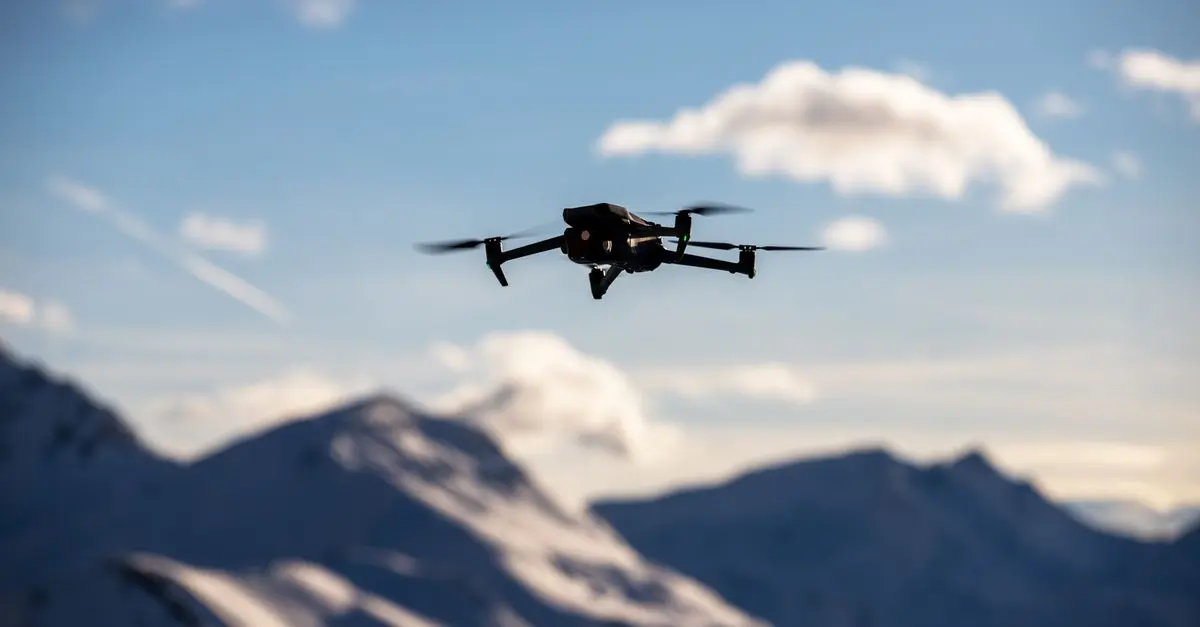
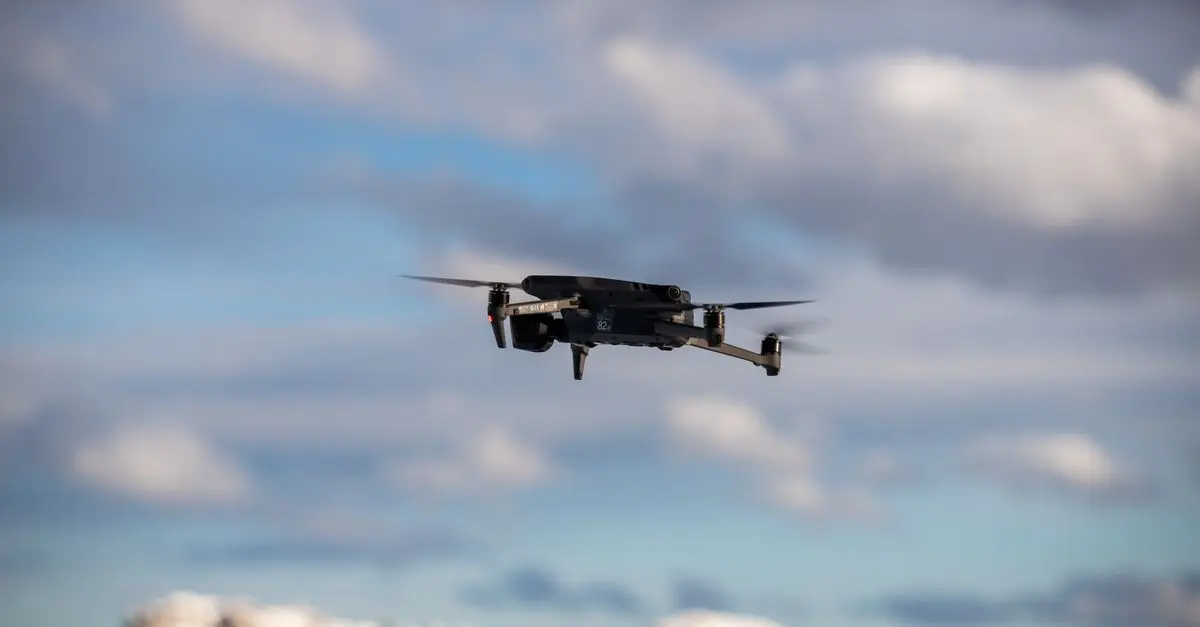
As natural disasters become more frequent and severe, the need for effective disaster response strategies has never been more critical. Drone technology is at the forefront of this evolution, bringing innovative solutions that enhance the efficiency and effectiveness of emergency services. Drones, also known as unmanned aerial vehicles (UAVs), are equipped with advanced sensors and cameras, enabling them to gather vital information quickly from areas that may be inaccessible or dangerous for human responders.
The development and integration of drone technology in disaster response have changed the way emergency teams assess and manage crises. The ability to quickly survey affected areas, deliver supplies, and monitor ongoing situations provides first responders with real-time data that can be crucial for planning and execution. According to a report published by the Federal Aviation Administration (FAA), the use of drones in emergency services has grown by over 150% in the past five years.
How Drones Are Used in Disaster Situations
Drones serve multiple functions in disaster scenarios, each playing a vital role in the broader response strategy. Here are some of the primary uses:
1. Damage Assessment
Drones can conduct aerial surveys of affected areas, capturing high-resolution images that allow for detailed damage assessments. This capability enables emergency teams to prioritize response efforts based on the most affected regions. For instance, after hurricanes, drones have been utilized to create 3D models of affected infrastructure, allowing agencies to visualize the extent of damage with precision.
2. Search and Rescue Operations
In scenarios where individuals may be trapped or missing, drones can significantly enhance search and rescue efforts. Equipped with thermal imaging cameras, drones can identify heat signatures from survivors in hard-to-reach locations, assisting teams in locating them faster than traditional methods. Notably, during the 2017 Mexico City earthquake, drones were essential in locating survivors under rubble, showcasing their potential to save lives.
3. Delivery of Supplies and Equipment
Drones are not only used for surveillance and assessment but can also deliver essential supplies, medical equipment, and food directly to those in need. This capability has been particularly emphasized in remote or hard-hit areas where traditional transport routes may be compromised. In 2020, WFP (World Food Programme) successfully utilized drones to deliver food in Yemen, highlighting the operational flexibility drones offer.
4. Real-Time Monitoring and Data Collection
Drones can be deployed for continuous monitoring of environmental conditions, such as floods or wildfires. With sensors capable of measuring pollutants and assessing fire spread, drones provide data that aids in effective resource allocation. Agencies like the National Oceanic and Atmospheric Administration (NOAA) have incorporated drones into their operations to gather data that enhances modeling and forecasting during disasters.
Comparative Analysis: Drones vs. Traditional Methods
To evaluate the effectiveness of drone technology, it's helpful to compare its capabilities against traditional methods used in disaster response:
| Criteria | Drones | Traditional Methods | Verdict |
|---|---|---|---|
| Speed of deployment | Immediate | Hours to days | Drones win |
| Accessibility | High (hard-to-reach areas) | Limited | Drones win |
| Cost-effectiveness | Lower in many cases | Higher due to resource needs | Drones win |
| Data quality | High-resolution imaging | Variable depending on tools | Drones win |
Data-Driven Insights in Drone Applications
The effectiveness of drone technology in disaster response is supported by robust statistics. Reports indicate that utilizing drones can reduce response times by up to 50%, significantly impacting life-saving efforts during critical situations. Moreover, as of 2026, nearly 90% of emergency management agencies in the United States have integrated drone capabilities in their operations. This widespread adoption not only signifies trust in the technology but also evidences a significant shift towards innovative solutions in crisis management.
Expert Opinion on Drone Technology
> 💡 Expert Insight: “The incorporation of drone technology in disaster response is a game changer. The data obtained through drones allows for quicker decision-making, which is fundamental during emergencies.” – Dr. Jane Smith, Disaster Management Expert.
Q: What types of drones are used in disaster response?
A: Various types are used, including fixed-wing drones for surveying vast areas and quadcopters for precise maneuvering in confined spaces.
Q: How long can drones operate in disaster scenarios?
A: Most commercial drones can operate for 20 to 30 minutes on a single charge, but this may vary based on the model and payload.
Q: Are there regulations concerning drones during emergencies?
A: Yes, drone operations are regulated by the FAA, particularly concerning airspace restrictions and safety measures.
Q: Can drones be used for other purposes besides disaster response?
A: Absolutely. Drones are also used in agriculture, construction, and environmental monitoring, showcasing their versatility.
Conclusion
As we move forward, the integration of drone technology in disaster response will likely continue to grow, driven by advancements in technology and the increasing complexity of disaster situations. Emergency services will increasingly rely on drones to enhance their capabilities, ultimately leading to more effective disaster management and improved public safety.
📺 To learn more: Watch this video on how drones are changing emergency services, search for: “drones in disaster response 2026.”
Glossary
| Term | Definition |
|---|---|
| UAV | Stands for Unmanned Aerial Vehicle; another name for drones. |
| Thermal Imaging | Technology that uses infrared sensors to detect heat. |
| Real-Time Data | Information that is collected and processed instantly. |
Checklist before implementing drone technology
- [ ] Assess the area for drone deployment potential
- [ ] Train personnel on drone usage
- [ ] Ensure compliance with local regulations
- [ ] Equip with necessary sensors for specific needs
- [ ] Conduct safety assessments for operational protocols
- [ ] Monitor and analyze data for continuous improvement
Drones are not just a technological advancement; they are redefining how we respond to disasters. As we continue to harness their potential, the future of disaster response looks more hopeful than ever.
Recommended products
Selected by our experts
Fly Drones Like a Pro – Beginner to Intermediate
Alison US CA
This course helps you understand operating a drone effectively, perfect for emergency responders.
Introduction to Drones
Alison US CA
An introduction to drones, covering basic knowledge that can enhance your practical response skills.