Table of Contents (19 sections)
What Are Drone Technologies?
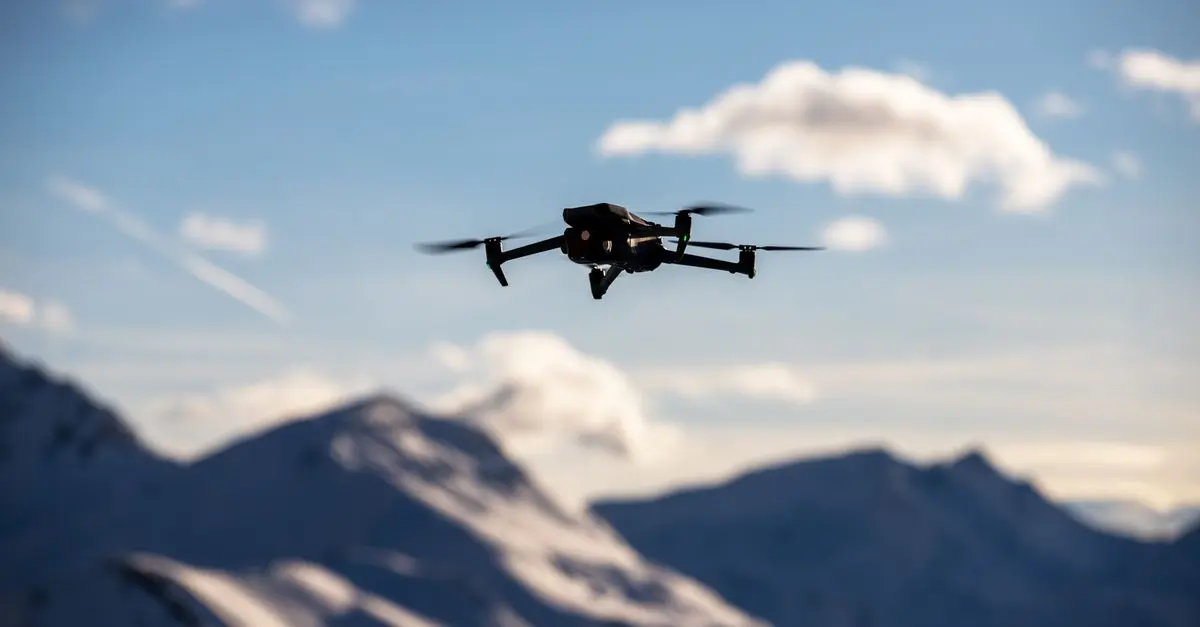
Drone technologies refer to the array of innovations that fuel the operation, control, and utility of unmanned aerial vehicles (UAVs). Since their inception, drones have evolved from military applications to serving multiple sectors including agriculture, real estate, logistics, and surveillance. The key components enabling these technologies include advanced GPS systems, artificial intelligence, and high-resolution cameras, all playing a pivotal role in enhancing capabilities.
As per a recent report from AUVSI, the drone market is projected to reach $43 billion by 2026, indicating the increasing demand for these technologies across various industries. The integration of drones into business operations signifies more than just aerial photography; it ushers in efficiency, cost reduction, and extensive data gathering abilities. According to the FAA, over 830,000 drones have been registered in the U.S. alone, illustrating their burgeoning footprint in consumer and commercial arenas. This widespread adoption is driven by their versatility and the enhancements in technology that make them more affordable and easier to operate.
How Drone Technology Is Implemented
The implementation of drone technology can be simplified into several actionable steps:
Step 1: Define the Purpose
Before utilizing drone technology, it is crucial to define its purpose. Whether it’s for aerial surveys, package deliveries, or crop monitoring, understanding the specific needs will dictate the type of drone to employ.
Step 2: Acquire Necessary Licenses
Different jurisdictions have varying regulations around drone usage. In the U.S., commercial drone operators are required to obtain a Part 107 license from the FAA. This ensures compliance with safety protocols and operational standards.
Step 3: Choose the Right Technology
The next step involves selecting the appropriate technology. Factors like flight time, payload capacity, and camera quality should be considered depending on its intended use.
Step 4: Pilot Training and Safety
It is imperative to invest in pilot training – there are numerous courses available geared towards both beginners and experienced pilots to enhance operational expertise. By following guidelines set forth by authorities like the FAA, safety standards can be upheld.
Step 5: Monitor and Analyze Data
Post-operation, the captured data needs thorough analysis. Employing data analytics software can help in interpreting findings and making informed decisions. Tools like GIS mapping software can turn drone-collected data into actionable insights, proving invaluable in fields such as agriculture and urban planning.
Comparing Drone Technologies: Fixed-Wing vs Multi-Rotor
In the world of drones, there are primarily two types utilized: fixed-wing and multi-rotor drones. Here’s a comparison table to elucidate their differences:
| Feature | Fixed-Wing Drones | Multi-Rotor Drones | Verdict |
|---|---|---|---|
| Flight Time | Longer (up to 10 hours) | Shorter (30-60 mins) | Fixed-wing best for long-range missions |
| Speed | Faster (over 60 mph) | Slower (up to 35 mph) | Fixed-wing ideal for large areas |
| Payload Capacity | Higher (10-30 kg) | Lower (up to 5 kg) | Fixed-wing can carry heavier equipment |
| Maneuverability | Less agile | Highly agile | Multi-rotor excels in tight spaces |
Analytical Insights on Drone Adoption
Drones are becoming integral to various industries, with substantial growth expected in the coming years. The 2026 Drone Industry Report predicts that logistics firms will increasingly rely on drones for last-mile deliveries. Companies like Amazon and UPS are already testing drone delivery services, propelling urban logistics into a new era.
Moreover, in agriculture, drone usage for precision farming continues to expand, with the market expected to reach $6 billion by 2026 according to a study by Mordor Intelligence. Drones assist farmers in crop health monitoring, irrigation management, and pest control, significantly enhancing productivity.
Drones also play a pivotal role in disaster response efforts. Recent analysis showed that 80% of emergency responders are utilizing drone technology for aerial surveys to assess damages and plan rescue operations. Advances in thermal imaging capabilities have further improved their effectiveness in search and rescue missions. Overall, the expected growth in the drone sector underscores a technological revolution impacting numerous facets of life.
Frequently Asked Questions
What are the most common uses of drone technologies?
Drones are commonly used in sectors such as agriculture for crop monitoring, logistics for package delivery, and construction for site surveys.
How do I choose the right drone for my needs?
Determine your specific requirements first, considering factors like weight capacity and flight duration, before selecting a drone tailored to those needs.
Are there regulations for flying drones commercially?
Yes, operators typically need to adhere to local aviation regulations, including acquiring necessary certifications from aviation authorities like the FAA.
What should I consider regarding drone maintenance?
Regular checks on battery life, propellers, and firmware updates are essential to ensure optimal functioning of the drone.
Glossary
| Term | Definition |
|---|---|
| UAV (Unmanned Aerial Vehicle) | An aircraft operated without a human pilot onboard. |
| GIS (Geographic Information System) | A framework for gathering, managing, and analyzing spatial and geographic data.
| Thermal Imaging | A technology that detects radiation in the infrared range to create images based on heat emitted by objects.
Checklist Before Purchasing a Drone
- [ ] Define your purpose for acquiring a drone.
- [ ] Research regulations in your area.
- [ ] Compare different models and technologies.
- [ ] Assess your training needs.
- [ ] Consider future upgrades and accessories.
🧠 Quick Quiz
> What is the primary advantage of fixed-wing drones compared to multi-rotor drones?
> - A) They are more agile
> - B) They can carry heavier payloads
> - C) They have shorter flight times
> Answer: B — Fixed-wing drones can carry heavier payloads due to their structural design which accommodates larger equipment.
📺 To go further: [Watch this comprehensive guide discussing how drone technologies are reshaping industries.] Search on YouTube:
drone technologies impacting industries 2026.
📺 Pour aller plus loin : drone technologies impacting industries 2026 sur YouTube
Recommended products
Selected by our experts
Fly Drones Like a Pro – Beginner to Intermediate
Alison US CA
This course is ideal for those looking to advance their understanding of drone technology from beginner to intermediate levels.
Introduction to Drones
Alison US CA
A foundational course on drones that covers essential concepts, making it perfect for newcomers to the drone technology field.