Table of Contents (9 sections)
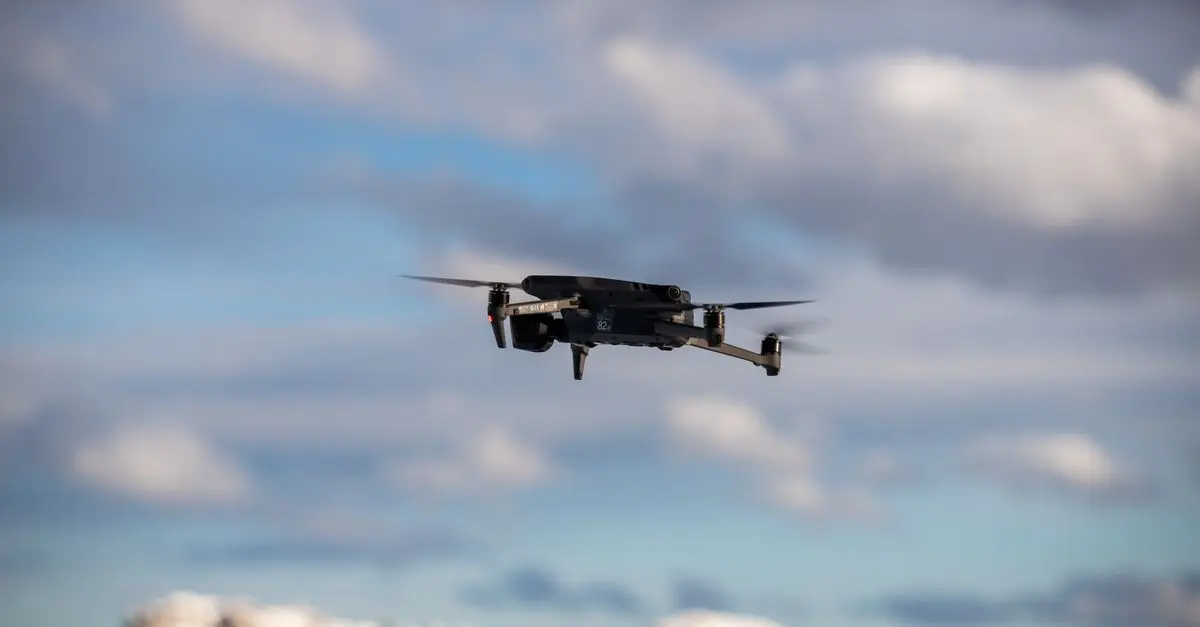
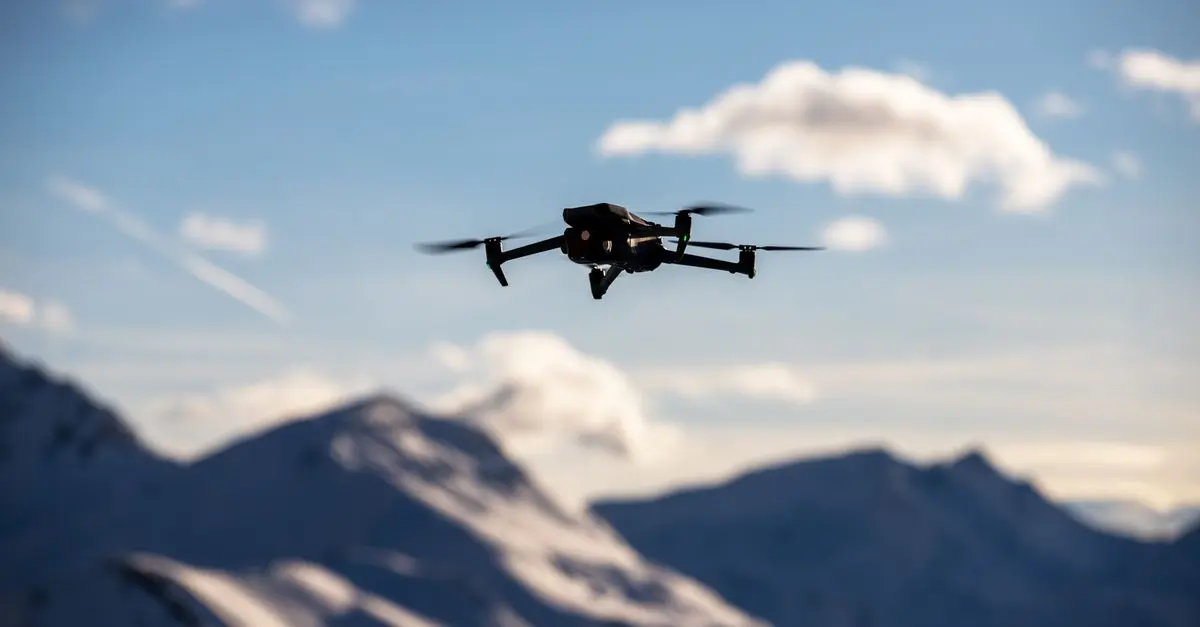
In recent years, drone delivery technology has evolved from a futuristic concept to a viable logisitics solution. With advancements in aerodynamics, battery technology, and regulatory frameworks, drones are increasingly used for last-mile delivery. Companies like Amazon and UPS have already started pilot programs to leverage this technology. The efficiency and speed of drone delivery can address the growing consumer demand for fast shipping while reducing carbon emissions associated with traditional delivery methods.
1. The Rise of Drone Delivery Technology
As online shopping continues to surge, particularly after the disruptions caused by the pandemic, the need for faster delivery options has become more pressing. Drone delivery technology is seen as a game-changer for logistics companies aiming to reduce delivery times from days to mere hours or even minutes. According to UFC-Que Choisir, drone deliveries can shorten the average delivery time by up to 60%. Moreover, drones can reach remote areas that are otherwise challenging for conventional delivery vehicles.
For example, in remote areas of rural America, drone deliveries have begun to provide much-needed supplies, such as medication and food, directly from pharmacies and grocery stores. This has proven invaluable for areas where conventional logistics may take longer due to geographical constraints. In ranging weather conditions, drones equipped with high-tech sensors can assess the safety of delivery routes and optimize the path to the destination.
2. How Drone Delivery Works: A Step-by-Step Guide
The operational process of drone delivery is structured and involves several critical steps:
- Order Placement: Customers place orders through apps; information is relayed to a central system.
- Route Planning: Algorithms assess the best route based on factors such as weather, flight restrictions, and delivery timelines.
- Drone Deployment: Drones are loaded with the order and sent for delivery. They utilize GPS and other navigation technologies for accurate routing.
- Delivery Confirmation: Upon arrival, drones can land safely at designated drop-off points or hover to ensure a secure and precise drop-off.
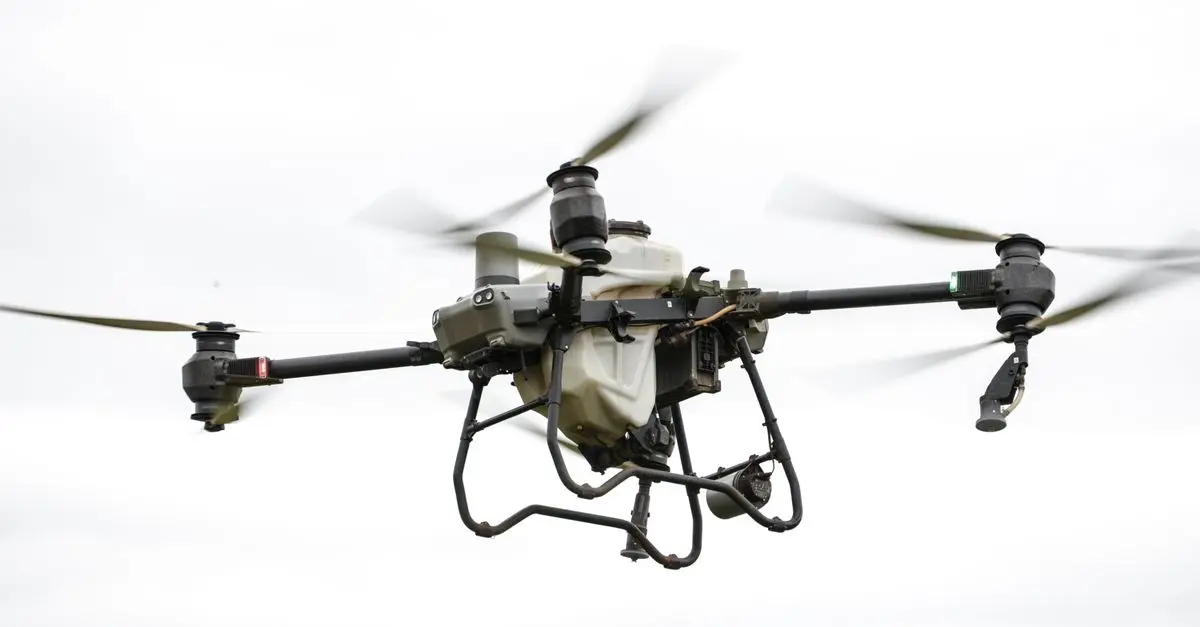
Due to advancements in technology, drones are now capable of carrying heavier payloads while operating more efficiently. For instance, companies are experimenting with hybrid models that combine electric propulsion with fuel-based systems, allowing for longer flight times without the need for frequent recharging.
3. Comparative Impact: Drone Delivery vs. Traditional Delivery
When comparing drone delivery with traditional delivery methods, several factors highlight the advantages of employing drones:
| Criteria | Drone Delivery | Traditional Delivery | Verdict |
|---|---|---|---|
| Speed | 30 minutes avg | 1-3 days avg | Drones are significantly faster. |
| Cost Efficiency | Lower operational costs | Higher fuel costs | Drones reduce costs over time. |
| Environmental Impact | Less carbon emissions | Higher emissions | Drones are environmentally friendly. |
| Accessibility | Reaches remote areas | Limited access | Drones expand access to deliveries. |
4. The Future Trends in Drone Delivery Technology
Several key trends are expected to shape the future of drone delivery technology:
- Increased Automation: As AI technology progresses, more functions of drone operations will become automated, from flight path planning to obstacle avoidance. Automated systems can significantly reduce operational costs, allowing wider accessibility of drone services.
- Integration with e-commerce: Major online retailers will increasingly partner with drone delivery services to enhance their logistics strategies. This integration could lead to same-day or even within-hour delivery options.
- Regulatory Developments: Governments worldwide are beginning to recognize the potential benefits of drone delivery technology. More streamlined regulations will lead to safer and more efficient air traffic management for drones, paving the way for expanded usage in urban delivery.
- Public Acceptance: As with any new technology, public perception plays a significant role in its adoption. Educating the public about safety, privacy, and the benefits of drone deliveries will be essential.
According to Les Numériques, the global drone delivery market is projected to grow significantly, with estimates suggesting it could reach $1.5 billion by 2026. This growth is indicative of the increasing reliance on technology to meet dynamic consumer needs.
5. Frequently Asked Questions (FAQs)
Q: Are drones safe for deliveries?
A: Yes, drones undergo rigorous testing to ensure operational safety. Regulations are also evolving to enhance safety standards.
Q: What products can be delivered by drones?
A: Currently, drones can deliver small packages, medical supplies, and essential goods. Future innovations may expand payload capacities.
Q: How fast can drones make deliveries?
A: Delivery times are typically around 30 minutes, significantly faster than traditional methods.
Q: What are the environmental benefits of drone deliveries?
A: Drones produce fewer carbon emissions compared to delivery trucks, making them more eco-friendly.
Glossary
| Term | Definition |
|---|---|
| Drone | An unmanned aerial vehicle operating without a human pilot onboard. |
| Last-Mile Delivery | The final step of the delivery process where goods are transported from a transportation hub to the end customer. |
| Payload | The cargo carried by a drone, which could include packages or medical supplies. |
🧠 Quiz rapide: What is one advantage of drone delivery over traditional delivery?
- A) Faster delivery times
- B) More expensive
- C) Larger payload capacity
Réponse : A — Drones can deliver packages much faster than traditional delivery methods.
📺 For further exploration:
For an in-depth analysis of how drone technology is evolving for delivery systems, search on YouTube: "future of drone delivery technology 2026".
📺 Pour aller plus loin : future of drone delivery technology 2026 sur YouTube
Recommended products
Selected by our experts

Kingston Technology FURY 16GB 3200MT/s DDR4 CL20 SODIMM Impact
Topbiz FR
We recommend high-performance RAM to support the latest drone technologies and software for efficient logistics management.
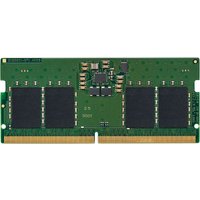
Kingston Technology ValueRAM 8 Go 1x8 Go DDR5 5600 MT/s 262-pin SO-DIMM
Topbiz FR
An essential product for rapid processing and data handling in drone delivery systems.
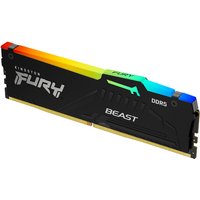
Kingston Technology FURY Beast 16GB 6400MT/s DDR5 CL32 DIMM RGB EXPO
Topbiz FR
This advanced RAM is suitable for running complex simulations and systems in drone technology.