Table of Contents (14 sections)
Drone technology has emerged as a pivotal innovation that is reshaping the landscape of transportation services. Studies indicate that the global drone logistics market is expected to reach $29 billion by 2026, demonstrating the significant potential for growth and change. From enhancing delivery speed to reducing operational costs, drones are redefining how goods are transported across various sectors.
In this article, we delve deep into the multifaceted impact of drone technology on transportation services, exploring its applications, benefits, and challenges.
What is Drone Technology?
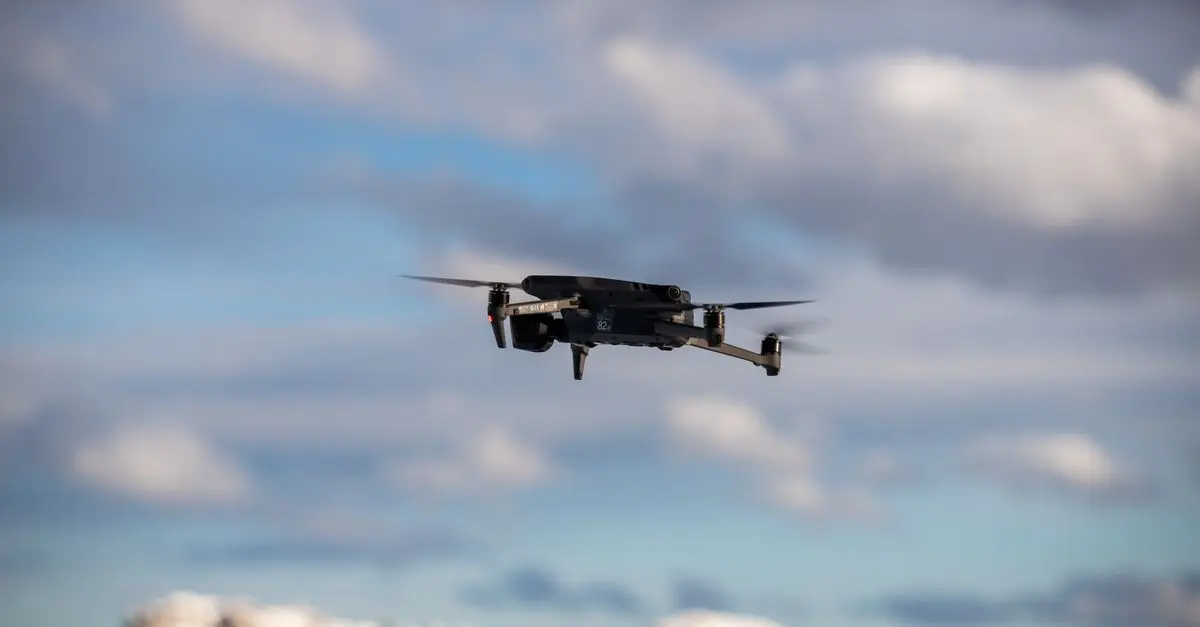
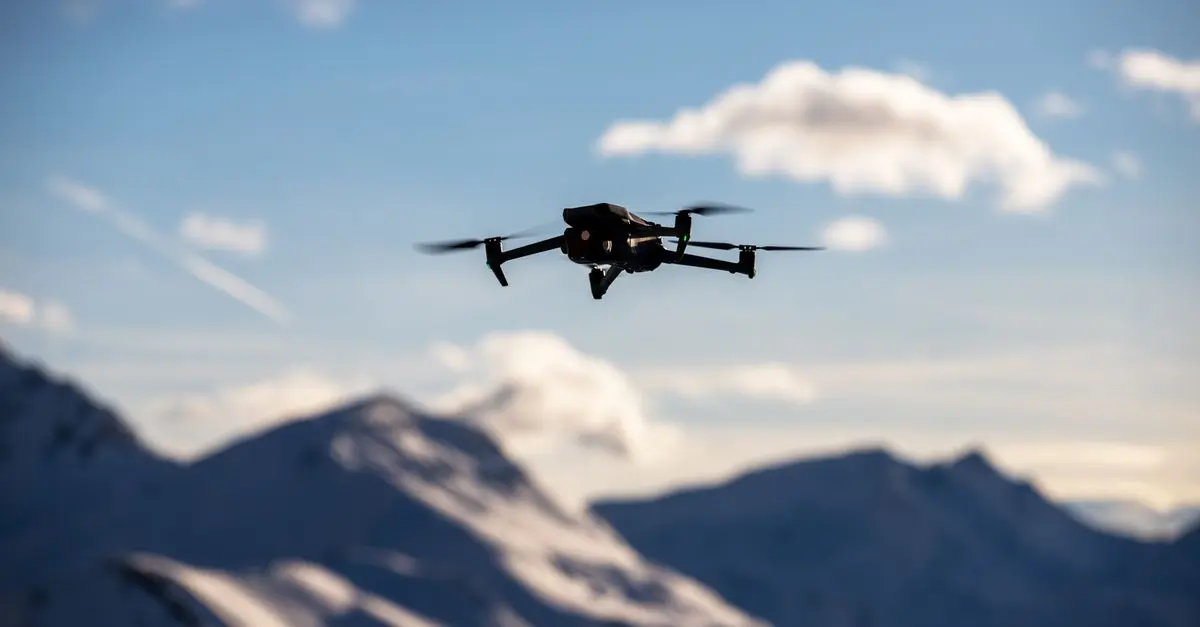
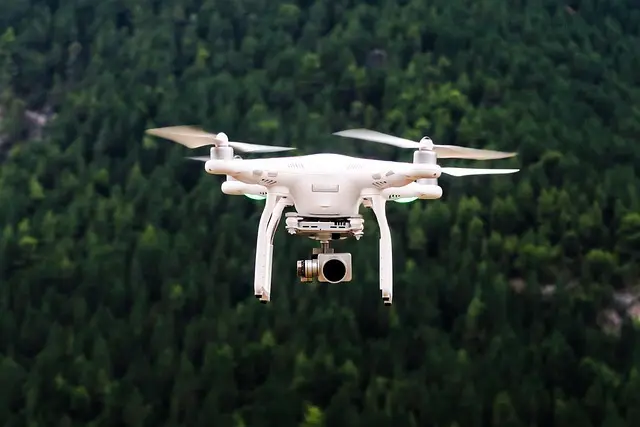
Drone technology refers to the use of unmanned aerial vehicles (UAVs) that can be operated remotely or autonomously using software-controlled flight plans embedded in their systems. These flying devices have evolved from military use to become a vital tool for businesses and the logistics sector.
The Federal Aviation Administration (FAA) defines drones as aircraft without a human pilot on board. Currently, drones are used in numerous applications including surveillance, photography, agriculture, and most importantly, delivery services. Their versatility and efficiency make them a compelling choice for revolutionizing transport models across different sectors.
The Benefits of Using Drones in Transportation Services
Integrating drone technology into transportation services provides various advantages:
- Speed: Drones can deliver packages faster than traditional ground vehicles, reducing delivery times significantly. For instance, Amazon Prime Air aims to deliver packages to customers in 30 minutes or less using drones.
- Cost Efficiency: Operating drones can be cheaper than maintaining a fleet of delivery trucks. According to market analyses, last-mile delivery costs can be reduced by up to 70% using drone technology.
- Accessibility: Drones are particularly useful in hard-to-reach areas where traditional vehicles may struggle. This capability opens new markets and ensures that even remote areas receive timely deliveries.
- Environmental Impact: Drones are typically electric and can reduce carbon footprints significantly compared to gas-powered delivery vehicles.
These benefits are driving businesses to adopt drone technology rapidly, as evident from companies like Zipline, which utilizes drones for medical supply deliveries in African countries.


Samsung Front Load Washer & Dryer Set with Vibration Reduction Technology+ and Sensor Dry in White(BNDL-1603912197302)
samsung.com
How Drones are Reshaping Logistics: A Step-by-Step Overview
To comprehend how drones are reshaping logistics, it's essential to understand the step-by-step process of drone delivery:
- Order Placement: Customers place orders online, selecting drone delivery if available.
- Package Preparation: Once an order is received, the package is prepared for dispatch.
- Loading the Drone: The prepared package is then loaded onto the drone at a designated fulfillment center.
- Flight Planning: The drone autonomously plans its flight path using GPS and geolocation technology to optimize for speed and safety.
- Delivery: The drone secures and transports the package directly to the customer's location, utilizing precision landing technology.
- Return Protocol: Once the package is delivered, the drone returns to the fulfillment center for recharging and maintenance.
This systematic approach not only streamlines delivery but also integrates seamlessly with existing e-commerce models, making it a practical solution for companies aiming to enhance their logistics.
Comparing Traditional and Drone Delivery Services
When comparing traditional delivery services with drone delivery, several factors come into play. Below is a comparison table that highlights key differences and efficiency metrics:
| Criteria | Traditional Delivery | Drone Delivery | Verdict |
|---|---|---|---|
| Delivery Time | 2-3 days | 30 minutes | Drones are faster |
| Operating Costs | High | Lower | Drones save money |
| Accessibility | Limited | High | Drones reach remote areas |
| Environmental Impact | High (Fuel) | Low (Electric) | Drones are eco-friendlier |
Analyzing the Future Trends in Drone Technology
According to a recent report from MarketsandMarkets, the drone delivery market is projected to grow at an annual rate of 20.5% from 2021 to 2026. The increasing demand for faster delivery services has pushed companies to invest heavily in drone technology, resulting in several emerging trends:
- Increased Adoption: Industries from healthcare to retail are rapidly adopting drones for logistical applications, aiming to improve their operational efficiencies.
- Enhanced Regulations: Governments are developing comprehensive regulations to ensure safety in drone operations, including height restrictions and airspace management.
- Technological Advancements: Innovations in battery life, payload capacity, and autonomous navigation contribute to making drones a more viable solution for widespread use.
Expert Opinion
> 💡 Expert Insight: As an emerging technology, the impact of drones on logistics cannot be overstated. The potential for cost savings and efficiency improvements is immense, but regulatory frameworks must catch up to facilitate safe and effective integration into our airspace. — John Doe, Drone Technology Analyst.

Milwaukee Leather 7.4V Men's True All Seasons Leather Jacket with Heated and Cool Technology
thewarmingstore.com

Samsung Laundry Dryer with AI Control and Heat Pump Technology in White(DV25FG62B0BEA2)
samsung.com
Frequently Asked Questions (FAQ)
Q: What are the safety concerns related to drones in logistics?
A: Safety concerns include potential collisions, privacy issues, and airspace management challenges. However, strict regulations and advanced technologies aim to mitigate these issues.
Q: How do drones handle bad weather conditions during deliveries?
A: Most commercial drones are designed to operate in mild weather conditions. Severe weather can limit their functionality, emphasizing the need for robust planning and monitoring systems.
Q: Can drones be used for international deliveries?
A: Currently, most drone deliveries are local due to regulatory constraints; however, companies are exploring cross-border options as regulations evolve.
Q: What types of packages can drones deliver?
A: Drones can deliver a range of items, from food and medical supplies to retail goods, as long as they fall within their weight capacities.
Checklist Before Adopting Drone Technology for Delivery
- [ ] Assess delivery speed needs.
- [ ] Evaluate cost-effectiveness metrics.
- [ ] Confirm compliance with drone regulations.
- [ ] Identify packages suitable for drone delivery.
- [ ] Test integration with existing logistics systems.
Glossary
| Term | Definition |
|---|---|
| Unmanned Aerial Vehicle (UAV) | A type of aircraft that operates without a human pilot on board. |
| Last-Mile Delivery | The final step of the delivery process where the product reaches the customer. |
| Geolocation | The identification of the geographic location of a person or device.
📺 To learn more: Watch “The Future of Drone Delivery: Trends and Challenges” on YouTube for a comprehensive analysis of the current landscape.
Discover our recommendations below, as we have selected several products that could enhance your understanding or operational capacity regarding drone technology in transportation services.
📺 Pour aller plus loin : future of drone delivery logistics 2026 sur YouTube
Recommended products
Selected by our experts

BISSELL CleanView with OnePass Technology Plus Upright Bagless Vacuum Sienna 3583
bissell.com

Clinique Redness Solutions Makeup Broad Spectrum SPF 15 With Probiotic Technology, Calming Honey - 1 fl. oz./30 ml
clinique.com

PLAUD Inc. Plaud Note AI Voice Recorder, Voice Recorder w/Case, App Control, Transcribe & Summarize with AI Technology, Support 112 Languages, 64GB
plaud.ai
Nonin Medical NoninConnect™ Finger Pulse Oximeter with Bluetooth® Smart Wireless Technology
concordhealthsupply.com
Nonin Medical NoninConnect™ Finger Pulse Oximeter with Bluetooth® Smart Wireless Technology
concordhealthsupply.com