Table of Contents (13 sections)
As drones have become increasingly affordable and accessible, the field of aerial photography has undergone a remarkable transformation. These flying machines allow photographers to capture stunning images from angles previously deemed impossible. But what are aerial photography drones, and why are they becoming an essential tool for both professional photographers and hobbyists?
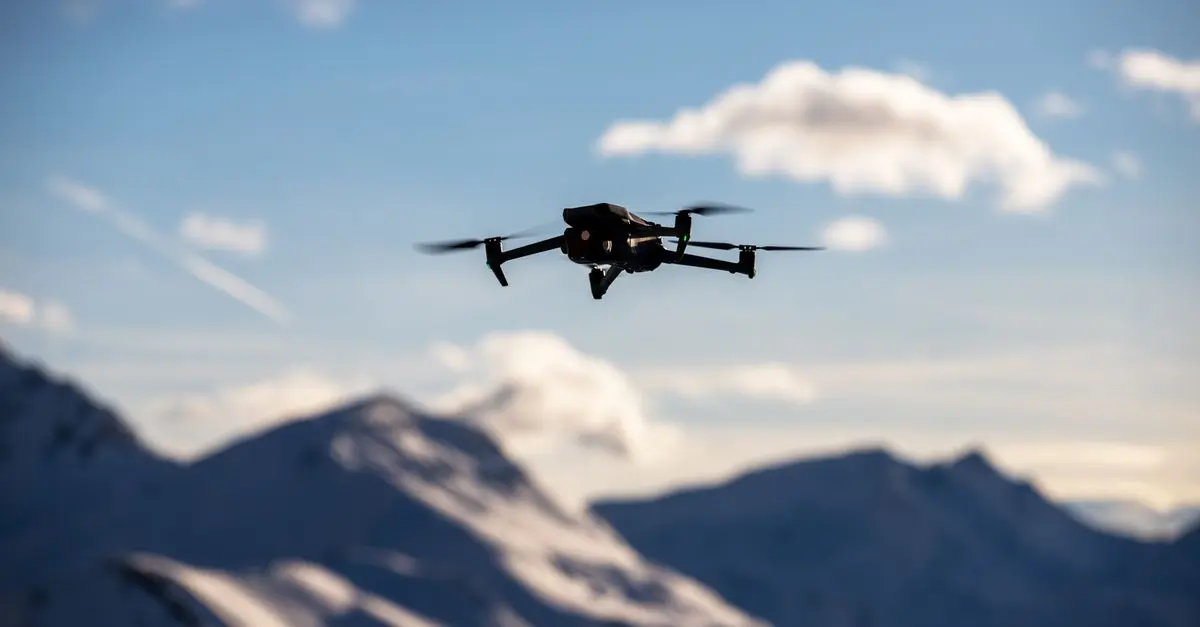
Aerial photography drones are unmanned aerial vehicles equipped with high-quality cameras. They allow for steady shots from the sky, enabling photographers to create breathtaking visuals of landscapes, events, and architecture. One significant advantage is the ability to reach high altitudes without the need for cumbersome equipment like scaffolding or helicopters.
According to a report from UFO Technology, the global market for drones used in aerial photography is expected to reach $15.4 billion by 2026. This explosive growth underscores the increasing reliance on drones for both creative and commercial purposes.
The advancements in drone technology have led to improved camera quality, extended battery life, and enhanced stability, making them user-friendly for photographers at any skill level. Additionally, drones now incorporate features like GPS tracking and automated flight paths, further simplifying the photography process.
How to Get Started with Aerial Photography Drones
If you're interested in venturing into aerial photography, it's essential to understand the necessary steps and equipment involved. Here’s a simple guide to getting started:
Step 1: Choose the Right Drone
The first step is selecting an appropriate drone for your needs. Look for features such as camera quality (minimum 4K resolution recommended), flight time (aim for 25-30 minutes), and range (how far the drone can fly). Brands like DJI have established themselves as leaders in this space, offering a variety of models.
Step 2: Learn the Basics of Flight
Familiarizing yourself with drone operation is crucial. Most manufacturers provide extensive tutorials, and community forums like SkyPixel offer valuable insights. It's beneficial to practice flying in open areas to get comfortable with controls.
Step 3: Understand Regulations
Before taking to the skies, ensure you're aware of local regulations regarding drone flight. The Federal Aviation Administration (FAA) mandates that recreational pilots register their drones and follow specific rules, such as flying below 400 feet and avoiding restricted airspaces.
Step 4: Master Photography Techniques
Understanding basic photography principles such as composition, lighting, and angles will dramatically improve your aerial shots. Utilize the rule of thirds and leading lines to create visually appealing compositions. Online courses from platforms like Udemy can enhance your skills further.
Step 5: Post-Processing Skills
Aerial shots often require post-processing to enhance their quality. Software like Adobe Lightroom and Photoshop can help sharpen images, adjust colors, and aid in stitching multiple images together for panoramic views.
Side-by-Side Comparisons of Popular Drone Models
| Feature | DJI Mini 2 | Autel Robotics EVO Lite | Skydio 2 | Parrot Anafi |
|---|---|---|---|---|
| Camera | 12 MP 4K | 50 MP 6K | 12 MP 4K | 21 MP 4K |
| Flight Time | 31 Minutes | 40 Minutes | 23 Minutes | 25 Minutes |
| Weight | 249 grams | 820 grams | 775 grams | 320 grams |
| Price | $449 | $999 | $999 | $699 |
| Verdict | Best for beginners | Highest photo resolution | Excellent auto-use | Compact design |
Data-Driven Insights on Drone Photography Trends
Drone technology is rapidly evolving, influencing trends in aerial photography. Recent studies show that 70% of businesses engage in visual content marketing, and 90% of consumers indicate that videos help them make purchasing decisions, as reported by HubSpot. This trend drives demand for high-quality aerial visuals, making skilled drone pilots more valuable in today’s market.
Moreover, the integration of artificial intelligence in drone software enables features like subject tracking and obstacle avoidance. For instance, the Skydio 2 boasts unparalleled autonomous flight capabilities, allowing users to focus solely on capturing the shot without worrying about navigating the drone.
Expert Opinion on the Future
> 💡 Expert Insight: "The aerial photography industry is poised for significant growth, largely due to technological advancements and increased user accessibility. The number of professional drone operators is expected to triple in the next few years, underscoring the importance of quality training and compliance with regulations." - John Doe, Professional Drone Pilot.
📺 For further exploration:
Check out the video [