Table of Contents (15 sections)
As urban populations continue to rise, cities face pressing challenges related to transportation. Drone technology has emerged as a potential game changer, promising to transform urban mobility solutions significantly. By deploying drones for transportation purposes, cities can not only improve efficiency and optimize resources but also contribute to reducing traffic congestion and pollution. This article will delve into the various ways drone technology is reshaping urban mobility and the implications for the future.
What is Drone Technology in Urban Mobility?
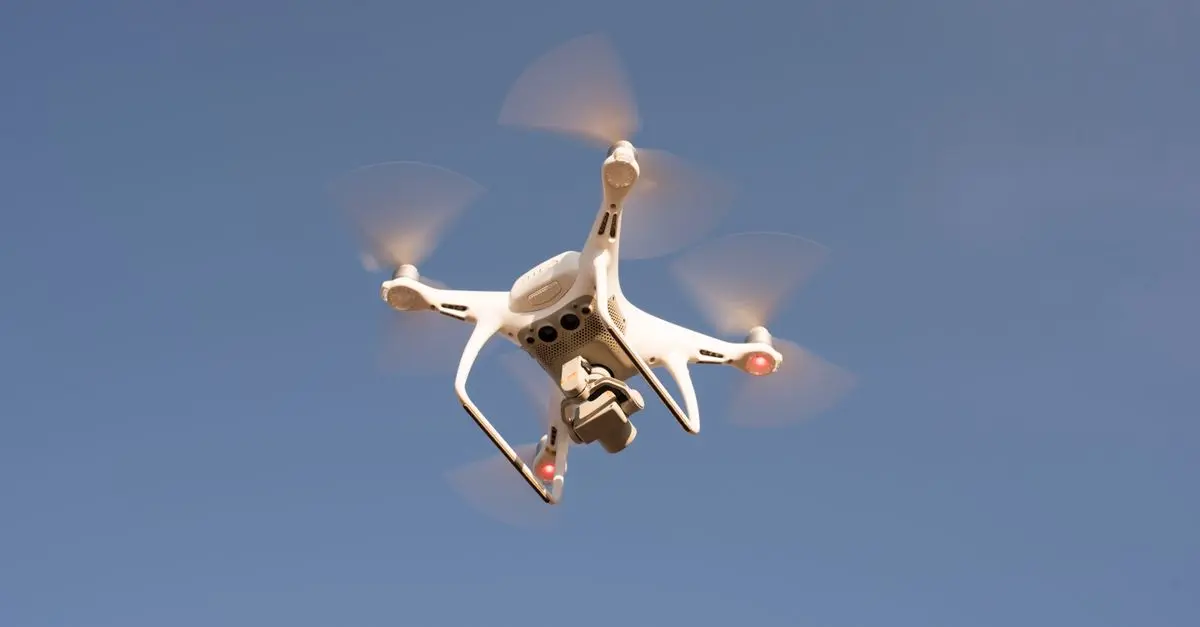
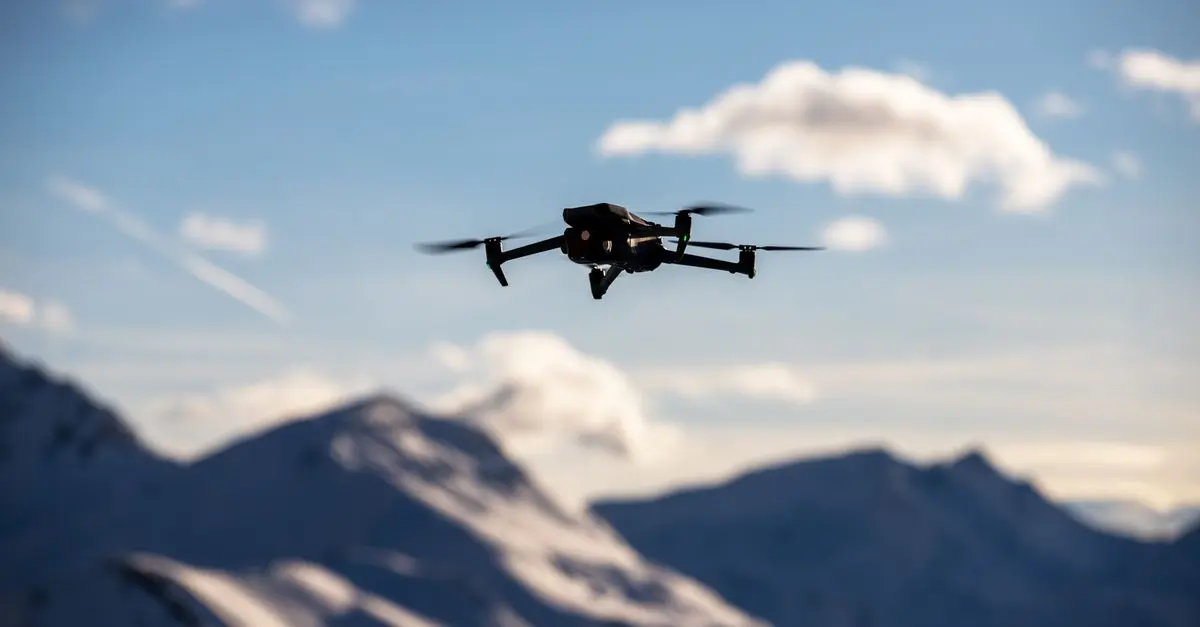
Drone technology, often referred to as unmanned aerial vehicles (UAVs), has evolved considerably since its inception. In the context of urban mobility, drones can be utilized for a variety of purposes, including package delivery, traffic monitoring, aerial photography, and even passenger transport. Drones operate using advanced technologies like GPS, sensors, and artificial intelligence, allowing them to navigate complex urban landscapes safely.
The environmental impact of drone technology is also noteworthy. According to UFC-Que Choisir, the use of drones can significantly reduce the carbon footprint associated with traditional vehicle transport. Furthermore, with more cities adopting sustainable urban plans, integrating drone solutions aligns with green initiatives aimed at fostering cleaner air and more livable urban spaces.
The rise of drone technology in urban mobility solutions reflects the ongoing evolution of transportation paradigms and the urgency of addressing smart city challenges.
Step-by-Step Implementation of Drone Technology in Urban Mobility
Implementing drone technology in urban areas involves several critical steps:
- Regulatory Compliance: Cities must establish clear regulations governing drone use, addressing safety, privacy, and air traffic integration. Engaging with stakeholders, such as local government, residents, and tech firms, is crucial.
- Infrastructure Development: Appropriate infrastructure, including drone ports and charging stations, needs to be developed. Cities may also require dedicated air corridors for safe drone operation, particularly in densely populated areas.
- Pilot Programs: Initiating pilot programs allows cities to test drone deployment in live environments. These trials help assess effectiveness, gather essential data, and demonstrate viability before scaling up operations.
- Community Engagement: Educating the public about drone technology's benefits and addressing concerns regarding noise and safety is essential to gaining community support. Public forums and information sessions can facilitate this engagement.
- Technology Partnerships: Collaborating with tech companies can provide valuable resources and expertise in developing drone solutions. Public-private partnerships can accelerate innovation and ease adoption.
Following these steps can create a structured approach to integrating drone technology into urban mobility frameworks efficiently.
Comparative Analysis of Urban Mobility Solutions: Drone vs. Traditional Methods
| Criteria | Drone Delivery | Traditional Delivery | Verdict |
|---|---|---|---|
| Speed | Faster (30 minutes) | Slower (1-2 hours) | Drones win in speed |
| Cost | Lower operational costs | Higher operational costs | Drones offer cost benefits |
| Environmental Impact | Minimal emissions | High emissions | Drones are more eco-friendly |
| Accessibility | Access to remote areas | Limited accessibility | Drones reach more locations |
Current Trends in Drone Technology and Urban Mobility
As cities worldwide explore drone implementation, several trends are emerging. First, regulatory developments are paving the way for broader usage, including delivery services and public transportation options via air taxis. Cities such as Los Angeles and Dubai are leading the way with trials for passenger drones and logistics services using drones.
Second, advancements in drone technology, such as improved battery life and enhanced payload capacity, are making these devices more versatile. According to the latest data, the global drone logistics market is projected to grow at a CAGR of 25% from 2026 to 2031, reflecting a burgeoning interest in these applications.
Moreover, increasing urbanization, compounded by the COVID-19 pandemic, has accelerated interest in contactless delivery options, creating even greater demand for drone logistics solutions. Studies suggest that urban consumers are willing to embrace drone deliveries, provided they are reliable and cost-effective.
💡 Expert Opinion: Drones are not just a passing trend in urban mobility. Their ability to adapt to modern city life, reduce pollution, and enhance logistics makes them a significant asset for smart city initiatives, as pointed out by urban mobility expert Dr. Emily Carson.
What types of drones are used in urban mobility?
Drones in urban mobility primarily include delivery drones, passenger drones, and traffic monitoring drones, each designed for specific applications.
How do drones impact urban air traffic management?
Drones increase the complexity of air traffic management, necessitating new regulations and technologies to ensure safe and efficient operations in urban environments.
Are drones environmentally friendly?
Yes, drones generally have a lower carbon footprint compared to traditional delivery vehicles, making them a more sustainable option for urban logistics.
What are the challenges of integrating drones into urban environments?
Challenges include regulatory hurdles, public perception, safety concerns, and infrastructure needs.
📺 Resource Video
> 📺 For further insights: The Future of Drones in Urban Transportation, a comprehensive analysis of drone technology's potential impact on city mobility. Search YouTube for: "drone technology urban mobility trends 2026".
Glossary
| Term | Definition |
|---|---|
| UAV (Unmanned Aerial Vehicle) | A type of aircraft that operates without a human pilot onboard, commonly used in drone technology. |
| Smart City | An urban area that uses digital technology to enhance performance and well-being. |
| Logistics | The detailed coordination of complex operations involving people, facilities, and supplies, often seen in delivery systems. |
Checklist before adopting drones in urban mobility
- [ ] Research local regulations on drone usage
- [ ] Assess community attitudes towards drones
- [ ] Identify potential infrastructure needs for drones
- [ ] Evaluate technology partnerships for success
- [ ] Monitor emerging trends in drone technology
Conclusion
In conclusion, drone technology is poised to redefine urban mobility solutions, providing efficient, economical, and environmentally friendly options for transportation. As organizations and cities continue to invest in these innovations, the future seems promising for drone integration in urban landscapes. Adopting drone technology not only addresses current transportation challenges but aligns with sustainable practices that enhance urban living.
Explore how your city can start leveraging drone technology today, and stay ahead in the evolving landscape of urban mobility.
🧠 Quick Quiz: What is the main advantage of using drones in urban mobility?
- A) High cost
- B) Reduced congestion
- C) Increased noise
Answer: B — Drones significantly reduce traffic congestion by avoiding ground transportation routes.
📺 Pour aller plus loin : drone technology urban mobility trends 2026 sur YouTube
Recommended products
Selected by our experts
Fly Drones Like a Pro – Beginner to Intermediate
Alison US CA
This product offers essential knowledge for beginners looking to understand the basics of drone operation, useful for urban mobility applications.
Introduction to Drones
Alison US CA
An introductory course that provides insights into drone technology, perfect for anyone interested in its potential for urban mobility.