Table of Contents (16 sections)
Drones have rapidly become an essential tool in the realm of infrastructure inspection. With advancements in technology, these aerial vehicles offer unparalleled advantages in terms of efficiency, safety, and detail. This article delves into the various ways drones enhance infrastructure inspection processes, providing a comprehensive overview of their benefits and potential drawbacks.
What Are Drones and Their Role in Infrastructure Inspection?
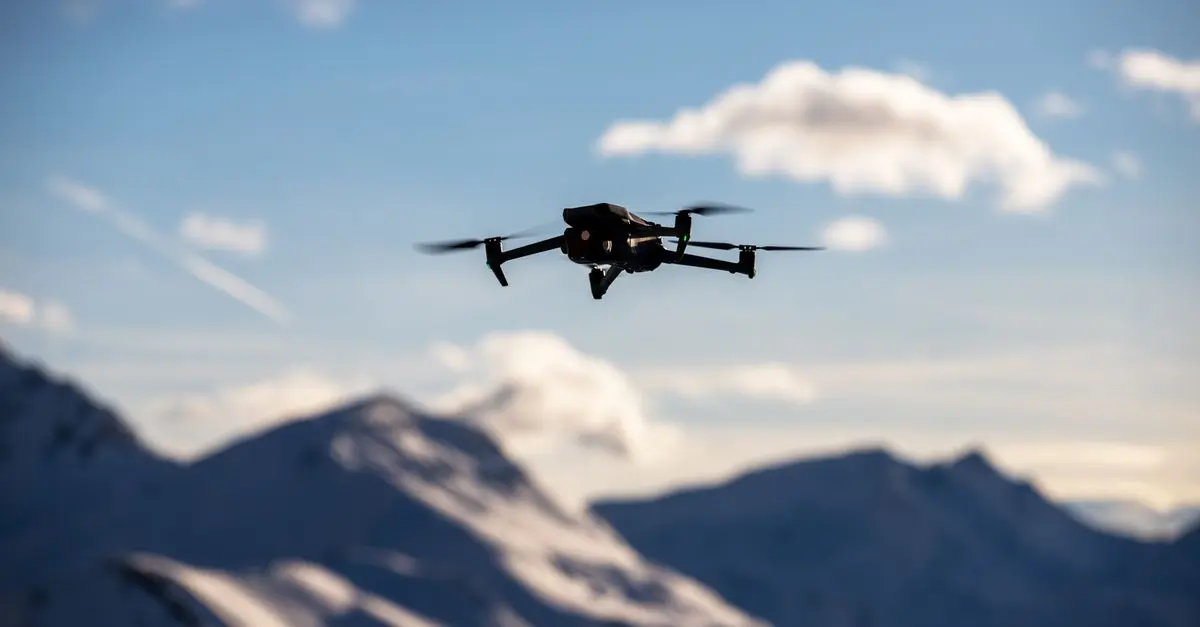
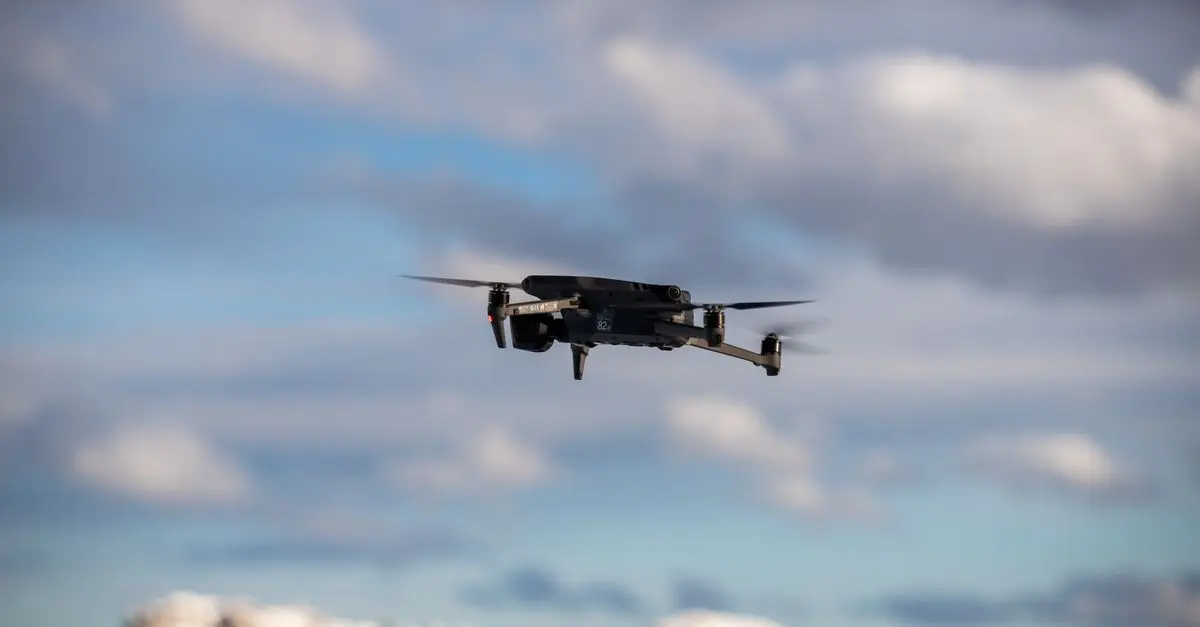
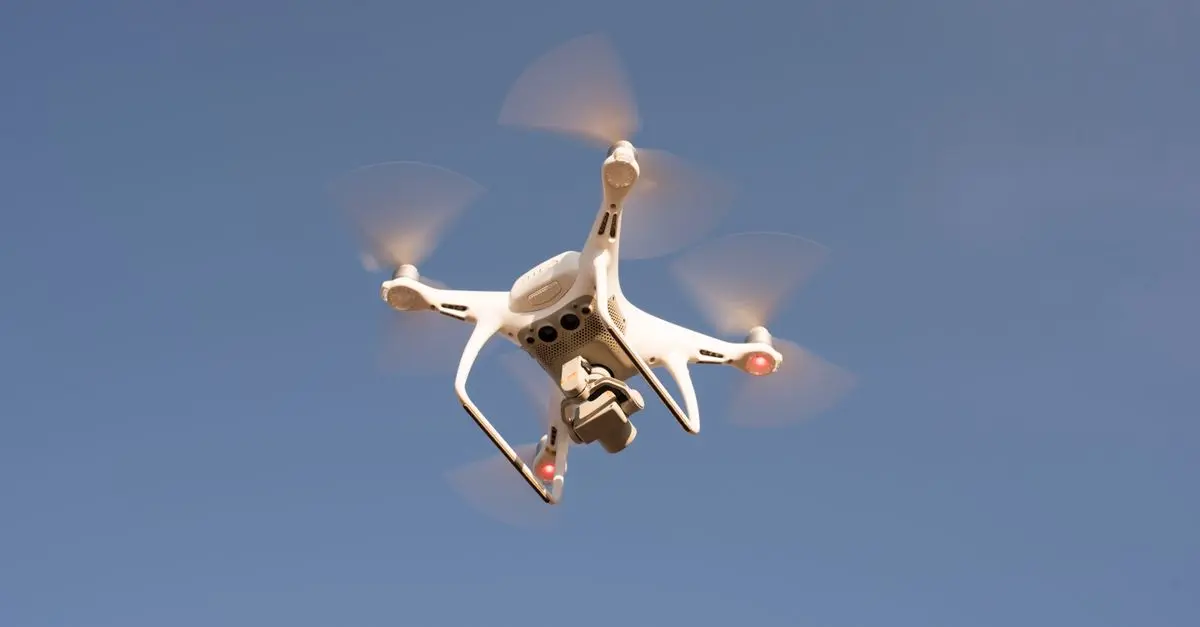
Drones, also known as unmanned aerial vehicles (UAVs), are aircraft piloted remotely or autonomously using software-driven flight plans embedded in the drones’ systems. Their role in infrastructure inspection has gained traction as they can access hard-to-reach areas that might pose safety risks to human inspectors. For instance, drones can easily evaluate the condition of bridge cables or inspect the roofs of tall buildings without the need for scaffolding or ladders.
Benefits of Drones in Infrastructure Inspection
- Efficiency: Drones can cover expansive areas in a fraction of the time it would take traditional inspection methods. This is especially crucial for large infrastructures, such as pipelines and power lines, where manual inspections can be time-consuming and labor-intensive.
- Safety: By utilizing drones, inspectors can avoid dangerous situations such as climbing high structures or navigating hazardous sites. This not only protects personnel but also minimizes liability for companies, as fewer accidents can lead to a safer working environment.
- Detailed Data Collection: Drones are equipped with high-resolution cameras and advanced sensors, including thermal imaging capabilities. This allows for the collection of detailed imagery and data, such as temperature variances in infrastructures that may indicate wear or malfunction.
How to Conduct an Infrastructure Inspection with Drones
Step-by-Step Process
Conducting an infrastructure inspection using drones typically involves the following steps:
- Planning the Flight Path: Prior to deploying a drone, inspectors need to design a flight path that covers the entire inspection area, ensuring no part is overlooked. This is usually done using specialized software that incorporates GPS data.
- Preparing the Drone: It’s essential to check the drone’s battery life, camera function, and software updates. Ensuring that everything is operational before the inspection can prevent delays.
- Conducting the Inspection: Once airborne, the drone follows the pre-designated path, capturing images and data. Observers on the ground can monitor the flight in real-time, making adjustments as needed.
- Data Analysis: After the drone completes its flight, the collected data is analyzed. Professionals can use specialized software to assess the condition of the infrastructure based on the imagery acquired.
For those looking to start drone inspections, consider investing in beginner-friendly drones that have built-in GPS and image stabilization features. Additionally, gaining certification for drone operation can be beneficial for legal reasons and safety standards.
Comparative Analysis: Drones vs. Traditional Inspection Methods
Here’s a look at how drones stack up against traditional inspection methods:
| Criteria | Drones | Traditional Methods | Verdict |
|---|---|---|---|
| Safety | Minimal risk, avoids heights | Higher risk for inspectors | Drones |
| Time Efficiency | Fast coverage | Time-consuming | Drones |
| Cost | Lower long-term costs | Higher due to manpower | Drones |
| Data Quality | High-quality imaging | Limited detail | Drones |
Data-Driven Trends in Drone Usage for Inspections
As the technology surrounding drones continues to evolve, several trends are emerging in infrastructure inspections. According to a recent study by the Federal Aviation Administration (FAA), as of 2025, drone usage in the U.S. increased by 35% in sectors like construction and maintenance, emphasizing a clear shift towards embracing technological solutions for traditional challenges.
Moreover, a survey conducted by PWC found that up to 65% of construction and engineering professionals reported a significant decrease in inspection times via drone technology compared to conventional methods. This data underscored not only the efficiency but also the growing trust in drone capabilities for precise inspections.
What types of infrastructure can drones inspect?
Drones are versatile and can inspect various infrastructures, including bridges, roads, pipelines, buildings, and power lines.
Are drones safe to use for inspections?
Yes, drones enhance safety by minimizing human involvement in dangerous situations, such as climbing heights or accessing hazardous areas.
Do you need certification to operate a drone for inspections?
Yes, in many countries, operators must have a specific certification to ensure safety and regulatory compliance.
Can drones collect real-time data during inspections?
Yes, many drones equipped with advanced sensors can provide real-time data and imagery during inspections, allowing for immediate analysis and decision-making.
📺 For further exploration:
Search for videos on YouTube with keywords such as "drone infrastructure inspection 2026" to find in-depth tutorials and demonstrations.
Glossary
| Term | Definition |
|---|---|
| Drone | An unmanned aerial vehicle, controlled remotely or autonomously. |
| Inspection | The process of examining a structure to assess its condition or quality. |
| UAV | Unmanned Aerial Vehicle, a type of drone used for various applications. |
Checklist before conducting a drone inspection
- [ ] Verify drone functionality
- [ ] Design flight path
- [ ] Ensure compliance with local regulations
- [ ] Prepare safety equipment
- [ ] Conduct pre-flight checks
- [ ] Prepare data analysis software
In conclusion, the integration of drones in infrastructure inspection not only streamlines the process but also promotes safety and accuracy. As technology continues to advance, embracing these tools will likely become indispensable in maintaining our infrastructures efficiently. For companies looking to optimize their inspection processes, it’s time to consider the benefits that drones can offer.