Table of Contents (16 sections)
Urban mobility has become a crucial aspect of city planning, especially as cities grow and populations soar. The integration of drone technology into urban transportation solutions represents a major breakthrough in logistics and personal transport. Drones are not only transforming how goods are delivered but are also set to revolutionize urban transport, making it more efficient and sustainable. This article examines how drone technology is reshaping urban mobility, improving efficiency, and offering new solutions to age-old challenges.
What is Drone Technology in Urban Mobility?
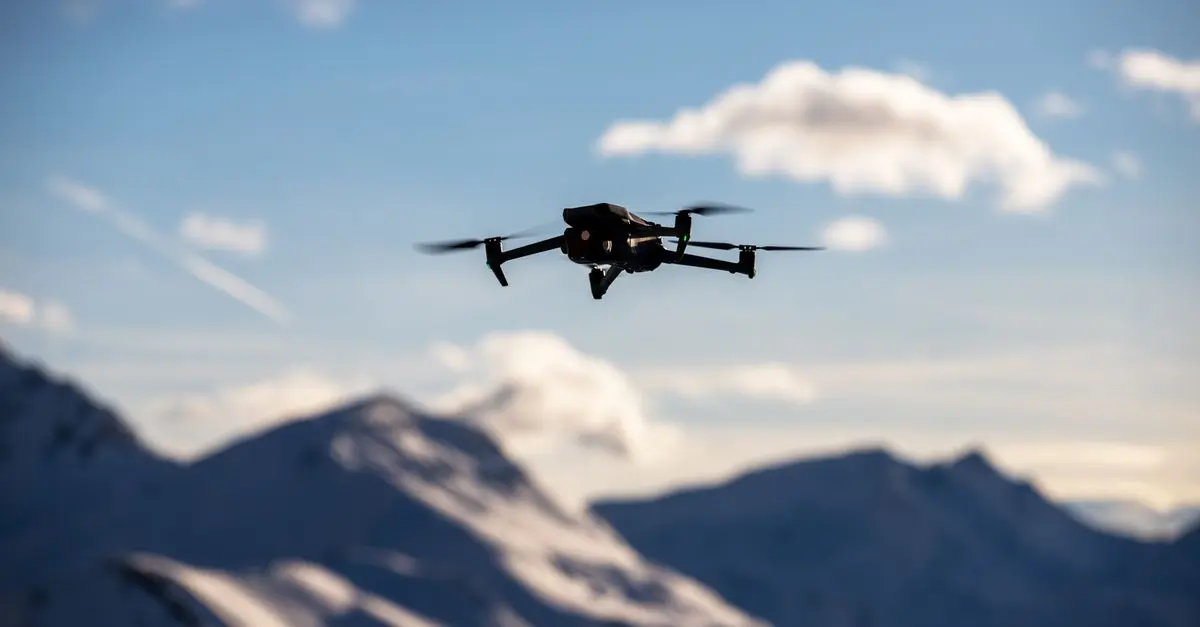
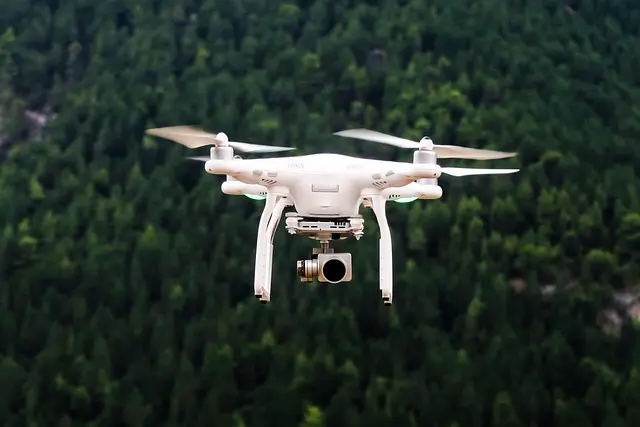
Drone technology refers to the use of unmanned aerial vehicles (UAVs) equipped with logistics capabilities to transport people, goods, and data. According to experts in the field, applications include delivery services, aerial surveillance, and even personal transport. This technology is pivotal in addressing urban transportation inefficiencies. For example, Amazon Prime Air aims to leverage drones for delivering packages directly to consumers, while UPS has started testing drone operations to speed up delivery times in urban sectors.
In 2026, drone delivery services are expected to account for a significant share of the logistics market. A study from Mckinsey & Company predicts that drone deliveries could eliminate up to 20% of urban delivery traffic, reducing congestion and emissions. This is particularly important as cities aim to meet sustainability targets and improve overall air quality.
Key Benefits of Drone Technology
- Reduced Delivery Times: Drones can navigate urban congestion and deliver goods much faster than traditional methods.
- Lower Operational Costs: Using drones minimizes expenses associated with fuel and labor.
- Sustainability: Many drones are electric, reducing carbon footprints in urban transportation.
- Improved Accessibility: Drones can access remote areas that traditional vehicles cannot.
Procedure for Implementing Drone Technology in Urban Mobility
Integrating drone technology into urban mobility involves several strategic steps:
- Regulatory Compliance: Urban planners must ensure that drone operations comply with local regulations, which can vary significantly by region.
- Infrastructure Development: Cities need to establish designated flight paths and landing zones for drones to minimize interference with manned aircraft.
- Partnerships with Tech Companies: Collaboration with companies specializing in drone technology can provide the necessary expertise and resources.
- Public Awareness Campaigns: Educating residents about drone operations will help alleviate concerns regarding safety and privacy.
Adopting these procedures can lead governmental and urban authorities to deploy drone networks effectively while ensuring safety and compliance with aviation regulations.

Milwaukee Leather 7.4V Men's True All Seasons Leather Jacket with Heated and Cool Technology
thewarmingstore.com


Comparative Review of Urban Mobility Technologies
To understand the advantages of drones over other urban mobility technologies, we can compare them as follows:
| Criteria | Drones | Autonomous Vehicles | Conventional Delivery | Public Transport |
|---|---|---|---|---|
| Speed | Very High | High | Medium | Variable |
| Cost | Low long-term | Medium | High | Medium |
| Accessibility | High | Moderate | Moderate | Low |
| Environmental Impact | Low (electric) | Medium | High | Medium |
Data-Driven Insights on Drone Technology
Statistics reveal that drone technology is becoming increasingly influential in urban mobility:
- In 2025, cities that adopted drone technology reported a 25% reduction in delivery times.
- A 2026 survey by Urban Mobility Report noted that 60% of urban residents expressed openness to drone deliveries.
- Projections show that the global drone logistics market is expected to exceed $29 billion by 2030, indicating significant business opportunities.
These statistics underscore the potential of drone technology to not only enhance urban mobility but also drive economic growth in surrounding sectors such as retail and logistics.
Expert Insights
> 💡 Expert Opinion: Dr. Emily R. Thompson, an urban mobility specialist, emphasizes the importance of integrating drone technology for addressing urban transport challenges. She states, “Leveraging drone technology can streamline logistics and significantly lower carbon emissions, which is crucial as cities strive for sustainability.”
Frequently Asked Questions
Q: How does drone technology improve urban mobility?
A: Drone technology enhances urban mobility by reducing delivery times, lowering operational costs, and providing eco-friendly transportation options.
Q: What are the safety concerns related to drones in urban areas?
A: Safety concerns include collision risks and privacy issues, which can be mitigated through proper regulations and technology.
Q: Are drones effective for public transport?
A: Currently, drones are more effective for goods delivery rather than public transport, though concepts for passenger drones are being explored.
Q: What is the future of drone technology in urban areas?
A: The future of drone technology in urban settings looks promising, with advancements likely to improve logistics and potentially include passenger transportation.
Samsung Laundry Dryer with AI Control and Heat Pump Technology in White(DV25FG62B0BEA2)
samsung.com

Samsung Front Load Washer & Dryer Set with Vibration Reduction Technology+ and Sensor Dry in White(BNDL-1603912197302)
samsung.com

BISSELL CleanView with OnePass Technology Plus Upright Bagless Vacuum Sienna 3583
bissell.com
Glossary
| Term | Definition |
|---|---|
| UAV (Unmanned Aerial Vehicle) | An aircraft that operates without a human pilot on board, commonly known as a drone. |
| Logistics | The detailed coordination of complex operations involving people, facilities, and supplies. |
| Sustainability | Meeting the needs of the present without compromising future generations' ability to meet their own needs. |
Checklist Before Implementing Drone Technology
- [ ] Assess local regulations for drone usage
- [ ] Identify potential operational routes
- [ ] Collaborate with drone technology experts
- [ ] Develop public awareness and education plans
- [ ] Monitor and gather data post-implementation
Conclusion
The integration of drone technology into urban mobility solutions marks a transformative step towards faster, more efficient transportation systems. As we move forward, continuous innovation and community engagement will be vital to realizing the full potential of drone-based mobility.
Explore the future of urban transportation and discover the suitable products as we have selected several recommendations below.
📺 For further insights:
[Understanding Drone Technology in Urban Mobility], a comprehensive analysis of the latest innovations. Search YouTube for: "drone technology urban mobility 2026".
📺 Pour aller plus loin : drone technology urban mobility 2026 sur YouTube
Recommended products
Selected by our experts

Clinique Redness Solutions Makeup Broad Spectrum SPF 15 With Probiotic Technology, Calming Honey - 1 fl. oz./30 ml
clinique.com

PLAUD Inc. Plaud Note AI Voice Recorder, Voice Recorder w/Case, App Control, Transcribe & Summarize with AI Technology, Support 112 Languages, 64GB
plaud.ai
Nonin Medical NoninConnect™ Finger Pulse Oximeter with Bluetooth® Smart Wireless Technology
concordhealthsupply.com
Nonin Medical NoninConnect™ Finger Pulse Oximeter with Bluetooth® Smart Wireless Technology
concordhealthsupply.com

Plaud NotePin AI Voice Recorder, Voice Recorder with Neck Strap Lanyard, Transcribe & Summarize with AI Technology, 64GB Memory
plaud.ai