Table of Contents (16 sections)
Unmanned Aerial Vehicles (UAVs), commonly known as drones, represent a significant technological advancement that has transformed various industries. Originally developed for military applications, UAV technology has rapidly evolved and is now widely adopted for recreational use, scientific research, agriculture, and delivery services. Understanding UAV technology is crucial for businesses and individuals looking to leverage its capabilities for a multitude of applications.
Drones operate without a human pilot on board, utilizing advanced technologies such as GPS, sensors, and onboard cameras. The continuous development of UAV technology has enhanced their functionality, making them safer, more reliable, and capable of performing complex tasks. This article provides a comprehensive guide to UAV technology, exploring its key components, applications, and future trends.
Key Components of UAVs
Structure and Design
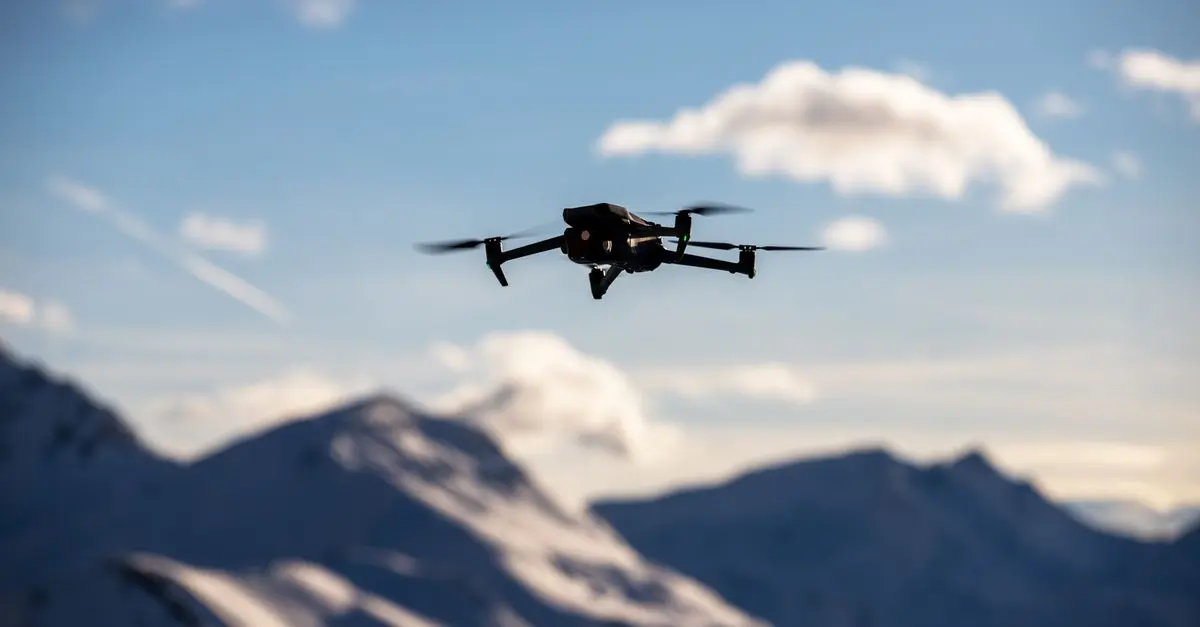
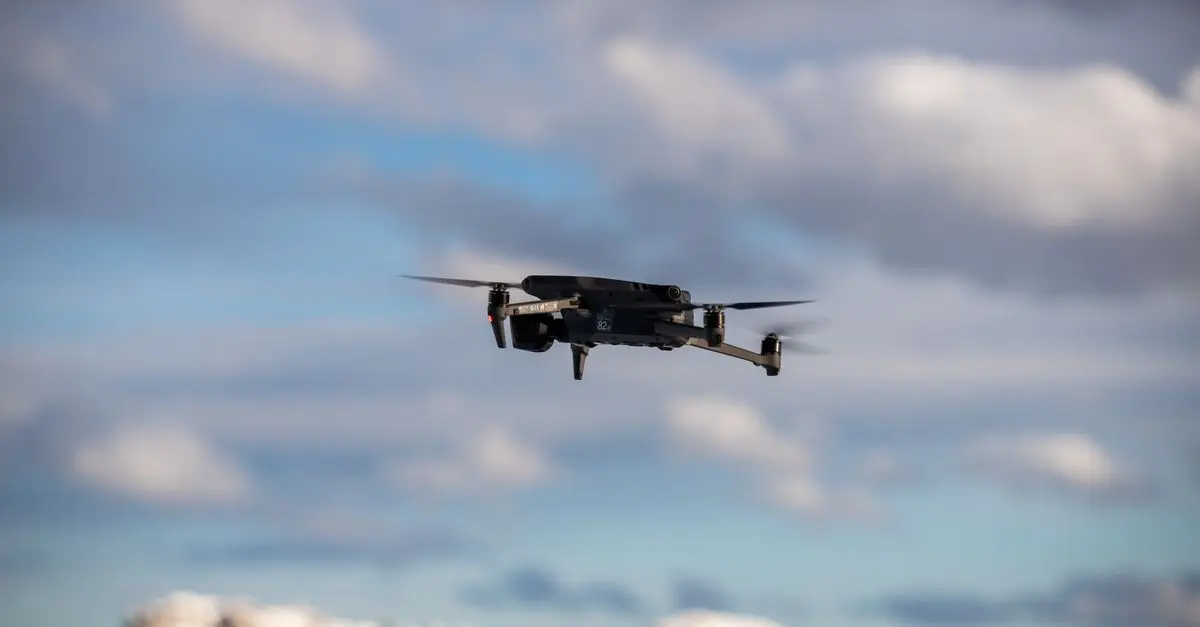
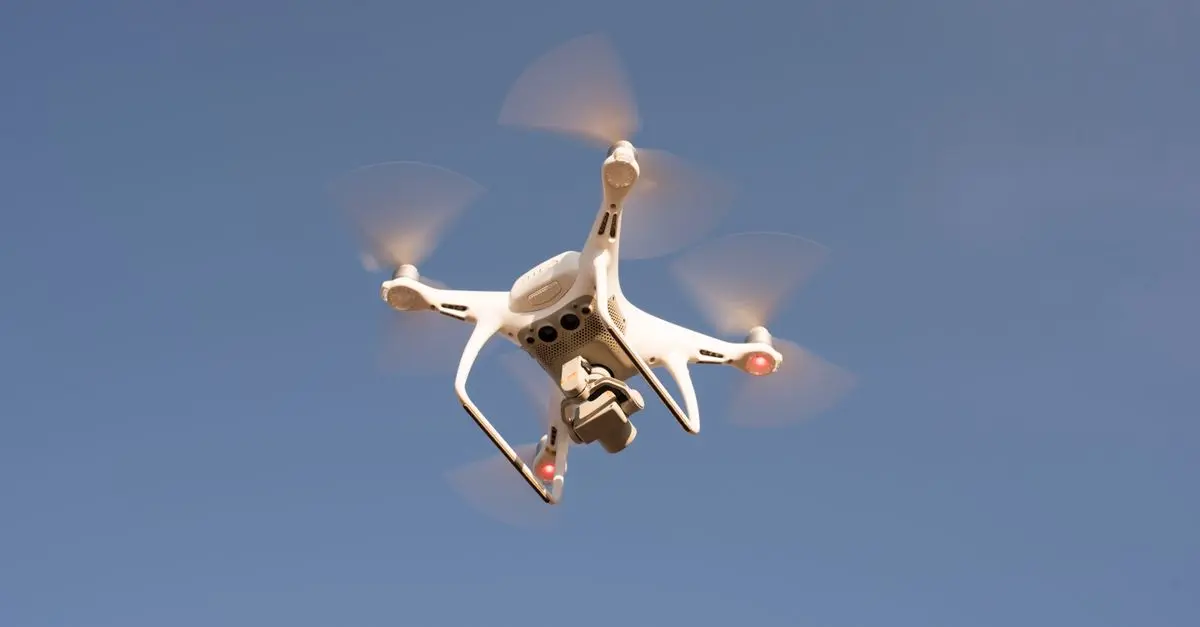
UAVs come in various shapes and sizes, primarily categorized into fixed-wing and multi-rotor designs. Fixed-wing drones are ideal for long-distance missions due to their aerodynamic structure, granting them extended flight times. Conversely, multi-rotor drones are more agile and can hover, making them suitable for tasks that require precision, such as aerial photography and surveying.
Power and Propulsion
Most UAVs are powered by electric motors or combustion engines. Electric-powered drones utilize lithium-polymer batteries that allow for a quieter operation, while combustion engines are often employed in larger drones designed for heavier payloads. Innovations in battery technology are continually enhancing flight durations and reducing charging times, contributing to the greater efficiency of UAVs.
Control Systems
The control systems in UAVs offer significant advancements, allowing for automated flight paths and real-time adjustments. Many drones are equipped with autopilot systems, enabling them to navigate predetermined routes while being monitored remotely by an operator. Additionally, the integration of redundancy systems ensures safer operations, with backup components that activate if the primary systems fail.
Applications of UAV Technology
Agriculture
In agriculture, UAVs have revolutionized how farmers monitor and manage their crops. Equipped with multispectral cameras, drones can assess crop health, identify pest infestations, and optimize irrigation methods. For instance, according to a study by UAV-IQ (2025), farmers using UAV technology reported a 10-15% increase in crop yields due to more efficient resource management.
Infrastructure Inspection
Drones play a critical role in inspecting infrastructure, such as bridges and power lines, which often require time-consuming and expensive manual inspections. UAVs can access hard-to-reach areas, collect visual data, and perform thermal imaging to detect structural weaknesses. This rapid evaluation enhances safety and reduces the downtime associated with traditional inspection methods.
Delivery Services
In recent years, major companies have explored drone delivery systems. Enterprises like Amazon and Google are conducting trials for using UAVs to deliver goods directly to consumers. This technology promises faster delivery times and reduced operational costs. By 2026, it's predicted that drone deliveries could handle up to 20% of all shipments, according to market analyses.

PLAUD Inc. Plaud Note AI Voice Recorder, Voice Recorder w/Case, App Control, Transcribe & Summarize with AI Technology, Support 112 Languages, 64GB
plaud.ai

Clinique Redness Solutions Makeup Broad Spectrum SPF 15 With Probiotic Technology, Calming Honey - 1 fl. oz./30 ml
clinique.com

BISSELL CleanView with OnePass Technology Plus Upright Bagless Vacuum Sienna 3583
bissell.com
Comparisons of UAV Types
In choosing the right UAV, it’s essential to understand the various types available for specific applications. Here’s a comparative overview:
| Type | Flight Time | Payload Capacity | Best Use | Price Range |
|---|---|---|---|---|
| Fixed-Wing | 45+ minutes | Up to 5 kg | Long-range surveying | $2000-$5000 |
| Multi-Rotor | 20-30 minutes | Up to 2 kg | Photography, inspections | $500-$3000 |
| Hybrid | 30-60 minutes | Up to 8 kg | Versatile applications | $3000-$7000 |
| VTOL | 30-40 minutes | Up to 3 kg | Urban areas | $1000-$4000 |
Trends and Future of UAV Technology
The future of UAV technology looks promising as advancements continue to evolve. Major trends include:
- Automation and AI: Enhanced AI capabilities are enabling UAVs to perform more complex tasks autonomously, reducing human oversight and errors.
- Regulatory Developments: As UAV usage increases, regulatory bodies like the FAA are establishing frameworks to ensure safety and ethical use, paving the way for commercial airspace integration.
- Enhanced Security Features: Security concerns have prompted the development of technologies that safeguard against unauthorized access and protect user data.
These trends illustrate how UAV technology is not merely a passing novelty but an essential tool shaping the future of various industries and everyday life.
Expert Opinion
> 💡 Expert Insight: It is crucial for businesses considering UAV technology to understand their specific needs and choose the right type of drone. Businesses that have adopted UAV technology have reported not only cost savings but also increased operational efficiency. According to industry reports, companies utilizing drone technology for construction and infrastructure projects have seen time reductions of up to 30% in project timelines.
- What is the difference between fixed-wing and multi-rotor UAVs?
Fixed-wing UAVs are efficient for long-distance flights, while multi-rotor UAVs are agile and suitable for short-range tasks.
- How are UAVs regulated?
UAVs are regulated by national aviation authorities, which set guidelines regarding flight operations and safety.
- Can UAVs be used for commercial purposes?
Yes, many UAVs are used commercially, such as in agriculture, inspections, and deliveries, subject to regulatory compliance.
- What is the future of UAV technology?
The future includes more automation, expanded regulatory frameworks, and enhanced security measures.
Glossary
| Term | Definition |
|---|---|
| UAV | Unmanned Aerial Vehicle, a drone operating without a pilot on board. |
| Multispectral Cameras | Cameras that capture data at different wavelengths beyond visible light, used in agriculture for analyzing crops. |
| Autopilot System | A control system that allows UAVs to fly predefined routes automatically. |

Milwaukee Leather 7.4V Men's True All Seasons Leather Jacket with Heated and Cool Technology
thewarmingstore.com


Checklist before purchase
- [ ] Assess flight time requirements
- [ ] Determine payload capacity needed
- [ ] Evaluate terrain compatibility
- [ ] Research regulatory requirements
- [ ] Compare pricing and warranty options
📺 Video Resource
To delve deeper into the fascinating world of UAV technology, check out videos like “Understanding Drone Technology in 2026” on YouTube. Search for “UAV technology overview” for comprehensive insights.
We have highlighted several tailored products that can enhance your UAV experience. Look at our recommendations below.
📺 Pour aller plus loin : UAV technology overview 2026 sur YouTube
Recommended products
Selected by our experts
Samsung Laundry Dryer with AI Control and Heat Pump Technology in White(DV25FG62B0BEA2)
samsung.com

Samsung Front Load Washer & Dryer Set with Vibration Reduction Technology+ and Sensor Dry in White(BNDL-1603912197302)
samsung.com
Nonin Medical NoninConnect™ Finger Pulse Oximeter with Bluetooth® Smart Wireless Technology
concordhealthsupply.com
Nonin Medical NoninConnect™ Finger Pulse Oximeter with Bluetooth® Smart Wireless Technology
concordhealthsupply.com

Plaud NotePin AI Voice Recorder, Voice Recorder with Neck Strap Lanyard, Transcribe & Summarize with AI Technology, 64GB Memory
plaud.ai