Table of Contents (9 sections)
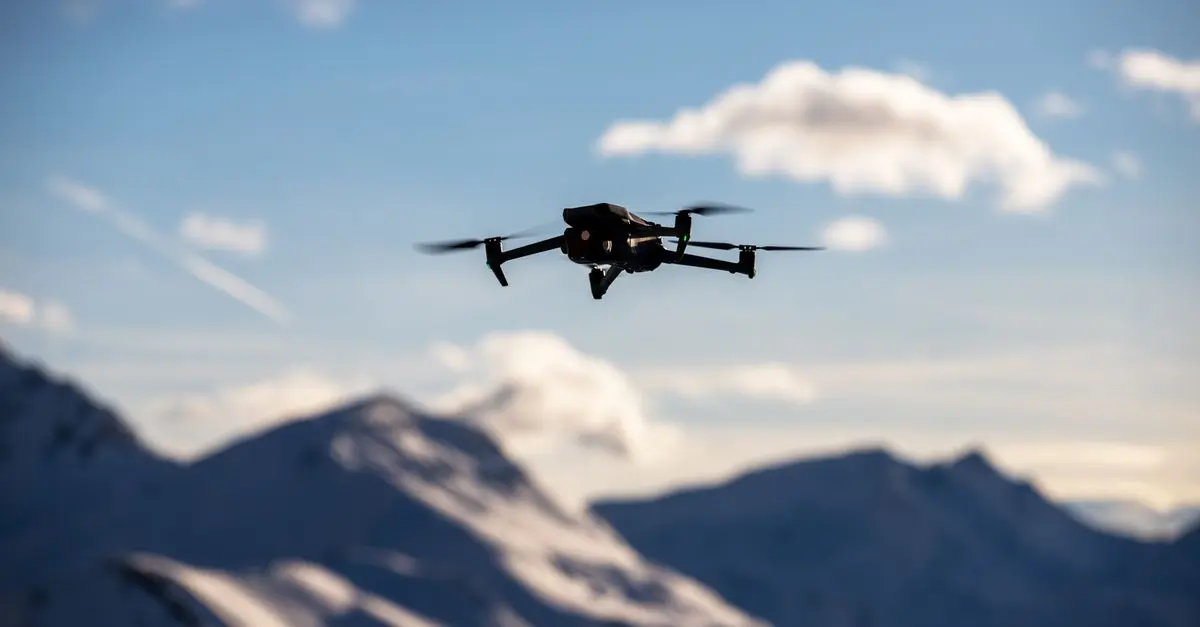
Drones have evolved from military tools to accessible consumer products that influence various sectors, including photography, agriculture, and delivery services. But what exactly is drone technology? Drones are unmanned aerial vehicles (UAVs) controlled remotely or autonomously using software. They are equipped with sensors, cameras, GPS, and other advanced technologies to navigate and perform specific tasks.
There are various types of drones available, catering to different needs and functionalities. For example, quadcopters are popular for recreational use due to their stability and ease of control. Meanwhile, fixed-wing drones are preferred for longer flights, enabling extensive land surveys in agriculture or environmental research. According to a report by Statista, the drone market is projected to reach $42.8 billion by 2026, showcasing the growing demand and applications of this technology in everyday life.
Part of understanding drone technology involves grasping its potential impact on various industries. In the agricultural sector, drones enable farmers to monitor crop health effectively. Using multispectral cameras, they can assess plant health and soil conditions without physically running through fields. Similarly, in construction, drones facilitate site surveys, providing detailed topographical maps that guide project planning. Moreover, drones deliver emergency supplies and medicines, demonstrating their invaluable role in real-time response situations. As regulations evolve, the integration of drone technology into these sectors continues to mature, showcasing its utility and versatility.
How Drone Technology Works
Understanding how drone technology works is essential for anyone considering its use or integration into their business. The heart of every drone lies in its hardware components, which include flight controllers, motors, and sensors. The flight controller is responsible for maintaining stable flight, processing data from sensors, and executing commands from the pilot or autonomous software. Modern drones often utilize GPS technology for navigation, enabling precise positioning and flight tracking.
When it comes to operation, drone pilots can choose between manual control and autonomous flight modes. In manual mode, the pilot uses a transmitter to control the drone's movements, which allows for greater spontaneity and creative input, especially in fields like aerial photography. However, in autonomous mode, the onboard processor follows a pre-programmed flight path, which is ideal for tasks requiring efficiency and precision, such as mapping large agricultural fields.
Moreover, drones come equipped with various sensors such as lidar, thermal cameras, and high-definition video cameras that expand their functionality. These sensors capture critical data, assisting with tasks ranging from identifying infrastructure issues to monitoring wildlife. The synergy of advanced hardware and sophisticated software makes modern drones versatile tools with numerous applications. Further advancements in drone technology will continually enhance capabilities, like improved battery life and longer-range connectivity, empowering industries to leverage their potential fully.
Comparing Different Types of Drones
When deciding on a drone, it's crucial to compare the types available to find one that suits your specific needs. Here’s a simplified comparison that illustrates some commonly used drones:
| Type of Drone | Flight Range | Typical Use | Price Range |
|---|---|---|---|
| Quadcopter | 500-1,500 meters | Recreational flying, photography | $300 - $2,000 |
| Fixed-Wing | Up to 10 miles | Agriculture, large area mapping | $2,000+ |
| Multi-Rotor | 100-2,000 meters | Filmmaking, surveying | $500 - $5,000 |
| Hybrid VTOL | 1-5 miles | Transporting goods, long-distance | $1,500 - $10,000 |

Milwaukee Leather 7.4V Men's True All Seasons Leather Jacket with Heated and Cool Technology
thewarmingstore.com


Current Trends in Drone Technology
As of 2026, the drone industry is experiencing several transformative trends fueled by technology enhancements, market demand, and regulatory changes. One significant trend is the focus on drone delivery services, popularized by companies aiming to expedite logistics and reduce delivery costs. For example, Amazon and Wing have been testing drone delivery, assisting businesses and consumers by reducing transportation times significantly.
Furthermore, integrating AI and machine learning into drone operations is revolutionizing the sector. Drones are now capable of processing aerial data in real-time, enhancing data analysis and decision-making for users. Whether it’s crop analysis to speed up agricultural decisions or urban planning using aerial images, AI ensures that drones become more autonomous and efficient in their operations.
Additionally, regulatory frameworks surrounding drone usage are evolving. In the U.S., the Federal Aviation Administration (FAA) has been actively working to integrate UAVs into airspace safely. Recent regulatory changes include remote ID requirements, which will mandate drones to broadcast their location and identification, contributing to safety and accountability. Such developments indicate a promising future where drones can operate seamlessly in our skies alongside traditional aircraft.
Expert Insights
> 💡 Expert Opinion: As drone technology continues to advance, professionals in sectors such as agriculture and logistics must stay educated on the latest capabilities. Continuous training in drone operations and awareness of regulatory updates can enhance their business outcomes and ensure compliance with laws.
Glossary
| Term | Definition |
|---|---|
| UAV (Unmanned Aerial Vehicle) | A flying vehicle that operates without a human pilot on board. |
| GPS (Global Positioning System) | A satellite-based navigation system that provides location and time info. |
| LiDAR (Light Detection and Ranging) | A remote sensing technology that uses laser light to measure distances. |
Checklist before Purchasing a Drone
- [ ] Determine your primary use case for the drone.
- [ ] Research the regulations governing drone flight in your area.
- [ ] Compare different drone models and their features.
- [ ] Read reviews from actual users to assess performance.
- [ ] Assess battery life and operational range relative to your needs.
Samsung Laundry Dryer with AI Control and Heat Pump Technology in White(DV25FG62B0BEA2)
samsung.com

Samsung Front Load Washer & Dryer Set with Vibration Reduction Technology+ and Sensor Dry in White(BNDL-1603912197302)
samsung.com

BISSELL CleanView with OnePass Technology Plus Upright Bagless Vacuum Sienna 3583
bissell.com
📺 Video Resource
> 📺 For further exploration: Understanding Drone Technology and Its Applications, a comprehensive look at various types of drones and their functions. Search on YouTube for: drone technology applications 2026.
Frequently Asked Questions
Q: What are the main applications of drone technology?
A: Drone technology is used in various fields such as agriculture, photography, public safety, and logistics, transforming how these industries operate.
Q: Are there regulations I need to follow when flying a drone?
A: Yes, pilots must adhere to local regulations, including registering their drones and obtaining necessary permissions for flight.
Q: Can drones be used for delivery services?
A: Yes, many companies are developing drone delivery services to transport goods quickly and efficiently.
Q: How do I choose the right drone for my needs?
A: Assess your intended use, compare different drone types, and consider crucial factors such as flight range and purpose before making a purchase.
📺 Pour aller plus loin : drone technology applications 2026 sur YouTube
Recommended products
Selected by our experts

Clinique Redness Solutions Makeup Broad Spectrum SPF 15 With Probiotic Technology, Calming Honey - 1 fl. oz./30 ml
clinique.com

PLAUD Inc. Plaud Note AI Voice Recorder, Voice Recorder w/Case, App Control, Transcribe & Summarize with AI Technology, Support 112 Languages, 64GB
plaud.ai
Nonin Medical NoninConnect™ Finger Pulse Oximeter with Bluetooth® Smart Wireless Technology
concordhealthsupply.com
Nonin Medical NoninConnect™ Finger Pulse Oximeter with Bluetooth® Smart Wireless Technology
concordhealthsupply.com

Plaud NotePin AI Voice Recorder, Voice Recorder with Neck Strap Lanyard, Transcribe & Summarize with AI Technology, 64GB Memory
plaud.ai