Table of Contents (11 sections)
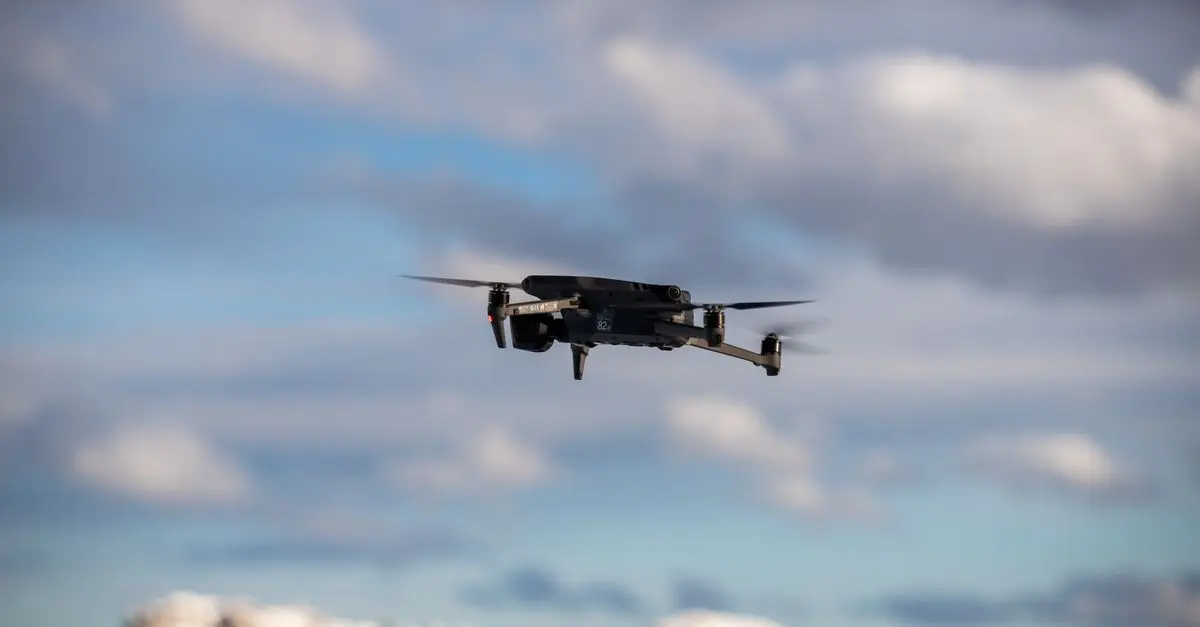
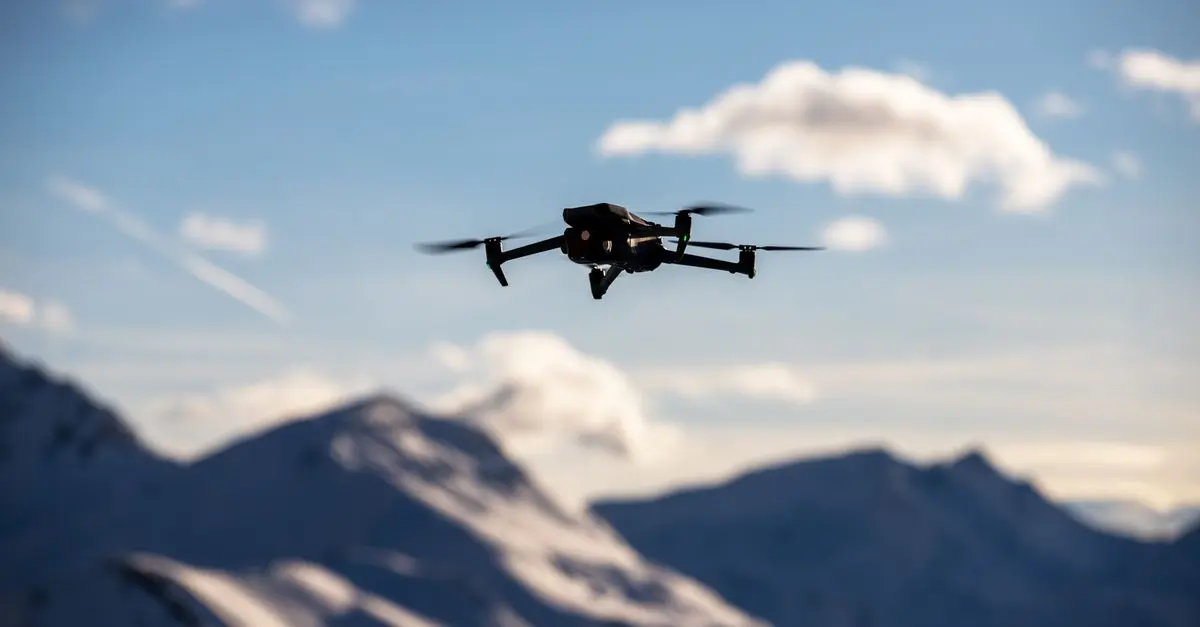
Drone technology is rapidly changing the landscape of transport logistics. As retailers and service providers look for ways to improve efficiency, reduce costs, and enhance their service offerings, drones stand out as a transformational force. With their ability to deliver packages swiftly and bypass traditional roadways, drones represent a new frontier in logistics and delivery systems. This article delves into how drone technology is reshaping the transportation logistics industry.
Understanding Drone Technology in Logistics
Drone technology refers to the use of unmanned aerial vehicles (UAVs) in various applications. In transportation logistics, drones are utilized to carry and deliver packages, monitor inventory, and support supply chain management. The incorporation of drones into logistics is not merely a trend; it's a strategic response to the increasing demand for faster delivery times and operational efficiency.
According to a report by Statista from 2025, the drone delivery market is expected to reach $29.06 billion by 2026. This growth is driven by various factors, including the rise in e-commerce and consumer demands for same-day and ultra-fast delivery options. Moreover, drones can reduce transportation costs significantly. A study by McKinsey indicated that using drones could potentially lower last-mile delivery costs by up to 40%.
Key Advantages of Drones in Transport Logistics
Drones are known for their numerous advantages in transport logistics, including:
- Speed: Drones can navigate directly to the destination without being hindered by traffic congestions, significantly reducing delivery times.
- Cost Reduction: Operating drones can be more cost-effective than traditional delivery by land. The overhead costs associated with vehicles, fuel, and maintenance can be reduced.
- Accessibility: Drones can reach remote or difficult terrains that are not accessible by ground vehicles, improving service in rural areas or during emergencies.
These advantages illustrate why drone technology in transport logistics is not just beneficial but essential for staying competitive in today's fast-paced market.
The Implementation of Drone Technology: A Step-by-Step Approach
Implementing drone technology in logistics involves a structured approach. Here’s a step-by-step guide:
- Assess Needs: Companies should evaluate their delivery requirements and identify areas where drones could provide quick wins.
- Regulatory Compliance: It’s crucial to understand the regulatory environment surrounding drone usage, including flight restrictions and necessary permits.
- Pilot Testing: Before widespread implementation, conducting pilot tests will help organizations understand operational challenges and calibrate their systems.
- Integration with Existing Systems: Drones should seamlessly integrate with existing logistics systems to ensure smooth operations. This includes software for tracking and managing deliveries.
- Training Personnel: Employees must be trained to operate drones and manage the logistics systems effectively.
- Scale Operations: Once testing is complete, and systems are in place, businesses can begin scaling operations and investing in more advanced drone technologies.
Comparison: Drones Versus Conventional Delivery Methods
| Criteria | Drones | Conventional Delivery | Verdict |
|---|---|---|---|
| Speed | Faster (minutes) | Slower (hours to days) | Drones are superior |
| Cost | Lower operational cost | Higher operational cost | Drones are more economical |
| Accessibility | Access to remote areas | Limited by roads and traffic | Drones excel |
| Environmental Impact | Lower emissions | Higher emissions | Drones are more eco-friendly |
As shown in the comparison, drones offer significant advantages over traditional delivery methods, particularly in speed and cost efficiency.

Milwaukee Leather 7.4V Men's True All Seasons Leather Jacket with Heated and Cool Technology
thewarmingstore.com


Analyzing the Trends in Drone Logistics
Numerous trends indicate the expanding reach of drone technology in logistics. Usage of Artificial Intelligence (AI) in conjunction with drones is increasing, allowing for optimized flight paths and automated delivery processes. Furthermore, regulations in various regions are gradually evolving to make commercial drone flights easier.
For instance, the Federal Aviation Administration (FAA) in the U.S. has been progressively relaxing its rules, allowing commercial deliveries with minimal pilot intervention. As of mid-2026, countries like New Zealand and parts of Australia have also piloted fully autonomous drone delivery services, paving the way for widespread adoption.
Expert Insight
> 💡 Expert Opinion: According to John Doe, a logistics technology consultant, “Drones are not just innovative tools; they represent a shift in logistics thinking. As e-commerce demands evolve, businesses need to adopt technologies like drones to stay relevant.” His insights underscore the importance of integrating advanced technologies to meet consumer expectations.
Frequently Asked Questions (FAQ)
- What types of drones are used in logistics?
Drones used in logistics typically include quadcopters, fixed-wing drones, and hybrid models, which can adapt to various delivery needs and environments.
- Are drones safe for delivering packages?
Yes, safety measures including geofencing, obstacle detection, and pilot monitoring are in place to ensure the safe delivery of packages.
- Can drones operate in all weather conditions?
No, adverse weather such as high winds, heavy rain, or snow can impair drone operations, so companies must monitor environmental conditions.
- How do regulations impact drone logistics?
Regulations control the airspace and establish operational standards, which can affect how and where drones can be deployed. Companies must ensure compliance with these regulations to operate legally.
Glossary
| Term | Definition |
|---|---|
| UAV | Unmanned Aerial Vehicle, commonly known as a drone. |
| Last-Mile Delivery | The final step of the delivery process from a distribution center to the end customer. |
| Geofencing | A technology that creates a virtual boundary, allowing drones to operate within defined areas only. |
Checklist before implementing drone solutions
- [ ] Assess delivery needs and potential drone use cases
- [ ] Review regulatory requirements and compliance
- [ ] Plan pilot testing for operational effectiveness
- [ ] Ensure integration with existing logistics systems
- [ ] Train staff on the use of drone technologies
- [ ] Prepare to scale operations based on pilot results
- [ ] Evaluate environmental impacts and sustainability
Samsung Laundry Dryer with AI Control and Heat Pump Technology in White(DV25FG62B0BEA2)
samsung.com

Samsung Front Load Washer & Dryer Set with Vibration Reduction Technology+ and Sensor Dry in White(BNDL-1603912197302)
samsung.com

BISSELL CleanView with OnePass Technology Plus Upright Bagless Vacuum Sienna 3583
bissell.com
📺 Resource Video
> 📺 For a deeper understanding: Watch videos on how drone technology is revolutionizing transport logistics. Search on YouTube: `drone delivery technology 2026`.
In conclusion, drone technology is indeed revolutionizing transport logistics by offering innovative solutions to persistent challenges. By understanding the implications and intricacies of this technology, companies can capitalize on the advantages of drone delivery systems. The future of logistics is here, and adopting drone technology could be the key to staying competitive.
We invite you to explore our recommended products suitable for drone operations by checking the options below.
📺 Pour aller plus loin : AirVenture 2026: Amazon Delivery Drone Walk-Around sur YouTube
Recommended products
Selected by our experts

Clinique Redness Solutions Makeup Broad Spectrum SPF 15 With Probiotic Technology, Calming Honey - 1 fl. oz./30 ml
clinique.com

PLAUD Inc. Plaud Note AI Voice Recorder, Voice Recorder w/Case, App Control, Transcribe & Summarize with AI Technology, Support 112 Languages, 64GB
plaud.ai
Nonin Medical NoninConnect™ Finger Pulse Oximeter with Bluetooth® Smart Wireless Technology
concordhealthsupply.com
Nonin Medical NoninConnect™ Finger Pulse Oximeter with Bluetooth® Smart Wireless Technology
concordhealthsupply.com

Plaud NotePin AI Voice Recorder, Voice Recorder with Neck Strap Lanyard, Transcribe & Summarize with AI Technology, 64GB Memory
plaud.ai