Table of Contents (24 sections)
Drones have surged in popularity over the last few years, transforming industries and providing new opportunities for both professionals and hobbyists. But what exactly is drone technology? In essence, drone technology encompasses the use of unmanned aerial vehicles (UAVs) that can be remotely controlled or fly autonomously using software-controlled flight plans. This beginner's guide will cover the fundamental components of drone technology, its applications, and the emerging trends shaping the world of UAVs.
What Are the Core Components of a Drone?
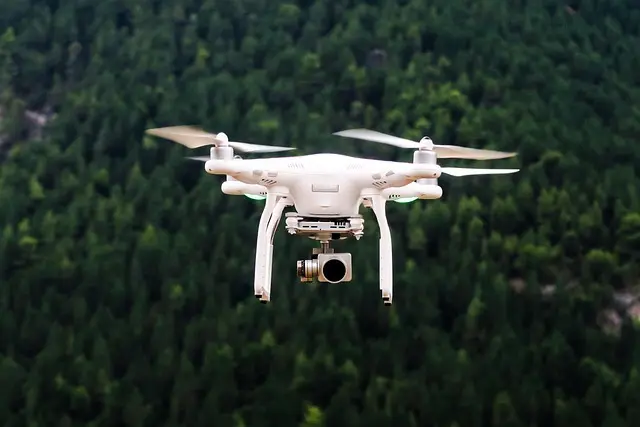
A well-functioning drone consists of several key components that work together harmoniously.
1. Airframe
The airframe serves as the drone's structure, similar to how the chassis supports a car. Drones come in various shapes and sizes, from quadcopters to fixed-wing models. The choice of airframe influences flight performance, durability, and suitability for specific applications.
2. Propulsion System
The propulsion system includes the motors and propellers that allow the drone to lift off and maneuver in the air. Motor power can determine the drone's speed, flight time, and ability to carry payloads. Understanding the power-to-weight ratio is crucial for optimizing flight performance.
3. Flight Controller
The flight controller is the brain of the drone, processing data from various sensors and executing flight commands. It stabilizes the drone during flight, helping it maintain altitude and direction. Modern drones often come equipped with advanced flight controllers that support GPS navigation and obstacle avoidance.
4. Power Supply
Most drones rely on lithium-polymer (LiPo) batteries to power their components. Battery capacity is a vital factor influencing flight duration. The choice of battery can impact the drone's weight and overall efficiency. Some advanced drones even utilize solar power or hybrid systems to prolong flight time.
5. Sensors
Drones are equipped with a variety of sensors, including gyroscopes, accelerometers, and altimeters, which help stabilize and orient the drone during flight. Additionally, many drones come with cameras, thermal imaging, or LiDAR sensors to enable specific applications.
How Does Drone Technology Work? A Step-by-Step Overview
Understanding the functionality of a drone provides insights into its applications.
Step 1: Remote Pilot Input
The process begins when a remote pilot issues commands through a controller, guiding the drone's flight path. Modern controllers often use various communication technologies like Wi-Fi, RF, or Bluetooth, ensuring smooth command transmission.
Step 2: Flight Planning
Most UAVs allow users to preset flight plans using accompanying software. This feature is particularly useful for tasks requiring precise data collection, such as surveying and mapping. The drone autonomously follows the set course unless overridden by the pilot.
Step 3: Execution of Commands
Upon receiving the pilot's commands, the drone's flight controller interprets the data. It stabilizes the drone by adjusting the throttle of individual motors to maintain altitude and direction. GPS coordinates may also guide the drone, particularly for long-distance flights.
Step 4: Data Collection
For many commercial applications, drones are utilized for data collection. Depending on their purpose, they may take high-resolution photographs, gather environmental data, or conduct inspections.
Step 5: Flight Data Analysis
After a flight, the gathered data can be analyzed through specialized software. This analysis provides users with valuable insights, whether for mapping terrain, monitoring agricultural health, or conducting infrastructure inspections.

PLAUD Inc. Plaud Note AI Voice Recorder, Voice Recorder w/Case, App Control, Transcribe & Summarize with AI Technology, Support 112 Languages, 64GB
plaud.ai

Comparing Different Types of Drones
Different drone types cater to various needs, and comparing these options can help beginners select the right UAV.
| Type | Advantages | Disadvantages | Ideal Use Cases |
|---|---|---|---|
| Quadcopter | Easy to fly, versatile | Short flight time | Photography, recreational |
| Fixed-Wing | Longer flight distance, efficiency | More complex to operate | Surveying, agriculture |
| Helicopter | Greater maneuverability | Typically more expensive | Search and rescue |
| Racing Drone | High speed, agility | Steeper learning curve | Drone racing |
The landscape of drone technology continues to evolve, reflecting advancements in various fields. One notable trend is the integration of artificial intelligence (AI) for autonomous navigation and data analysis. According to the Federal Aviation Administration (FAA), the commercial drone market is expected to reach nearly $43 billion by 2025. This growth is spurred by multiple sectors adopting drone solutions, including agriculture, delivery services, and public safety.
Furthermore, emerging regulations and safety protocols aim to enhance airspace management as more drones populate the skies. The development of drone delivery services, exemplified by companies like Amazon and UPS, is also on the rise, showcasing the potential for UAVs to reshape logistics and transportation.
💡 Expert Opinion: As the technology behind drones improves, the implications for industries are profound. Drones can greatly enhance operational efficiency, reduce costs, and provide capabilities previously unattainable. Investing in drone technology today means preparing for a more automated future.
📺 For Further Exploration
Explore [Drone Technology in Action], a detailed review of the innovations and applications in drone tech. Search for: drone technology real-world applications 2026.
Frequently Asked Questions (FAQ)
What are common uses for drones?
Drones are commonly used in sectors like agriculture, photography, surveillance, and delivery services due to their versatility in capturing data and images from above.
How can I choose the right drone for my needs?
Consider your intended use, budget, and required features. For photography, opt for drones with high-quality cameras, whereas surveying tasks may need specific sensors and GPS capabilities.
Are there legal restrictions for flying drones?
Yes, drone operations are regulated by government agencies in many countries. Research local laws regarding drone usage, altitude limits, and airspace restrictions.
How long can drones typically fly on a single charge?
Flight times can vary significantly between different models, largely depending on battery capacity and weight, averaging anywhere from 20 to 40 minutes.
Glossary
| Term | Definition |
|---|---|
| Drone | An unmanned aerial vehicle (UAV) piloted either remotely or autonomously. |
| Flight Controller | The device that stabilizes the drone and executes flight commands. |
| LiPo Battery | A common rechargeable battery type utilized in drones, known for its efficiency and power-to-weight ratio. |

Milwaukee Leather 7.4V Men's True All Seasons Leather Jacket with Heated and Cool Technology
thewarmingstore.com

Samsung Laundry Dryer with AI Control and Heat Pump Technology in White(DV25FG62B0BEA2)
samsung.com
Checklist Before Purchase
- [ ] Determine the primary use of your drone
- [ ] Research local regulations concerning drone operations
- [ ] Compare flight times and battery life across models
- [ ] Ensure compatibility with desired accessories (cameras, sensors)
- [ ] Read user reviews for insights on specific drone performance
As you embark on your drone journey, understanding the basics of drone technology will empower you to make informed decisions and explore the exciting possibilities within this dynamic field. If you're considering a new drone, we've selected several products suitable for various enthusiasts and professionals alike.
Recommended Products
- - - ---
📺 Pour aller plus loin : drone technology real-world applications 2026 sur YouTube
Recommended products
Selected by our experts

Samsung Front Load Washer & Dryer Set with Vibration Reduction Technology+ and Sensor Dry in White(BNDL-1603912197302)
samsung.com

BISSELL CleanView with OnePass Technology Plus Upright Bagless Vacuum Sienna 3583
bissell.com

Clinique Redness Solutions Makeup Broad Spectrum SPF 15 With Probiotic Technology, Calming Honey - 1 fl. oz./30 ml
clinique.com
Nonin Medical NoninConnect™ Finger Pulse Oximeter with Bluetooth® Smart Wireless Technology
concordhealthsupply.com
Nonin Medical NoninConnect™ Finger Pulse Oximeter with Bluetooth® Smart Wireless Technology
concordhealthsupply.com

Plaud NotePin AI Voice Recorder, Voice Recorder with Neck Strap Lanyard, Transcribe & Summarize with AI Technology, 64GB Memory
plaud.ai