Table of Contents (12 sections)
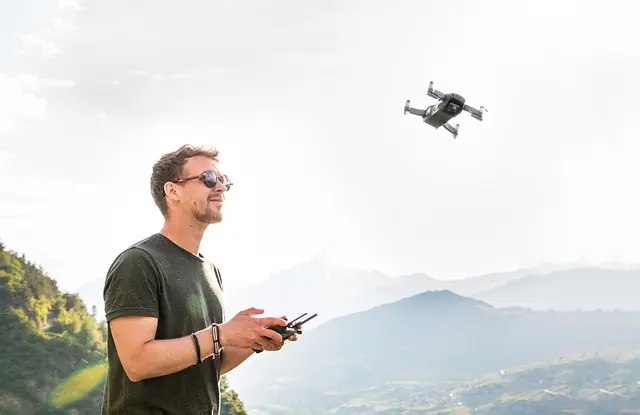
Drones, or Unmanned Aerial Vehicles (UAVs), have rapidly evolved from niche gadgets into essential tools across various industries. By definition, a drone is an aircraft without a human pilot on board, which can be controlled remotely or autonomously. This technology is not only revolutionary for recreational purposes but has also opened new avenues in sectors like agriculture, logistics, and surveillance. In recent years, the demand for drone technology has surged, prompting advancements in capabilities, efficiency, and regulatory frameworks that address safety and privacy concerns.
Key Components of Drone Technology
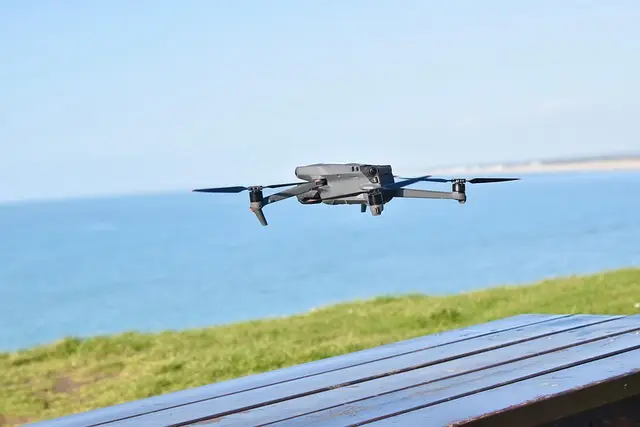
Drones are comprised of several critical components that work together to ensure their functionality. The primary parts include:
- Airframe: The structure of the drone, which can be made from materials like plastic, metal, or carbon fiber, affecting weight and durability.
- Propulsion System: Typically consists of electric motors and propellers that allow drones to ascend and maneuver in flight.
- Navigation System: Equipped with GPS and sometimes inertial measurement units (IMUs), this system enables the drone to maintain its position and navigate accurately.
- Control System: Often involving radios and complex software that allow for remote operation, drones can be controlled from a distance using various devices.
- Payload: Drones can carry various payloads such as cameras or sensors for data collection, tailored to meet different mission requirements.
For instance, a drone used in agriculture might be equipped with multispectral cameras to monitor crop health, while a drone for delivery services would prioritize efficiency and cargo space. Understanding these components is essential for anyone interested in the field, whether for personal use or professional applications.
The Rise of Drone Applications
Drone technology has gained immense popularity, particularly in industries previously restricted by traditional methods. The agricultural sector, for example, has incorporated drones for precision farming, allowing farmers to monitor crop patterns, assess plant health, and optimize resource use.
According to Statista, the global drone market is expected to reach approximately $43 billion by 2024, reflecting growing interest in both commercial and recreational UAVs. This rise can also be seen in logistics, where companies like Amazon and UPS are experimenting with drone deliveries to enhance efficiency and reduce costs. Moreover, drones play a crucial role in emergency services, aiding in disaster relief operations by delivering supplies to areas that are hard to reach.
Steps to Getting Started with Drones
If you're considering venturing into the world of drones, there are several steps to follow for a smooth introduction:
- Research Local Regulations: Each country has specific laws regarding drone usage. Familiarize yourself with the regulations in your area to avoid legal issues.
- Choose the Right Drone: Depending on your intended use—be it photography, racing, or agriculture—select a drone that fits your needs. Consider factors like flight time, range, and camera quality.
- Practice Flying: Start with a basic model to understand flight mechanics before upgrading to advanced drones. Simulators are also available that can safely teach you the basics.
- Learn About Maintenance: Properly maintaining your drone extends its life. Regularly check batteries, propellers, and firmware updates.
- Join a Community: Engaging with other drone enthusiasts can provide tips, support, and networking opportunities.
Comparing Drone Types
Understanding the different types of drones is key to choosing the right one for your needs. Here’s a basic comparison to help guide your decision:
| Feature | Multi-Rotor Drones | Fixed-Wing Drones | Hybrid Drones | Single-Rotor Drones |
|---|---|---|---|---|
| Flight Time | 20-30 mins | Up to several hours | 30-60 mins | 20-60 mins |
| Distance | Short range | Long range | Moderate range | Moderate to long |
| Payload | Light | Heavy | Moderate | Moderate |
| Complexity | Easy to operate | Harder to pilot | Moderate | More complex |
| Best For | Photography, hobbyists | Surveying, mapping | Versatile | Surveillance, cargo |
Expert Insights on Drone Technology
> 💡 Expert Opinion: Drone technology is on the brink of a new era with advancements in AI and machine learning. As these technologies integrate into UAVs, we are likely to see unparalleled improvements in autonomous flying capabilities, making drones safer and more efficient. This will also enhance applications in agriculture and wildlife conservation, leading to smarter resource management overall.
Future of Drone Technology
As we look forward, innovations in drone technology are expected to grow exponentially. With the rise of 5G networks, real-time data transmission will become more seamless, enhancing drone capabilities beyond current limits. The integration of AI-driven analytics will allow drones to make decisions independently, optimizing flight paths and data collection processes.
Furthermore, regulatory frameworks are adapting to new technologies to both preserve public safety and promote innovation. As Regulations continue to evolve, more industries will likely be encouraged to adopt drone technologies, leading to unprecedented changes in how we view transport, delivery, and even surveillance.
📺 For further exploration: Understanding Drone Technology, a comprehensive guide on the latest trends in UAV technology. Search for: drone technology advancements 2026 on YouTube.
Glossary
| Term | Definition |
|---|---|
| UAV | Unmanned Aerial Vehicle, a type of drone. |
| Payload | The cargo a drone carries during its flight. |
| GPS | Global Positioning System, used for navigation. |


PLAUD Inc. Plaud Note AI Voice Recorder, Voice Recorder w/Case, App Control, Transcribe & Summarize with AI Technology, Support 112 Languages, 64GB
plaud.ai

Milwaukee Leather 7.4V Men's True All Seasons Leather Jacket with Heated and Cool Technology
thewarmingstore.com
Checklist Before Buying a Drone
- [ ] Research local regulations
- [ ] Determine your intended use
- [ ] Compare drone types
- [ ] Read user reviews and expert opinions
- [ ] Check battery life and flight time
Quiz Quick
> 🧠 Quick Quiz: What is the primary function of GPS in drones?
> - A) Enhance battery life
> - B) Navigation
> - C) Improve camera quality
> Answer: B — GPS is essential for navigation, allowing drones to determine their location accurately and maintain stable flight paths.
Recommended Products
- - - {"catalog_id":"f"
📺 Pour aller plus loin : drone technology advancements 2026 sur YouTube
Recommended products
Selected by our experts

Samsung Front Load Washer & Dryer Set with Vibration Reduction Technology+ and Sensor Dry in White(BNDL-1603912197302)
samsung.com

BISSELL CleanView with OnePass Technology Plus Upright Bagless Vacuum Sienna 3583
bissell.com

Clinique Redness Solutions Makeup Broad Spectrum SPF 15 With Probiotic Technology, Calming Honey - 1 fl. oz./30 ml
clinique.com
Nonin Medical NoninConnect™ Finger Pulse Oximeter with Bluetooth® Smart Wireless Technology
concordhealthsupply.com
Nonin Medical NoninConnect™ Finger Pulse Oximeter with Bluetooth® Smart Wireless Technology
concordhealthsupply.com