Table of Contents (15 sections)
Drone technology has revolutionized multiple industries, from photography to agriculture, and even emergency services. But with a multitude of drones available on the market, it's crucial to understand the key features that define their capabilities and usability. In this article, we delve into drone technology features, enabling you to make an informed decision if you're considering a drone for personal or professional use.
What is Drone Technology?
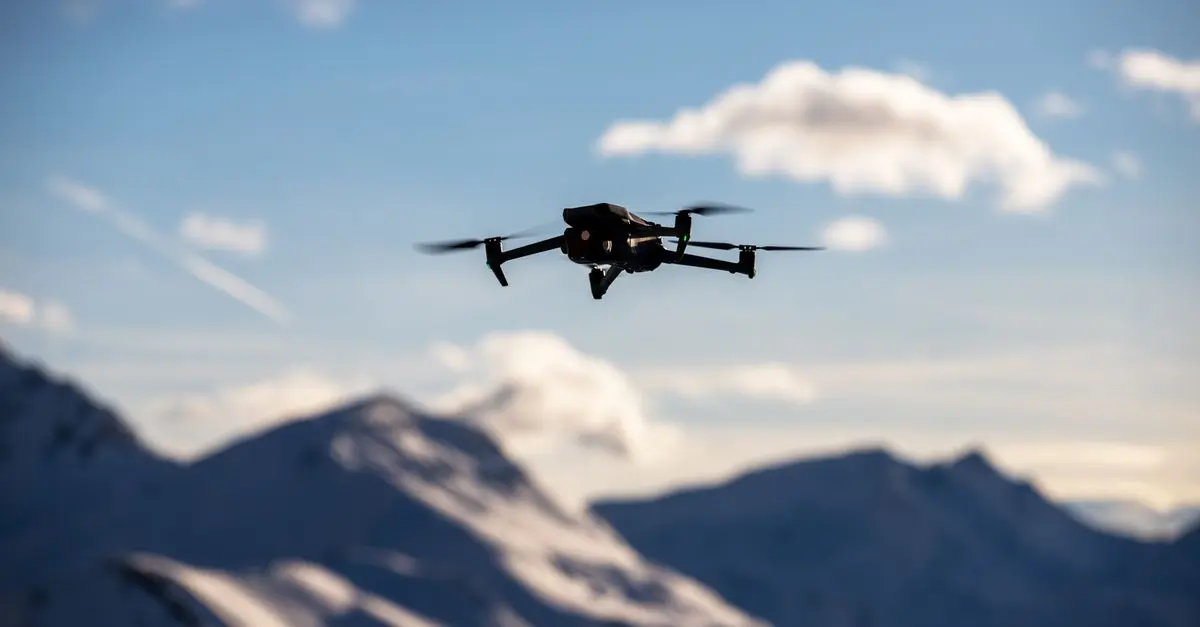
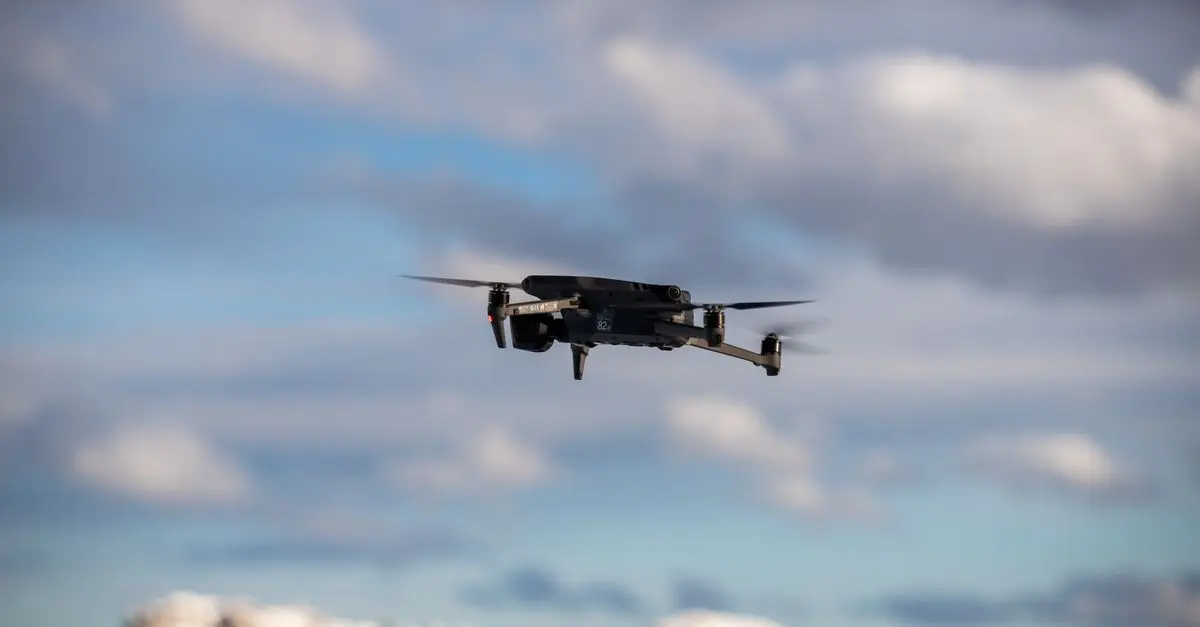
Drone technology encompasses various unmanned aerial vehicles (UAVs) that can be remotely piloted or can fly autonomously through software-controlled flight plans embedded in their systems. Drones are utilized for a variety of tasks, such as surveillance, aerial photography, delivery services, and mapping. They usually come equipped with various components that significantly enhance their functionality, including cameras, sensors, and GPS systems. The rapid advancement in drone technology is largely due to its broad applications and the increasing demand for such technologies across different sectors.
A defining moment in the evolution of drone technology was their integration into commercial and recreational markets. As reported by Statista, in 2026, the global drone market is projected to exceed $40 billion, showcasing the burgeoning interest in these versatile machines. The core of this growth lies in the adaptability and enhancements being developed by manufacturers to meet specific industry needs.
Essential Drone Technology Features
Flight Time and Range
One of the most critical features to consider in drone technology is flight time. Average consumer drones typically offer flight times between 20 to 30 minutes per charge, which can vary significantly based on the drone's weight, battery capacity, and usage conditions. Longer flight times allow more extensive data collection and ease of use for extended projects.
Range is another essential aspect, as it determines how far a drone can fly from its pilot before losing control. For hobbyists, a range of 1-2 kilometers might suffice, but professionals, especially in sectors like agriculture or surveying, often require drones with ranges beyond 5 kilometers. Understanding these specifications helps in selecting the right drone based on usage.
Stability and Control
Drones equipped with advanced stabilization features, such as GPS hold, altitude hold, and advanced flight modes (like Follow Me and Waypoint Navigation), allow for smoother flights and enhanced control. Stability is crucial for capturing high-quality images and videos as well as ensuring safety during operation. Users have noted that drones with strong stabilization features reduce the likelihood of crashes and increase the overall user experience.
Camera Quality
For many users, especially in the photography and videography sectors, the camera quality is paramount. When considering drone technology features, examine the resolution (measured in megapixels), video quality (4K is now standard for most mid-range to high-end drones), and any stabilizing features like gimbals that can affect image quality. Additionally, more advanced drones come with features like obstacle avoidance systems that prevent crashes, thus protecting both the device and user investment.
Payload Capacity
The payload capacity of a drone is another essential consideration, especially for commercial users. This feature determines how much weight the drone can carry in addition to its internal components. Drones with higher payload capacities can carry sophisticated cameras and sensors, making them invaluable for commercial applications such as surveying, agricultural monitoring, and package delivery. For example, some agricultural drones are specifically designed to carry specialized sensors that enhance data gathering for precision farming.


Comparative Analysis of Drones
To better understand the variety in drone features, consider this comparative analysis of three popular drones in the market.
| Feature | Drone A | Drone B | Drone C |
|---|---|---|---|
| Flight Time | 20 min | 25 min | 30 min |
| Range | 1 km | 5 km | 10 km |
| Camera Resolution | 12 MP | 20 MP | 24 MP |
| Stabilization Type | Basic | Intermediate | Advanced |
Industry Trends and Statistics
The drone technology market continues to be driven by innovations such as AI and advanced sensors, making them more user-friendly and efficient. According to UFC-Que Choisir, businesses leveraging drone technology are seeing productivity boosts of over 30%, primarily due to the accurate data collection possible with modern UAVs. Furthermore, the adoption rate among businesses is expected to increase significantly, indicating a growing reliance on drones in operations.
As technology evolves, it is essential to keep up with the latest advancements, ensuring you're fully equipped with the knowledge needed to choose the right drone based on its features. Also, the increasing regulations surrounding drone usage necessitate staying informed to avoid legal complications.
Expert Opinion
> 💡 Expert Insight: When selecting a drone, always prioritize your specific needs—be it for leisure or extensive commercial applications. Understanding your objectives helps you select features that matter most, ensuring you get the best value for your investment.
- What is the average flight time of a drone?
The average flight time of consumer drones typically ranges from 20 to 30 minutes.
- How far can a drone fly?
Most drones can fly between 1 to 10 kilometers depending on their specifications and capabilities.
- What camera quality should I look for?
Look for drones with at least 12 MP capabilities for decent photos, while 20 MP and above is recommended for professional use.
- Is payload capacity important?
Yes, especially for commercial drones that need to carry additional sensors or equipment.
Checklist Before Purchase
- [ ] Verify the flight time
- [ ] Check the range limits
- [ ] Evaluate the camera quality
- [ ] Assess stabilization features
- [ ] Determine the payload capacity

Milwaukee Leather 7.4V Men's True All Seasons Leather Jacket with Heated and Cool Technology
thewarmingstore.com
Samsung Laundry Dryer with AI Control and Heat Pump Technology in White(DV25FG62B0BEA2)
samsung.com

Samsung Front Load Washer & Dryer Set with Vibration Reduction Technology+ and Sensor Dry in White(BNDL-1603912197302)
samsung.com
Glossary
| Term | Definition |
|---|---|
| UAV | Unmanned Aerial Vehicle, commonly known as a drone. |
| Stabilization | Technology which helps maintain a drone's position or attitude during flight. |
| Payload | The total weight a drone can carry, including cameras and additional equipment. |
📺 Video Resource
> 📺 For further insights: Explore a detailed breakdown of the latest drone technologies by searching on YouTube: "drone technology features 2026".
📺 Pour aller plus loin : drone technology features 2026 sur YouTube
Recommended products
Selected by our experts

BISSELL CleanView with OnePass Technology Plus Upright Bagless Vacuum Sienna 3583
bissell.com

Clinique Redness Solutions Makeup Broad Spectrum SPF 15 With Probiotic Technology, Calming Honey - 1 fl. oz./30 ml
clinique.com

PLAUD Inc. Plaud Note AI Voice Recorder, Voice Recorder w/Case, App Control, Transcribe & Summarize with AI Technology, Support 112 Languages, 64GB
plaud.ai
Nonin Medical NoninConnect™ Finger Pulse Oximeter with Bluetooth® Smart Wireless Technology
concordhealthsupply.com
Nonin Medical NoninConnect™ Finger Pulse Oximeter with Bluetooth® Smart Wireless Technology
concordhealthsupply.com