Table of Contents (11 sections)
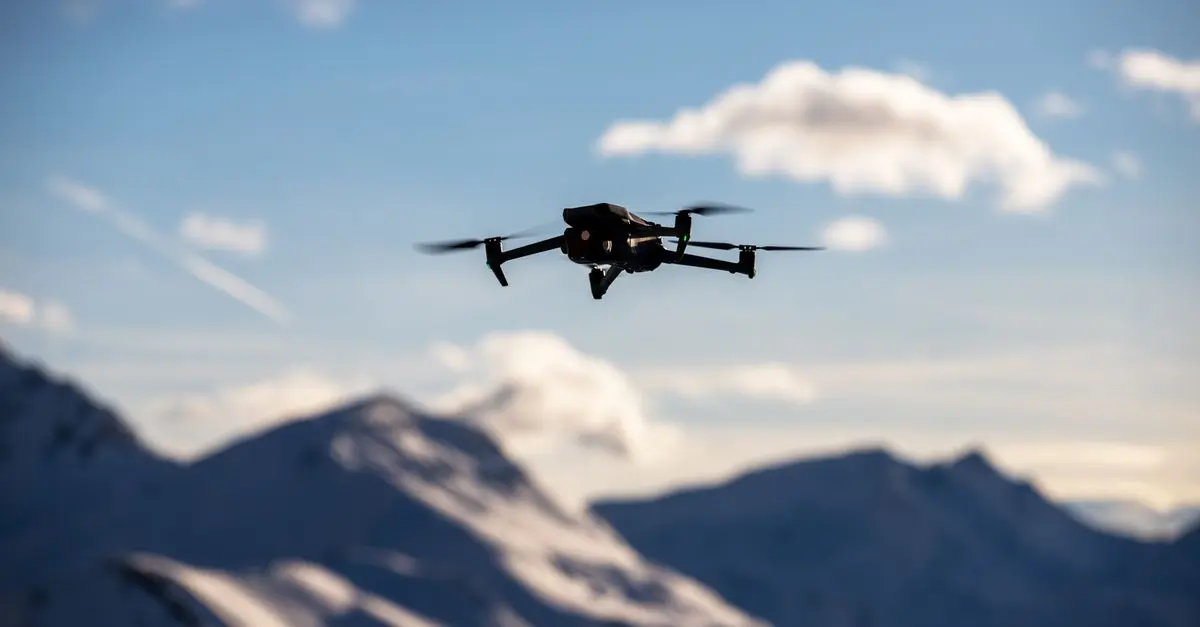
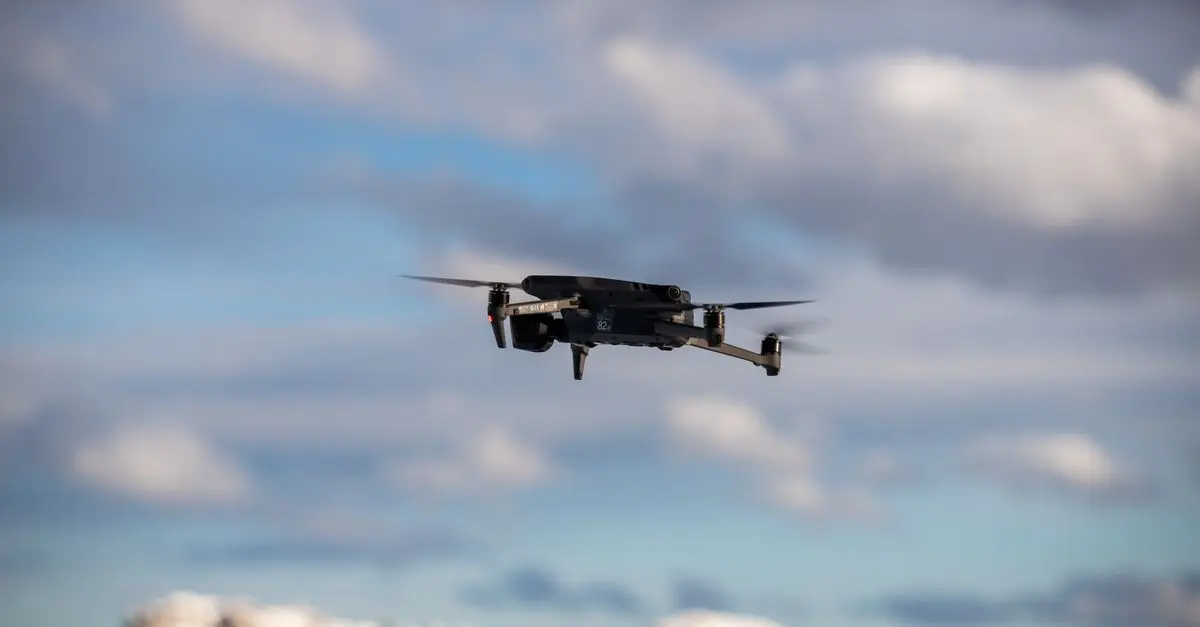
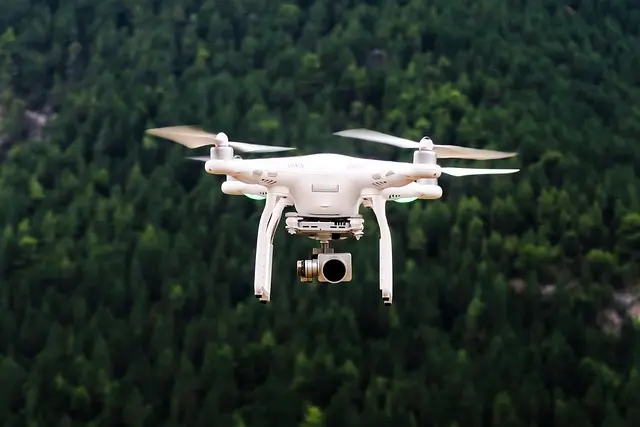
Drones, or unmanned aerial vehicles (UAVs), have revolutionized various industries in recent years. The growing interest in drone technology stems from its potential to enhance efficiency and provide innovative solutions across diverse applications, including agriculture, construction, photography, and logistics. In 2026, understanding the essential drone technology features that make these devices effective tools is more crucial than ever. This article will delve into the key aspects you should consider when exploring or purchasing a drone.
What is Drone Technology?
Drone technology refers to the use of UAVs that are controlled remotely or autonomously deployed to perform specific tasks. From aerial photography to agricultural monitoring, drone technology encompasses various features such as flight capabilities, sensors, and payload capacities.
Drones operate based on advancements in IoT (Internet of Things) and AI (Artificial Intelligence), which allow for incredibly precise navigation and real-time data collection. As of 2026, the global market for commercial drones is projected to reach several billion dollars, showcasing their increasing importance in modern technology. Reports suggest a surge in drone usage, particularly in sectors that require detailed aerial views or data collection from hard-to-reach areas.
Key Features to Consider in Drone Technology
When evaluating drone technology features, one must consider multiple aspects that can significantly influence performance and usability. Here are some crucial features to focus on:
- Camera Quality: For applications such as surveying, mapping, or aerial photography, camera quality is paramount. Modern drones come equipped with high-definition cameras capable of capturing detailed images and videos, including 4K resolution and advanced stabilization technologies.
- Flight Time: Battery life can vary significantly among different models. The average flight time for consumer drones currently ranges from 20 to 30 minutes, while higher-end commercial drones may offer up to an hour of uninterrupted flight time.
- Range: The operational range of a drone refers to how far it can fly from the controller or its takeoff point. Commercial drones typically have ranges exceeding 1,000 meters, which allows for extensive coverage of larger areas, beneficial in agricultural or survey applications.
- Sensors and Navigation: Drones equipped with GPS allow for precise navigation and automated flight paths. Additional sensors like obstacle avoidance systems enhance safety, preventing collisions during flight.
- Payload Capacity: Depending on your intended use, the capability to carry various payloads (such as camera equipment, sensors, or delivery items) is fundamental in the drone's performance. Understanding payload limits will help you select a model suited to your tasks.
Comparative Analysis of Drone Features
To aid in decision-making, consider the following comparison of three popular drones based on key features:
| Feature | Drone A | Drone B | Drone C | Verdict |
|---|---|---|---|---|
| Camera Quality | 12 MP, 4K video | 20 MP, 4K video | 16 MP, 1080p video | Drone B offers the best camera. |
| Flight Time | 25 minutes | 30 minutes | 20 minutes | Drone B has the longest flight time. |
| Range | 600 meters | 1000 meters | 800 meters | Drone B offers the most range. |
| Payload Capacity | 500 grams | 1 kg | 750 grams | Drone B can carry the heaviest payload. |
According to recent industry reports, technology adoption among various sectors has been robust, with agriculture and emergency response leading the charge. Drones are being incorporated into vital infrastructures, enhancing efficiency. Statistics show that 80% of farmers are using drones to monitor crops and soil health, leading to notable increases in yields.
Moreover, innovations such as AI-based analysis and autonomous drone features continue to evolve. Drones that function with AI can now analyze collected data in real-time, making them invaluable for time-sensitive tasks and decision-making processes. As these trends evolve, the demand for specialized drones remains on an upward trajectory.
Expert Insight on Drone Usage
> 💡 Expert Opinion:
> "The advent of drone technology has transformed industries, offering unparalleled perspectives and efficiencies. From clear aerial photography that enhances our understanding of landscapes to agricultural surveillance that aims to optimize crop management, drones have become indispensable. Businesses keen on leveraging drones must consider not only the initial investment but also product reliability, feature integration, and future scalability to adapt to upcoming innovations in the field."
FAQ: Common Questions About Drone Technology
- What is the best drone for beginners?
The best drone for beginners typically features an easy-to-use interface, decent battery life, and integrated safety features. Look for models that prioritize simplicity and durability.
- How do I maintain my drone?
Regularly check the battery, clean the propellers, and ensure firmware updates are installed to maintain optimal performance.
- Are drones safe to fly?
When flying responsibly and adhering to regulations, drones are generally safe. Always be aware of your surroundings and avoid flying in restricted areas.
- Can drones fly in bad weather?
Most consumer drones are not designed to withstand high winds or heavy rain. It is advisable to fly in clear weather conditions for safety and optimal performance.
📺 Resource Video
> For further exploration regarding drone technology features, check out this comprehensive video analysis on YouTube:
> “Exploring the Best Drones of 2026.” Search: best drones technology 2026 overview.
Glossary
| Term | Definition |
|---|---|
| UAV | Unmanned Aerial Vehicle; a drone operated without a pilot aboard. |
| Payload | The total weight a drone can carry, including cameras and sensors. |
| Flight Time | The duration a drone can remain airborne on a single battery charge. |
Checklist before Purchase
- [ ] Assess camera quality versus your needs.
- [ ] Compare flight time and battery options.
- [ ] Evaluate the range of operation required.
- [ ] Check the payload capacity for specific applications.
- [ ] Research additional safety features and navigation aids.
In conclusion, understanding the core drone technology features is essential for making informed decisions about purchasing or operating drones in 2026. As drone technology continues to evolve, staying informed about the latest features and trends can help users make the most out of these innovative tools.
Recommended Products
- Jupiter Creations Inc RC Rocket Drone: A fantastic choice for enthusiasts looking to explore innovative designs and functionalities.
- Capital Technology Inc DBA SALAV Professional Garment Steamer: Ideal for precision and efficiency, highly suitable for those in the creative fields needing detail in their production work.
- PLAUD Inc. Plaud Note AI Voice Recorder: While not directly a drone, it's a useful gadget for capturing insights during drone-related missions.
📺 Pour aller plus loin : best drones technology 2026 overview sur YouTube
Recommended products
Selected by our experts

BISSELL CleanView with OnePass Technology Plus Upright Bagless Vacuum Sienna 3583
bissell.com

Clinique Redness Solutions Makeup Broad Spectrum SPF 15 With Probiotic Technology, Calming Honey - 1 fl. oz./30 ml
clinique.com

PLAUD Inc. Plaud Note AI Voice Recorder, Voice Recorder w/Case, App Control, Transcribe & Summarize with AI Technology, Support 112 Languages, 64GB
plaud.ai
Nonin Medical NoninConnect™ Finger Pulse Oximeter with Bluetooth® Smart Wireless Technology
concordhealthsupply.com
Nonin Medical NoninConnect™ Finger Pulse Oximeter with Bluetooth® Smart Wireless Technology
concordhealthsupply.com