Table of Contents (10 sections)
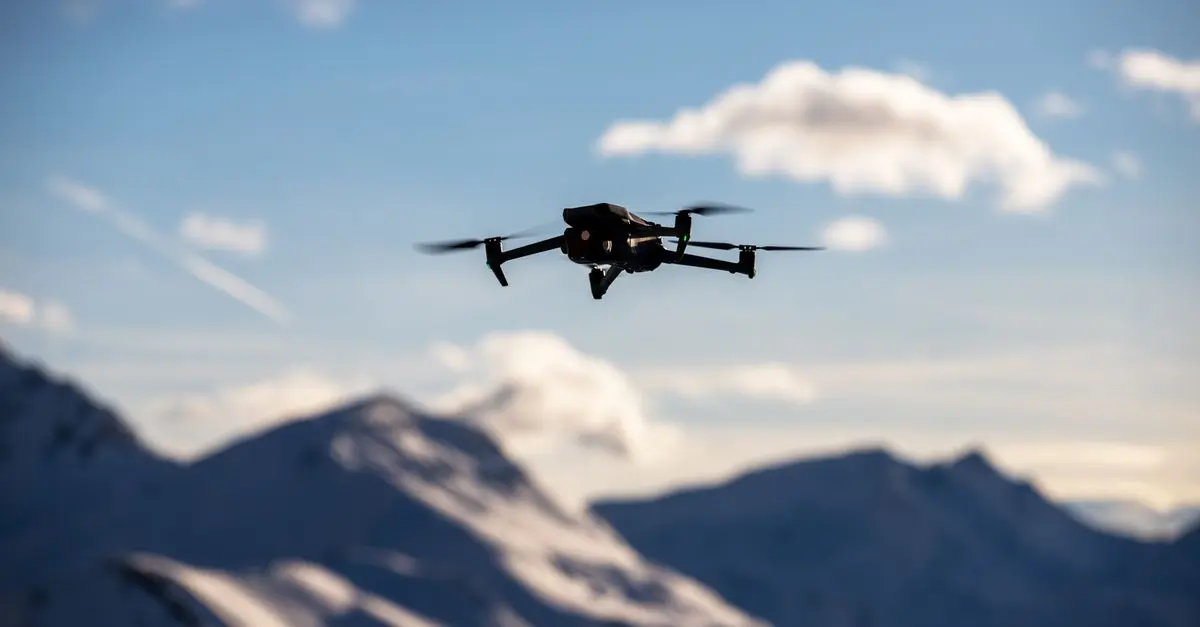
Drones, or unmanned aerial vehicles (UAVs), have revolutionized many industries since their inception. In 2026, drone technology has become an integral part of sectors like agriculture, cinematography, delivery services, and even disaster response. This article provides a comprehensive overview of drone technology, focusing on its basic concepts and functionalities. Understanding the intricacies of this technology not only aids enthusiasts but also empowers businesses to adopt innovative solutions that can streamline operations.
What is Drone Technology?
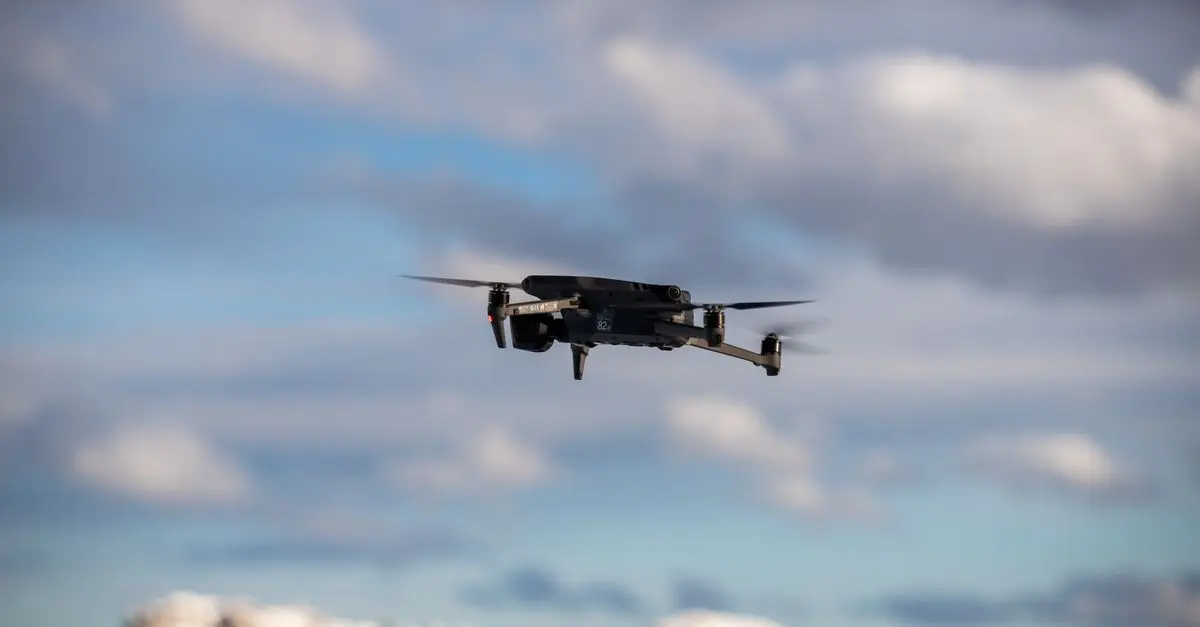
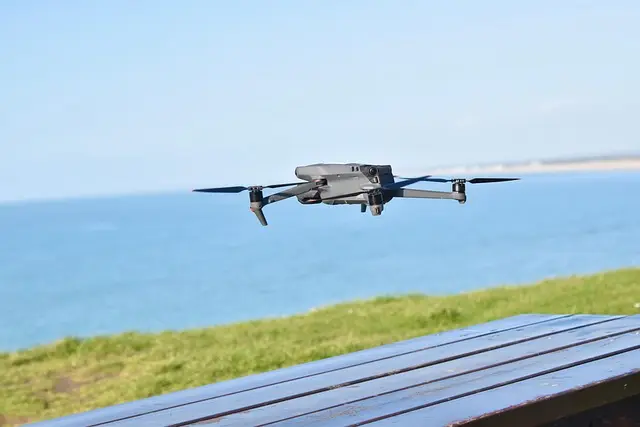
Drone technology refers to the use of unmanned aerial vehicles equipped with sensors, cameras, and software that allow them to operate autonomously or remotely. These UAVs can navigate predetermined paths and gather data or perform tasks without human intervention. Drones come in various shapes and sizes, tailored for specific activities or environments. The fundamental components of a drone typically include a frame, propulsion system, control system, navigation equipment, and payload options.
Drones serve multiple purposes, from recreational uses in photography and racing to serious applications in agriculture, where they monitor crop health and optimize resources. For example, farmers utilize drones equipped with multispectral sensors to gather data on plant health, improving yield and reducing waste. Similarly, the real estate sector has embraced drones for aerial photography, presenting properties in captivating ways that traditional photography cannot achieve, providing more vivid perspectives for potential buyers.
How Do Drones Work?
Understanding how drones work involves grasping their core components and the technologies that enable flight. At a basic level, drones operate using a combination of the following elements:
- Flight Control System: This onboard computer manages flight dynamics, stabilization, and overall operation.
- Propulsion System: Consisting of motors and propellers, this system provides the necessary lift for the drone to ascend and maneuver.
- Sensors and Navigation: Drones rely on GPS and other sensors to determine their position and navigate their environment, avoiding obstacles and managing flight paths.
Step-by-Step Operation
- Pre-Flight Check: Ensure all components are functional, including battery power.
- Flight Path Programming: Using software, set a flight route or point of interest.
- Takeoff: Command the drone to ascend using its propulsion system.
- Execution of Tasks: Whether capturing images or delivering goods, the drone completes its assigned task while continuously adjusting to real-time conditions.
- Landing: Upon completing its mission, the drone safely returns to the starting point.
By following these steps, users can maximize the efficiency and effectiveness of their drones across various applications.
Comparing Different Types of Drones
Understanding the different types of drones is crucial for selecting one that meets your needs. Below is a comparative analysis of various drone categories suitable for different applications:
| Type of Drone | Application | Advantages | Disadvantages |
|---|---|---|---|
| Multirotor Drones | Videography, Surveillance | Easy to fly, good stability | Limited flight time due to battery |
| Fixed-Wing Drones | Agriculture, Mapping | Long flight time, larger coverage | More complex to operate |
| Single Rotor Drones | Heavy payload transport | Greater lift capacity | Requires more maintenance |
| Hybrid Drones | Urban Air Mobility | Versatile, can take off vertically | Expensive |
Each type has its unique strengths and considerations. Choosing the right drone revolves around understanding your specific requirements, whether minimal weight for racing or increased payload capacity for delivery purposes.
Current Trends in Drone Technology
As of 2026, several trends are shaping the future of drone technology:
- Increased Regulation Compliance: As more industries adopt drones, regulatory frameworks are evolving, requiring operators to comply with safety and usage laws.
- AI Integration: The incorporation of artificial intelligence is streamlining operations, allowing for smarter flight paths, enhanced obstacle avoidance, and even automated inspections in sectors like construction.
- Delivery Services Expansion: Companies are exploring drone deliveries to reach customers faster and reduce logistical costs. For example, several retail giants are testing drone services that promise next-day delivery.
These trends indicate that drone technology will continue to grow, adapting to societal needs and technological advancements.
Expert Insights
> 💡 Expert Opinion: Dr. Sarah Thompson, a leading expert in UAV technology, states, "Drones are not just flying gadgets; they are tools designed to enhance efficiency and productivity in regions ranging from agriculture to public safety. Their rapid development shows that investment in drone technology can yield high returns for both businesses and consumers."
- Q: What are the regulations for flying a drone?
A: Regulations vary by country, but generally require registration and adherence to no-fly zones. Consult local aviation authority guidelines.
- Q: How long can drones fly?
A: Flight time typically ranges from 20 to 40 minutes, depending on the model and battery capacity.
- Q: Can I build my own drone?
A: Yes, many enthusiasts build custom drones using DIY kits, which allow for personalization and learning.
- Q: What is the best drone for beginners?
A: A multirotor drone with user-friendly controls is ideal for beginners, offering ease of flight and reliable stability.
Glossary
| Term | Definition |
|---|---|
| UAV | Unmanned Aerial Vehicle, commonly known as drones. |
| GPS | Global Positioning System, used for tracking and navigation. |
| Payload | The equipment or cargo that a drone can carry. |
Checklist Before Purchase
- [ ] Determine the primary use (e.g., photography, delivery).
- [ ] Compare models based on flight time and range.
- [ ] Check regulations for operation in your area.
- [ ] Read customer reviews and conduct user tests if possible.
- [ ] Evaluate costs versus potential returns for commercial use.
📺 For further insight: [How Drone Technology is Transforming Industries], explore the implications and future possibilities within drone technology. Search on YouTube for "drone technology development 2026".
With drone technology continuing to advance, it's an exciting time for both enthusiasts and professionals. Dive into the available options and capabilities today!


Nonin Medical NoninConnect™ Finger Pulse Oximeter with Bluetooth® Smart Wireless Technology
concordhealthsupply.com
Recommended products
Selected by our experts

Samsung Front Load Washer & Dryer Set with Vibration Reduction Technology+ and Sensor Dry in White(BNDL-1603912197302)
samsung.com

BISSELL CleanView with OnePass Technology Plus Upright Bagless Vacuum Sienna 3583
bissell.com

Clinique Redness Solutions Makeup Broad Spectrum SPF 15 With Probiotic Technology, Calming Honey - 1 fl. oz./30 ml
clinique.com

PLAUD Inc. Plaud Note AI Voice Recorder, Voice Recorder w/Case, App Control, Transcribe & Summarize with AI Technology, Support 112 Languages, 64GB
plaud.ai
Nonin Medical NoninConnect™ Finger Pulse Oximeter with Bluetooth® Smart Wireless Technology
concordhealthsupply.com