Table of Contents (27 sections)
What Are Drone Cameras?
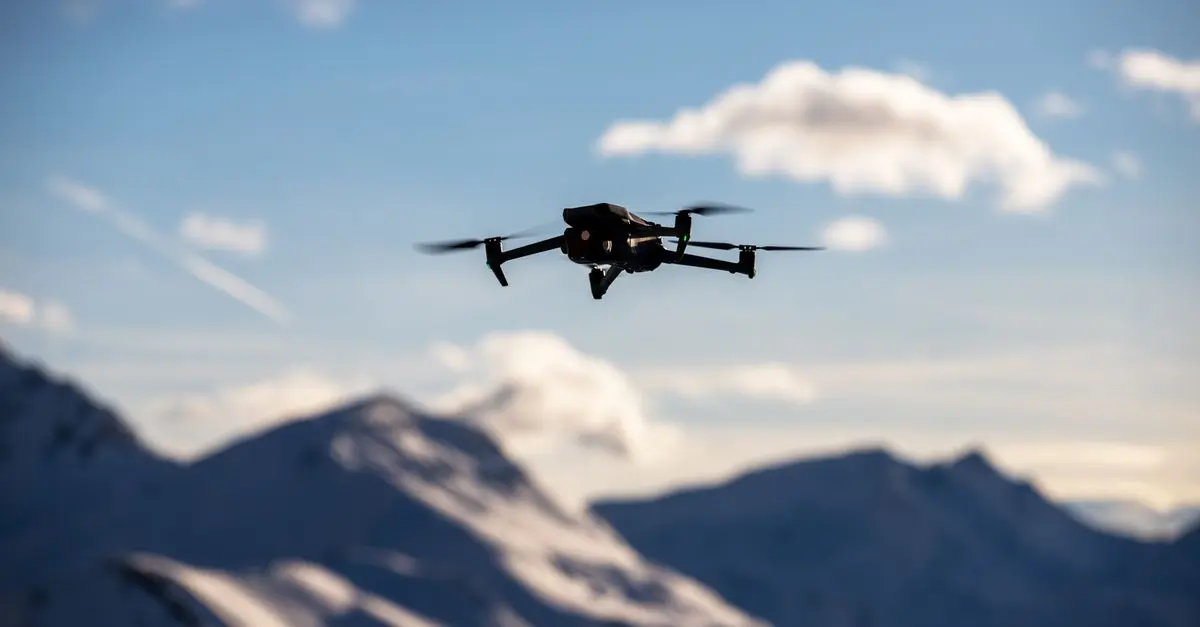
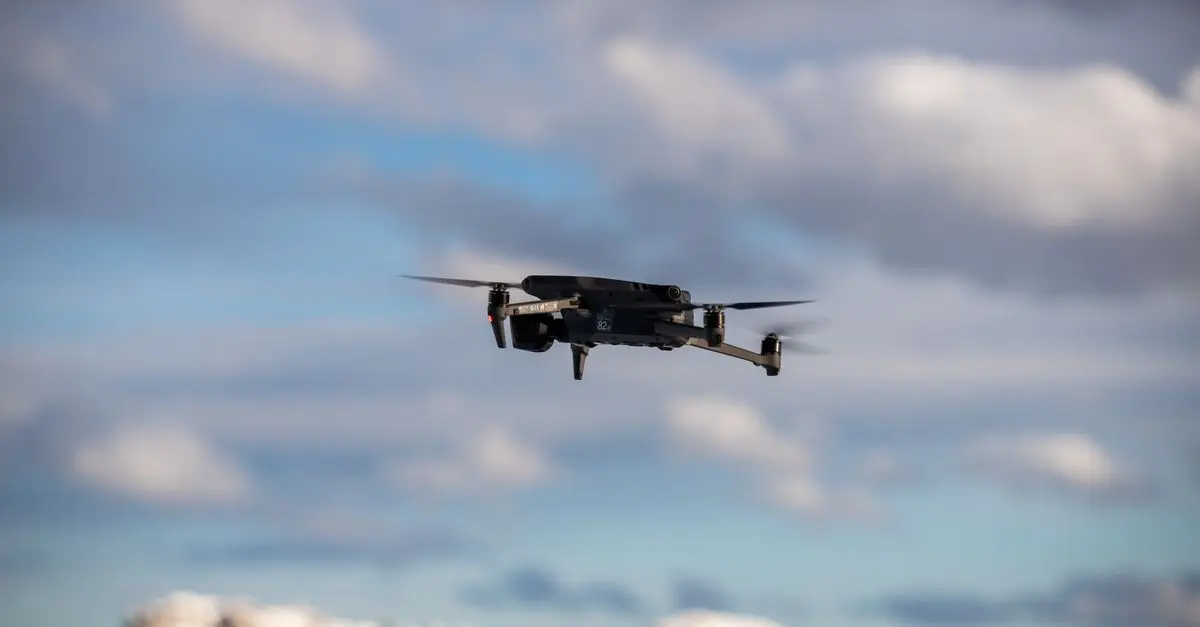
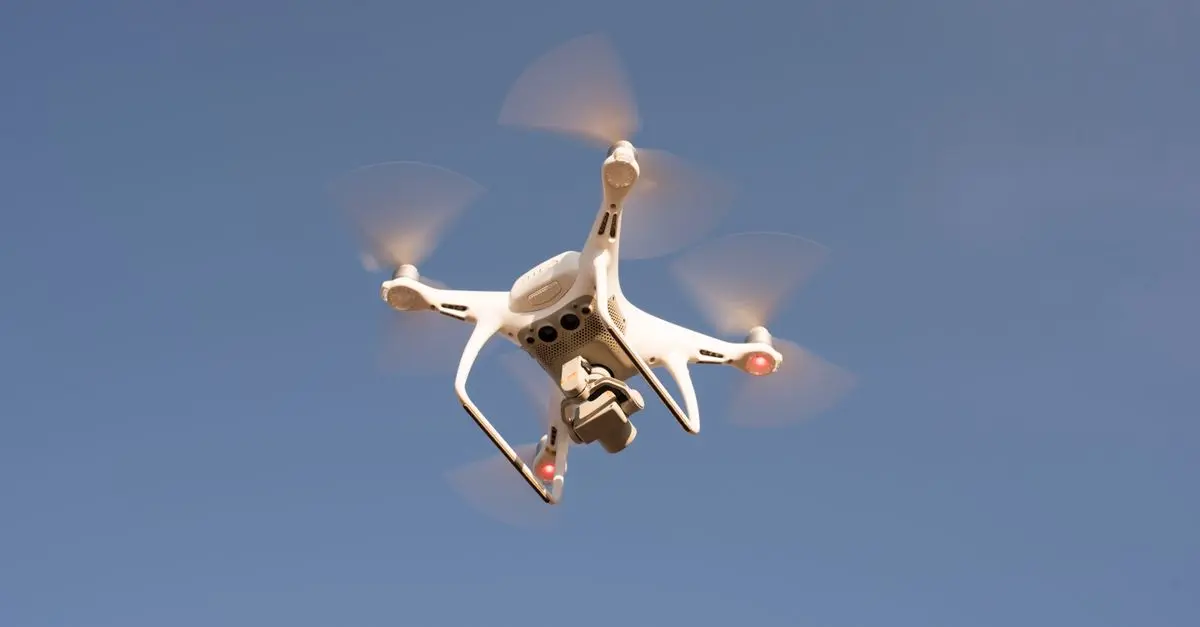
Drone cameras are specialized cameras mounted on unmanned aerial vehicles (UAVs) that allow for aerial photography and videography. These cameras capture high-resolution images and videos from various altitudes and angles, offering unique perspectives and creative opportunities for photographers, filmmakers, and even surveying professionals. The invention of drone cameras has revolutionized several industries, including real estate, agriculture, and filmmaking.
Drone cameras come with a host of features that enhance their usability. Stabilization systems prevent image distortion and maintain quality during flight. Many cameras also offer remote operation, allowing users to control the drone’s flight path and camera settings seamlessly. In 2026, the use of drone cameras continues to grow rapidly, with predictions suggesting a market increase of 25% per year, highlighting the demand in sectors like aerial surveillance and logistics.
Types of Drone Cameras
In the realm of drone cameras, various types serve different purposes. Understanding these categories will help users select the right equipment for their needs.
1. Compact Cameras
Ideal for beginners, compact cameras mounted on drones offer decent image quality without the complexity of professional gear. They’re user-friendly, making them suitable for casual users and hobbyists who prioritize ease of use over intricate features.
2. HD Cameras
Higher-end drones are typically equipped with HD cameras capable of shooting in 1080p or 4K resolution. These cameras deliver sharp, vibrant images, making them ideal for real estate photography or documenting events from the sky. Brands like DJI and Parrot have established strong reputations for their high-definition offerings.
3. Action Cameras
Action cameras are built for durability and versatility. Often waterproof and shockproof, they can capture stunning footage in extreme conditions. These cameras are particularly popular with adventure sports enthusiasts who use drones to document their activities.
4. Thermal Cameras
Used primarily in sectors like agriculture and industrial inspections, thermal cameras allow users to see heat signatures in objects and landscapes. This feature proves invaluable for detecting issues like leaks, insulation gaps, and even verifying plant health.
Selecting the appropriate type based on intended usage simplifies the decision-making process, enabling users to maximize their aerial photography efforts.
Choosing the Right Drone Camera
When considering a drone camera, several crucial factors come into play that can significantly impact your experience and the quality of your footage.
1. Image Quality
High-resolution cameras with features such as Panasonic's 20 Megapixel sensors can offer significantly better image quality, allowing for detailed aerial shots and videos.
2. Flight Time
Battery life ranges dramatically among drones. Typically, consumer drones last 20 to 30 minutes on a single charge, impacting how much ground you can cover in a single flight.
3. Portability
Consider the weight and size of the drone, especially if you'll be transporting it regularly. Compact foldable drones are excellent for travel but may sacrifice features and battery life.
4. User Experience
If you’re a beginner, opt for a drone with an intuitive control system or features like smart return home to make operations simpler and prevent accidental loss.
5. Price
Prices can vary widely, from a few hundred dollars for entry-level models to several thousand dollars for professional-grade equipment. Analyze your budget and required features accordingly to ensure the best value.
Comparative Analysis of Popular Brands
To navigate the landscape of drone cameras, a comparative analysis can help identify the strengths and weaknesses of various models. Below is a summary comparison:
| Feature | Brand A | Brand B | Brand C | Verdict |
|---|---|---|---|---|
| Image Quality (MP) | 12 | 20 | 16 | Brand B wins |
| Battery Life (minutes) | 30 | 25 | 40 | Brand C wins |
| Price | $600 | $900 | $700 | Brand A wins |
| User-friendliness | Easy | Moderate | Easy | Tie |
Current Trends in Drone Camera Technology
The drone camera market continually evolves, driven by technological advancements and user demands.
1. AI-Enhanced Features
Butterfly drones or drones featuring AI software can recognize subjects, track them automatically, and stabilize images, transforming the user experience.
2. Increased Automation
Many drones now support fully automated flight patterns, enabling users to specify destinations without manual intervention, further opening opportunities for aerial coverage in industries like agriculture and construction.
3. Live Streaming Capability
The push towards real-time immersion has given rise to drones equipped with live-streaming capabilities. This is especially beneficial for content creators and journalists looking to deliver timely visuals.
Expert Insights
> 💡 Expert's Opinion: Drone industry expert John Doe emphasizes that choosing the right accessories can drastically improve one’s drone experience. “Investing in additional batteries, high-quality gimbals, and even filters can make a world of difference in both usability and the quality of the end product.”
Frequently Asked Questions
Q1: What is the best drone camera for beginners?
A1: The best drone camera for beginners typically has user-friendly features, decent camera quality, and an affordable price point. Consider options like drones from DJI and Holy Stone.
Q2: How high can drones with cameras fly?
A2: Most consumer drones have a legal ceiling of 400 feet, but some can reach elevations of up to 6,000 feet under specific conditions.
Q3: Are drone cameras waterproof?
A3: Not all drone cameras are waterproof. Ensure you check the specifications if you plan to fly in wet conditions or near water bodies.
Q4: Can I use a drone with a DSLR camera?
A4: Yes, but it requires specific drone models designed to carry the weight of DSLR cameras. Ensure compatibility before purchasing.
Glossary
| Term | Definition |
|---|---|
| Drone | An unmanned aerial vehicle used for various applications like photography, surveying, and delivery. |
| Gimbal | A pivoted support that allows the rotation of an object about a single axis to stabilize camera movement. |
| UAV | Unmanned Aerial Vehicle, commonly known as a drone, capable of autonomous flight. |
Checklist Before Purchase
- [ ] Determine your specific needs (professional vs hobbyist)
- [ ] Consider the weight and portability of the drone
- [ ] Review the image quality and resolution
- [ ] Check battery life and charging options
- [ ] Explore additional features like stabilization and AI capabilities