Table of Contents (11 sections)
What is Drone Technology?
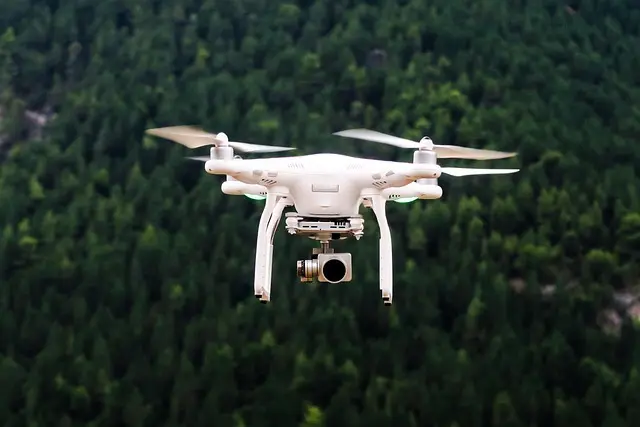
Drone technology refers to the development and use of unmanned aerial vehicles (UAVs), which can be remotely controlled or autonomously operated. These versatile devices have gained immense popularity in various fields including photography, agriculture, and even delivery services. A key benefit of drones is their ability to capture data quickly and efficiently, which is reshaping industries like construction and logistics. Moreover, the global drone market is expected to reach $42 billion by 2026, driven by technological advancements and increased adoption across sectors according to market research reports.
Understanding drone technology is essential for beginners as it opens up exciting opportunities. For example, the integration of drones in agriculture allows farmers to monitor crop health and optimize irrigation, potentially increasing yields. Additionally, in the film industry, drones have transformed cinematography by providing unique aerial shots that were previously only achievable through helicopters.
How to Choose the Right Drone
Selecting the right drone is crucial for new users. To start, it’s important to consider your primary purpose for the drone. Are you interested in aerial photography, racing, or surveying land? This determination will guide your specifications choices. Here’s a breakdown of essential features that beginners should focus on:
| Feature | Description | Importance |
|---|---|---|
| Camera Quality | Look for high-resolution capabilities if photography or videography is your goal. | Crucial for visual drones |
| Battery Life | Longer flight times maximize your experience, especially for exploratory use. | Important for usability |
| Ease of Use | Features like automatic landing and GPS help beginners control their drones better. | Very important for beginners |
| Price | Set a budget; beginner drones can range from $100 to $1,000. | Affected by features |


Getting Started with Drone Regulations
Before flying your drone, it’s essential to understand local regulations. In many countries, drone operators must register their drones and adhere to specific guidelines to ensure safety and compliance with aviation laws. For example, in the United States, the Federal Aviation Administration (FAA) mandates that all drones over 0.55 pounds must be registered.
Moreover, regulations often dictate no-fly zones which may include spaces near airports or public events. Familiarizing yourself with these rules can prevent legal issues and promote safe flying practices. Consider using resources like the FAA’s B4UFLY app which provides updates on airspace restrictions and safety tips.
Statistical Insight: According to a 2025 report by UAV Coach, approximately 25% of drone operators faced fines due to ignorance of regulations. This statistic underscores the importance of thorough research before launch.
Essential Drone Accessories
Accessories can significantly enhance your drone flying experience. Here are some must-have items:
- Extra Batteries: Longer flight times are achievable with additional batteries, especially for long-term use in photography or inspections.
- Carrying Case: Protect your investment with a sturdy, padded case that makes transporting your drone safe.
- SD Cards: Depending on your drone's camera, high-capacity SD cards are crucial for storing high-quality images and videos.
- Propeller Guards: These are particularly helpful for beginners to avoid damage during crashes.
Expert Insight: Adding accessories not only improves the functionality of your drone but also enhances your overall experience, making it easier to explore various aspects of drone technology.
Learning to Fly Your Drone
Mastering the art of flying a drone takes practice, but with a few tips, beginners can accelerate their learning curve. Start by practicing in open areas away from obstacles. Utilize flight simulators available online or through applications that mimic real flying conditions. This practice can prepare you for actual flying without the risk of crashing your new device.
Common Mistakes to Avoid:
- Ignoring Battery Levels: Always keep an eye on the battery percentage to avoid crash landings.
- Flying During Bad Weather: Windy or rainy conditions can drastically affect your drone’s performance.
Checklist for Beginners:
- Ensure your drone is fully charged.
- Familiarize yourself with the controls before takeoff.
- Start with simple maneuvers before trying advanced techniques.
Drone Maintenance Tips
Proper maintenance is crucial for maximizing your drone's lifespan and ensuring safe operations. Regularly check propellers, battery health, and motor efficiency. Additionally, ensure that your firmware is up to date to benefit from the latest features and safety improvements.
Quick Maintenance Tips:
- Clean your drone after every flight to prevent dirt buildup.
- Store your drone in a cool, dry place to protect it from environmental damage.
Checklist Before Your First Flight
- [ ] Research local regulations and register your drone.
- [ ] Choose a wide, open area for your first flight.
- [ ] Charge your batteries and pack extras.
- [ ] Update your drone’s firmware.
- [ ] Inspect your drone for any damage or issues before takeoff.
- [ ] Set up a flight plan or goals for your initial flight to ensure productive use.
🧠 Quick Quiz: What is the primary purpose of registering a drone?
- A) To access special features
- B) To follow safety regulations
- C) To increase battery life
Answer: B — Registering ensures compliance with regulations that enhance safety.
Glossary
| Term | Definition |
|---|---|
| UAV | Unmanned Aerial Vehicle; another term used for drones. |
| Firmware | Software that controls the drone hardware and functionalities. |
| No-Fly Zone | An area where drone flight is restricted or prohibited for safety reasons. |
📺 For further exploration: [How to Successfully Fly Your Drone for the First Time], an in-depth analysis on flying techniques. Search on YouTube: "how to fly a drone for the first time".
In conclusion, diving into drone technology opens exciting possibilities. From aerial photography to advanced automation applications, the potential is vast. By following these guidelines and using the recommended products, you can embark on a rewarding journey into the world of drones. Happy flying!
📺 Pour aller plus loin : how to fly a drone for the first time sur YouTube
Recommended products
Selected by our experts
Beginner German 101
Alison US CA
This beginner's course on drone technology provides foundational knowledge that is essential for understanding drone operations.
Mastering AutoCAD: From Beginner to Pro
Alison US CA
Learning AutoCAD can be beneficial for those looking to incorporate drones into design or mapping projects.