Table of Contents (9 sections)
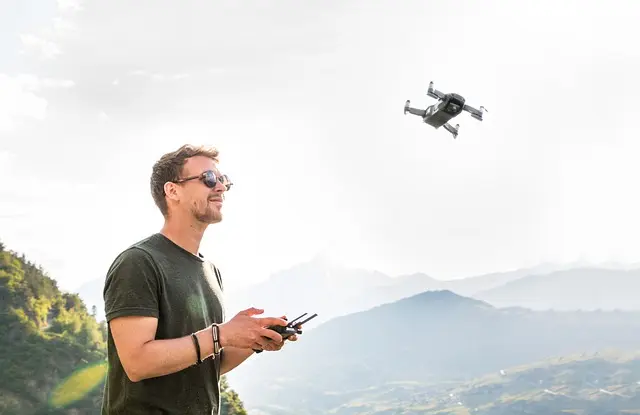
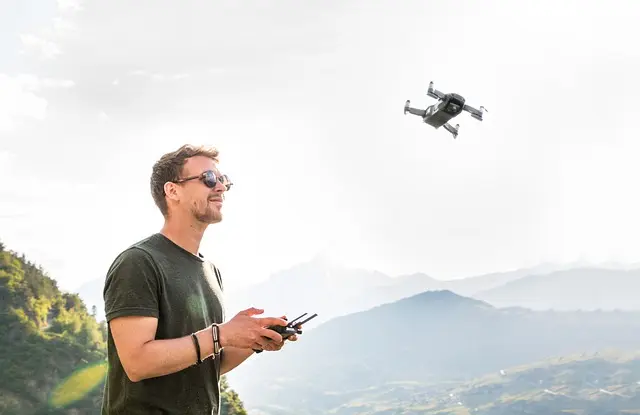
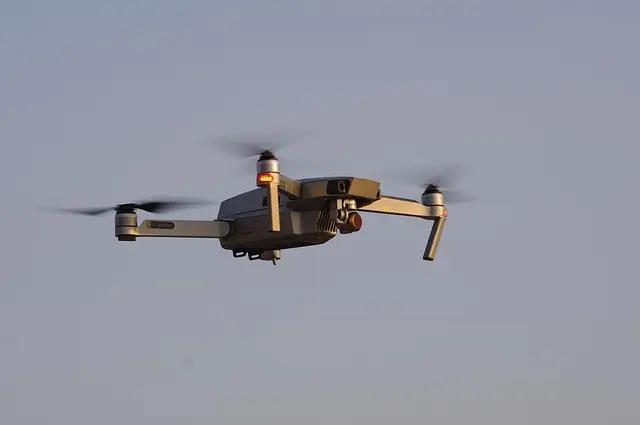
Drone technology has significantly evolved over the past few years, becoming an integral part of numerous industries such as agriculture, delivery services, and aerial photography. At its core, drone technology involves the use of unmanned aerial vehicles (UAVs) equipped with advanced sensors and software systems. These innovations have enabled drones to perform complex tasks autonomously, revolutionizing the way we approach a variety of applications.
The importance of drone technology lies in its versatility and efficiency. Businesses can leverage drones to enhance precision in tasks such as crop monitoring or infrastructure maintenance, effectively reducing operational costs. Furthermore, drones equipped with high-definition cameras and thermal imaging sensors provide critical data that can aid in decision-making, showing a clear advantage over traditional methods.
By 2026, the global drone market is predicted to reach approximately $63 billion, reflecting a growing acceptance and integration of this technology across sectors. This shift not only promotes innovation but also ensures that businesses remain competitive in a fast-paced market.
According to UFC-Que Choisir, the integration of AI and IoT in drones allows for better analytics and the capability to operate in complex environments. It’s evident that the advancements in drone technology are not just confined to hardware but extend into software enhancements, making them smarter and more capable.
Cutting-Edge Advancements in Drone Autonomy
One of the most essential areas of drone technology innovations is autonomy. Today’s drones are increasingly operated using artificial intelligence (AI) and machine learning algorithms that facilitate autonomous decision-making. Such advancements enable drones to adapt to dynamic environments without real-time human control.
For instance, drones in agriculture can autonomously navigate fields, identifying areas needing attention based on data collected through multispectral imaging. This capability not only helps in accurate farming but also fosters sustainable practices by minimizing the use of pesticides and fertilizers. Based on findings from Les Numériques, autonomous drones are expected to reduce farming costs by up to 30% and increase yield efficiency.
Additionally, urban planning is experiencing transformation through autonomous drone technology. Drones are being used to survey land, create 3D maps, and assist in construction projects, thereby enhancing the efficiency of urban development. These technological improvements affirm that drones are not only effective tools but also significant enablers of progress across various fields.
Comparing Drone Models and Their Features
When considering drone technology innovations, it’s essential to understand the differences between various models based on their intended use, features, and cost-effectiveness. Below, we provide a comparative view of some popular drone types:
| Feature/Model | Agricultural Drones | Delivery Drones | Recreational Drones | Industrial Drones |
|---|---|---|---|---|
| Payload Capacity | Up to 50 lbs | Up to 5 lbs | Up to 3 lbs | Up to 100 lbs |
| Flight Time | 30-50 mins | 20-30 mins | 30-40 mins | 45-90 mins |
| Range | 3 miles | 6-10 miles | 2 miles | 10-15 miles |
| Camera Quality | High-resolution sensors | Mid-range quality | HD video capability | 4K video capability |
| Verdict | Ideal for precision farming | Best for last-mile logistics | Great for entertainment | Perfect for surveying and inspections |


Adata ai910 mfi certifié 3 voies transférés lightning lecteur avec les cartes sd carte microsd pour ios, ipad, iphone, mac et pc
Darty FR

Impact of Regulations on Drone Innovations
As drone technology continues to advance, regulatory frameworks are also evolving to ensure safe and efficient airspace usage. In 2026, governments worldwide are focusing on establishing regulations that address the growing number of drone operations, particularly in urban settings. According to the European Union Aviation Safety Agency (EASA), new rules designed to manage air traffic for multiple drones safely are expected to be implemented.
These regulations will play a crucial role in defining operational areas, flight restrictions, and safety standards, ensuring that drone technology is used responsibly. Furthermore, industries that deploy drones will need to adapt to comply with these standards, making regulatory compliance a significant factor in driving innovation.
Adjustments in regulations could lead to an increase in drone delivery services, thus impacting e-commerce positively by client satisfaction through enhanced delivery speed and efficiency. The symbiotic relationship between regulations and innovation in drone technology is crucial for unlocking the full potential of this technology while ensuring public safety.
Future Predictions in Drone Technology Innovations
Looking ahead, the trajectory of drone technology innovations appears promising. Industry experts predict that advancements will lead to increased connectivity and integration of drones with other technologies like 5G, further elevating their capabilities. For instance, the incorporation of 5G networks will allow for real-time data transmission and processing, dramatically improving autonomous drone operations.
Moreover, enhanced battery technologies could prolong flight times and payload capacities. According to a report by 60 Millions de Consommateurs, solid-state batteries are anticipated to be the game-changer in the drone industry by 2027, potentially doubling current flight durations. This innovation could allow drones to operate over greater distances, enhancing their utility in various sectors, such as emergency services and infrastructure monitoring.
As we progress further into 2026, stakeholders must continuously adapt to these technological advancements to maximize drone capabilities and minimize challenges. Innovators in the field need to focus on user needs, regulatory compliance, and integration with existing systems to ensure smooth transitions into new operational paradigms.
📺 Resource Video
> 📺 For more in-depth explorations of the latest developments in drone technology, check out: [Latest Drone Innovations Overview], a comprehensive video covering essential advancements in the market. Search on YouTube: latest drone technology innovations 2026.
Glossary
| Term | Definition |
|---|---|
| Autonomous Drones | Drones that can operate without human intervention based on pre-programmed instructions or AI. |
| Multispectral Imaging | Technology that captures image data at specific wavelengths across the electromagnetic spectrum, crucial for agriculture and environmental monitoring. |
| Payload Capacity | The maximum weight a drone can carry, impacting its range and operational effectiveness. |
Checklist Before Purchase
- [ ] Assess the drone's payload capacity for your needs.
- [ ] Verify flight time and range based on usage.
- [ ] Consider the camera quality and features required.
- [ ] Research compliance with local regulations.
- [ ] Compare different models to find the best fit.
In conclusion, drone technology innovations are at the forefront of transforming industries and improving efficiencies. Staying informed about these advancements and understanding their implications will be key for businesses and consumers alike. Explore our recommendations for relevant products below to enhance your drone experience.
Recommended Products
- - - ---
📺 Pour aller plus loin : latest drone technology innovations 2026 sur YouTube
Recommended products
Selected by our experts
Jupiter Creations Inc RC Rocket Drone
sharperimage.com
This drone is perfect for enthusiasts looking to experience advanced aerial capabilities.
Adata ai910 mfi certifié 3 voies transférés lightning lecteur avec les cartes sd carte microsd pour ios, ipad, iphone, mac et pc
Darty FR
An essential tool for managing and transferring your drone footage seamlessly.
Kingston Technology FURY 16GB 3200MT/s DDR4 CL20 SODIMM Impact
Topbiz FR
Ideal for anyone using high-performance software in drone operations.