Table of Contents (11 sections)
In recent years, the integration of drones into smart city development has revolutionized how urban areas function. Drones facilitate enhanced data collection, which in turn improves decision-making processes for city planners and officials. According to a report by McKinsey in 2026, the drone market for urban applications is expected to grow by over 25% annually, indicating a strong trend in leveraging aerial technology to address various urban challenges. By utilizing drones, cities can optimize resources, improve public safety, and enhance the quality of life for residents.
What Are Drones in Smart City Development?
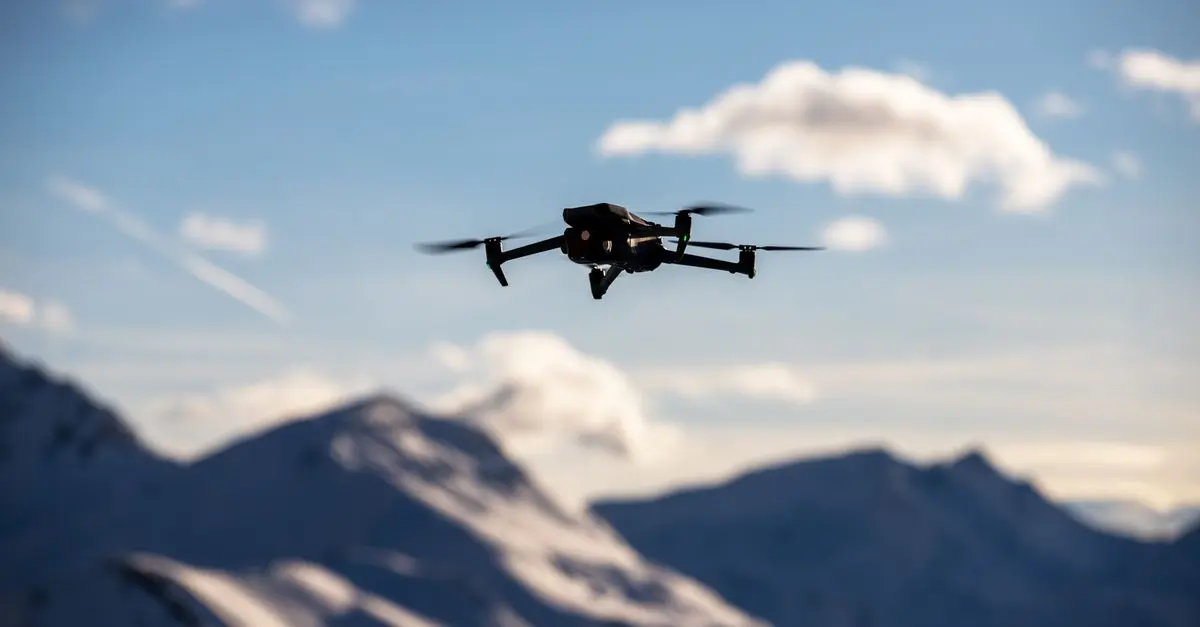
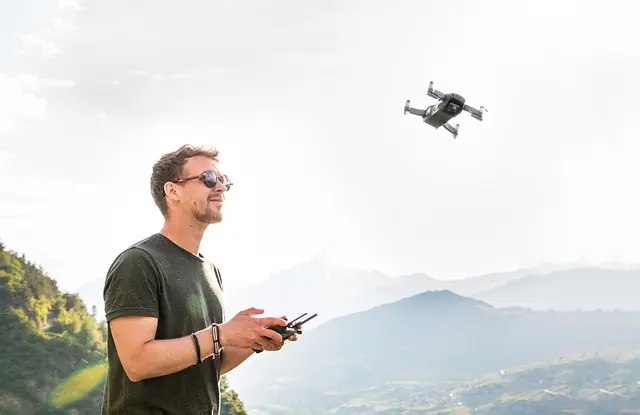
Drones, or unmanned aerial vehicles (UAVs), are aircraft that operate without a human pilot on board. In the context of smart city development, they are employed for various purposes such as surveillance, infrastructure inspection, traffic monitoring, and environmental monitoring. Drones collect real-time data, which is essential for the planning and management of urban environments.
For instance, cities have begun using drones to inspect bridges and buildings, ensuring structural integrity without the need for scaffolding. This not only saves time and reduces costs but also minimizes risks associated with manual inspections. In cities like Singapore, drones are integral to their urban planning initiatives, assisting in the analysis and management of complex urban landscapes.
Step-by-Step: Implementing Drones in Urban Planning
Implementing drones in smart city development is a structured process that involves several key steps:
- Define Objectives: Identify what urban challenges the city aims to address with drone technology, such as traffic management or environmental assessments.
- Select Drone Technology: Choose appropriate drone models and software that align with the city's needs. Consider factors like payload capacity, flight time, and camera quality.
- Regulatory Compliance: Ensure that all drone operations comply with local, state, and federal regulations. This includes obtaining necessary permits and adhering to privacy laws.
- Training and Deployment: Train personnel in drone operation and data analysis, ensuring they understand safety protocols and how to interpret collected data effectively.
- Data Integration: Integrate the data collected from drones into existing city management systems, facilitating real-time decision-making.
- Continuous Evaluation: Regularly evaluate the effectiveness of drone usage in addressing urban challenges and adjust strategies as needed.
By following these steps, cities can harness the full potential of drones to enhance operational efficiency and citizen engagement.
Comparison: Traditional Methods vs. Drone Technology
To better understand the advantages drones offer over traditional methods in urban development, let's compare the two:
| Aspect | Traditional Methods | Drone Technology |
|---|---|---|
| Cost | High maintenance and safety costs | Lower operational costs with reduced manpower requirements |
| Data Collection | Manual, often slow and limited | Rapid, extensive coverage with real-time data |
| Efficiency | Time-consuming and labor-intensive | Fast and comprehensive analysis |
| Safety | Higher risk for inspectors | Minimizes human exposure to dangerous areas |
Data-Driven Insights on Drone Usage in Smart Cities
In recent years, numerous studies have showcased the effectiveness of drones in urban environments. A study by the Urban Institute revealed that cities using drones for infrastructure monitoring saved up to 20% in maintenance costs due to improved asset management strategies. Another report from Deloitte highlighted that drone-assisted traffic monitoring and analysis can decrease congestion by as much as 15%.
Moreover, the Federal Aviation Administration (FAA) reported in 2025 that drone deliveries, including medical supplies and essential goods, improved response times in emergencies by 30%. These statistics underscore the impact of drones on urban efficiency and overall quality of life for residents.
Expert Opinions on Drone Integration in Urban Areas
> 💡 Expert Insight: Dr. Emily Thompson, a leading urban technology researcher, states: “Drones are not just a novelty; they are becoming a crucial element in urban planning. Cities that embrace this technology stand to benefit considerably from increased efficiency and reduced costs. The potential for improved public safety and quick data acquisition can fundamentally change how cities operate.”
This perspective emphasizes the importance of adapting to technological advancements in urban policy and infrastructure implementation.
Q: What is the primary benefit of drones in urban management?
A: Drones provide real-time data for more effective decision-making and can reduce costs and risks associated with traditional methods.
Q: Are there any legal restrictions on drone usage in smart cities?
A: Yes, drone operations are subject to regulations at local, state, and federal levels, including privacy laws and airspace regulations.
Q: How do drones improve emergency response in urban areas?
A: Drones enable faster delivery of essential supplies and can survey situations from the air, providing crucial information for first responders.
Q: What type of data can drones collect for urban planning?
A: Drones can capture high-resolution images, monitor traffic patterns, assess environmental conditions, and conduct asset inspections.
📺 Resource Vidéo
> 📺 To dive deeper: “How Drones are Transforming Urban Life”, a comprehensive overview of drone applications in cities. Search on YouTube: drones smart city development 2026.
Glossaire
| Terme | Définition |
|---|---|
| Drone | Unmanned aerial vehicle used for various applications such as surveillance and monitoring. |
| Smart City | An urban area that uses technology to enhance performance and well-being, focusing on sustainability.
| Urban Planning | The process of designing and regulating land use in urban environments to ensure sustainable growth. |
Checklist before Adoption
- [ ] Assess current urban challenges
- [ ] Research potential drone technologies
- [ ] Comply with regulatory requirements
- [ ] Plan training programs for staff
- [ ] Evaluate data integration options
- [ ] Monitor effectiveness regularly
Through the strategic integration of drones in smart city development, municipalities can enhance infrastructure, improve efficiency, and ensure sustainable growth, ultimately leading to better urban living for all. Embracing these advancements presents a significant opportunity for transformative change in urban management practices.
Conclusion
Drones represent a vital technology in the advancement of smart cities, streamlining operations, and significantly enhancing urban quality of life. As cities continue to evolve, drone technology will undoubtedly be a cornerstone for future development efforts.
📺 Pour aller plus loin : how drones are transforming urban environments 2026 sur YouTube