Table of Contents (10 sections)
In recent years, the integration of drone technology into logistics has significantly transformed various sectors, particularly e-commerce. As online shopping continues to ascend, the demand for efficient, rapid delivery methods has never been greater. Drones are emerging as a pioneering solution, capable of overcoming traditional logistics challenges. This article delves into the various ways drone technology is impacting e-commerce growth, from improving delivery speeds to enhancing customer satisfaction.
What is Drone Technology?
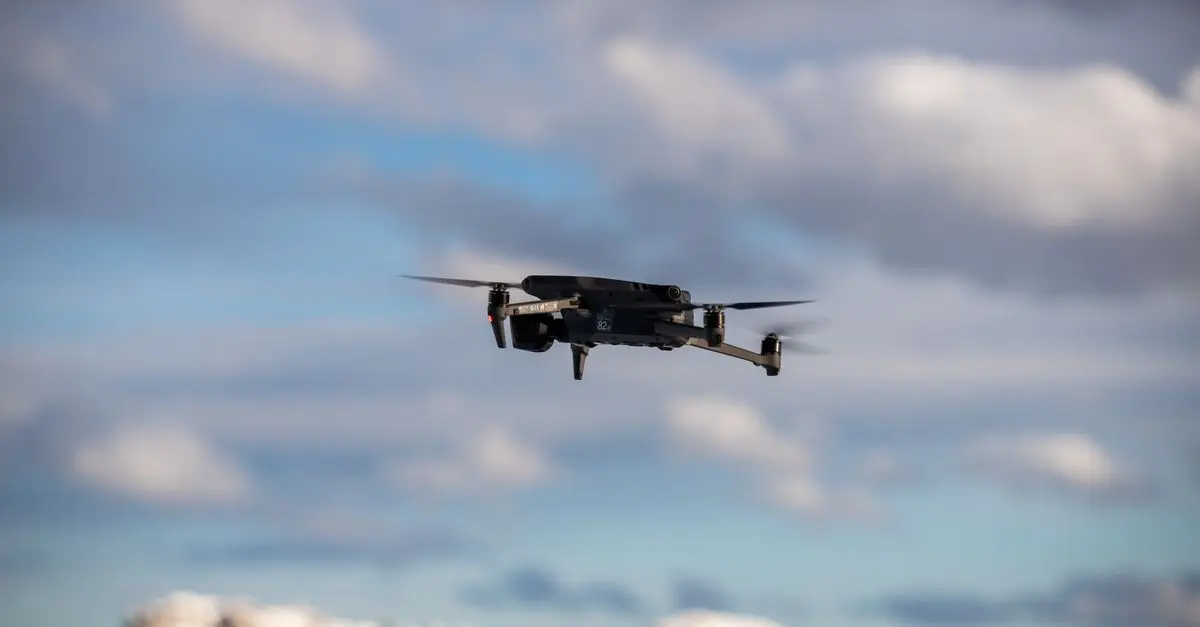
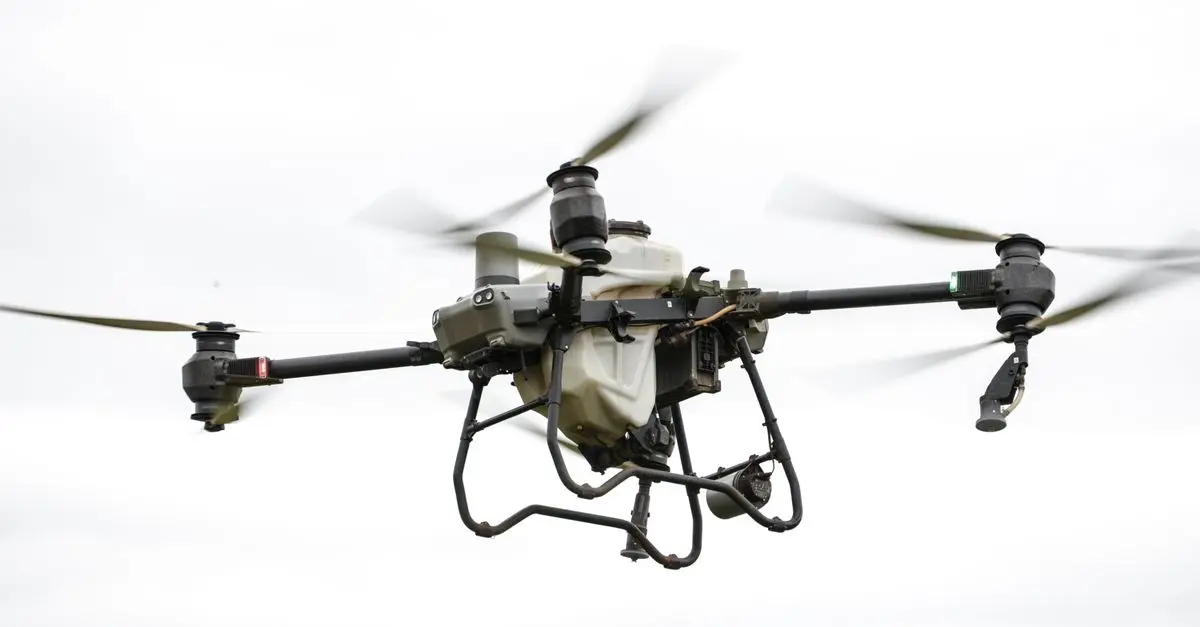
Drone technology refers to the use of unmanned aerial vehicles (UAVs) to perform various tasks, including shipping, surveillance, and data collection. In the context of e-commerce, drones serve primarily as delivery vehicles, transporting packages directly to customers’ doorsteps. Their autonomous capabilities allow for expedited deliveries, often reducing what previously took days into mere hours. This technology harnesses advancements in navigation, automation, and battery efficiency, making drones not just a novelty but a practical logistics tool. According to an industry report from Statista, the global drone logistics market value is projected to reach approximately $29 billion by 2026, showcasing the significant role they play in shaping future delivery methods.
Advantages of Drones in E-Commerce
The advantages of utilizing drones in e-commerce are substantial. Firstly, speed is a crucial factor. Drones can bypass congested roadways and reduce delivery times, which is vital for customer satisfaction. For instance, Amazon has tested drone deliveries that promise package arrival within 30 minutes of ordering. This rapid response caters to the growing consumer expectation for faster service, positioning companies that adopt drones ahead of competitors.
Moreover, drones can significantly lower shipping costs. Traditional logistics involves multiple steps, each incurring operational expenses, including labor, fuel, and vehicle maintenance. Drones streamline the delivery process by minimizing the need for these resources. According to estimates from McKinsey, companies could see $50 billion in savings annually through drone deliveries when implemented at scale. This reduction in costs allows e-commerce businesses to pass savings onto customers, leading to competitive pricing that can drive sales.

Kingston Technology ValueRAM 8 Go 1x8 Go DDR5 5600 MT/s 262-pin SO-DIMM
Topbiz FR

Challenges in Implementing Drone Delivery
Despite the numerous benefits, integrating drone technology into e-commerce logistics is laden with challenges. Regulatory hurdles represent the most significant barrier; many countries are still determining how to integrate drones safely into their airspace. For instance, the U.S. Federal Aviation Administration (FAA) has set stringent guidelines that companies must adhere to, including limited operating hours and restricted flight areas.
Additionally, technological limitations such as battery life and payload capacity also hinder the widespread adoption of drones for delivery. Most current drone models can only carry lightweight packages, which limits the range of products that can be delivered using this method. As technology evolves, innovative solutions are being developed to address these limitations, including hybrid models that can switch between flying and driving.
Comparing Drone Delivery vs. Traditional Delivery Methods
| Criteria | Drone Delivery | Traditional Delivery | Verdict |
|---|---|---|---|
| Speed | High, often under 30 mins for local areas | Moderate, typically 1-3 days | Drones outperform traditional methods |
| Cost | Lower long-term operational costs | Higher costs due to labor and vehicles | Drones have a financial advantage |
| Payload Capacity | Limited to small packages | Capable of handling large shipments | Traditional is more versatile |
| Regulatory Compliance | Stringent and evolving | Established but can be slow to adapt | Both face significant hurdles |
Expert Opinions on Drone Technology
> 💡 Expert Opinion: In recent discussions at the 2026 International Drone Conference, industry leaders underscored the potential of drone technology to not only meet customer demands but also alleviate burden on existing logistic infrastructures. Experts propose that with the right regulatory frameworks and technological advancements, drones could redefine delivery standards, enhancing both efficiency and user experience.
Q: How fast can drones deliver packages?
A: Drones can deliver packages within 30 minutes in many testing scenarios, significantly faster than traditional delivery.
Q: What are the limitations of drone deliveries?
A: Payload capacity and regulatory restrictions often limit what drones can carry, alongside concerns about airspace regulations.
Q: Are drones safe for package deliveries?
A: While generally considered safe, drones must adhere to strict guidelines to ensure their operations do not interfere with manned air traffic.
Q: How much can companies save using drone deliveries?
A: Companies could potentially save up to $50 billion annually by implementing drone deliveries into their logistics.
📺 Resources Video
> 📺 For further insights: Discover how drone technology is transforming logistics in e-commerce. Search on YouTube: "drone delivery innovations 2026".
Checklist before Buy
- [ ] Consider the delivery speed needed.
- [ ] Review the regulatory status in your area.
- [ ] Assess the weight of the packages typically shipped.
- [ ] Investigate your competitors' delivery methods.
- [ ] Stay updated on technological advancements in drone logistics.
Glossary
| Terme | Définition |
|---|---|
| Drones | Unmanned aerial vehicles used for delivery and various other tasks. |
| Logistics | The detailed coordination of complex operations involving people, facilities, and supplies. |
| Payload Capacity | The maximum weight a drone can carry safely when delivering products. |
In conclusion, drone technology is set to revolutionize the landscape of e-commerce logistics and delivery, enhancing efficiency and addressing modern consumers' demands for speed and cost-effectiveness. As challenges are met with innovative solutions, we will continue to see advancements within this industry, paving the way for a future where drone deliveries become a standard practice. Explore the potential for your business now and consider how adopting drone technology can put you ahead of the competition.
Explore our selection of drone technology-related products to find tools that can assist you in integrating this innovative delivery method into your business strategy.
📺 Pour aller plus loin : drone delivery innovations 2026 sur YouTube
Recommended products
Selected by our experts
Kingston Technology FURY 16GB 3200MT/s DDR4 CL20 SODIMM Impact
Topbiz FR
This product is relevant for enhancing computing power in drone systems for better performance.
Kingston Technology ValueRAM 8 Go 1x8 Go DDR5 5600 MT/s 262-pin SO-DIMM
Topbiz FR
Ideal for upgrading your systems handling drone logistics operations with speed and efficiency.
Kingston Technology FURY Beast 16GB 6400MT/s DDR5 CL32 DIMM RGB EXPO
Topbiz FR
This advanced memory solution helps manage complex logistics software used in drone deployment.