Table of Contents (13 sections)
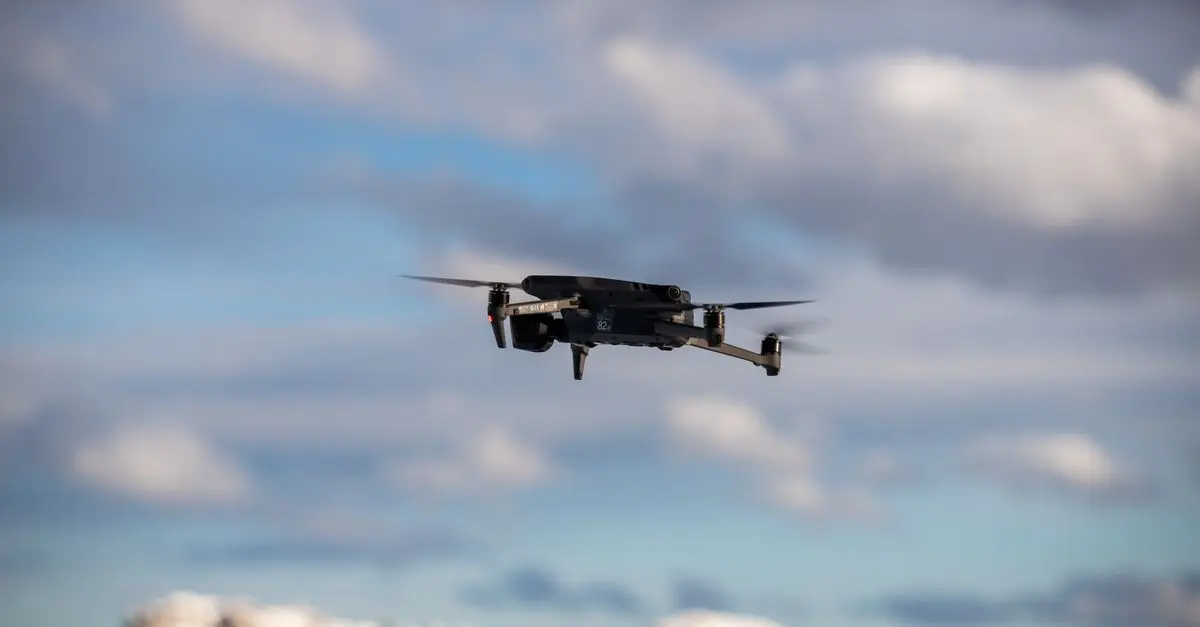
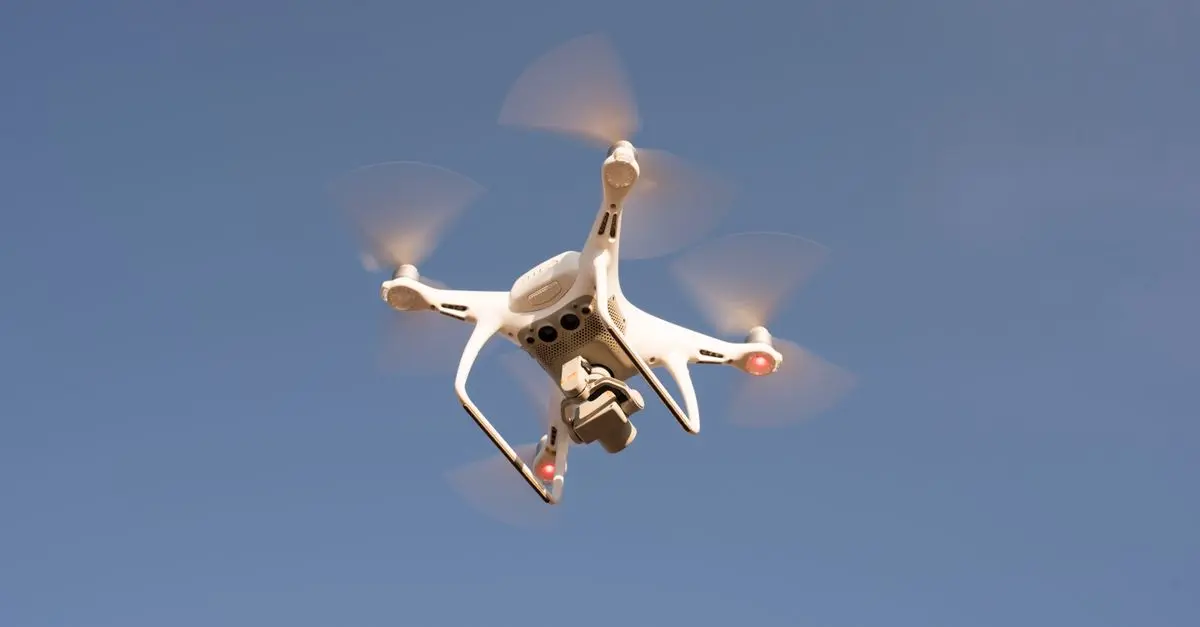
In recent years, drone technology has evolved significantly, influencing various sectors from delivery services to agriculture. As we look to the future, it's clear that several key trends will shape the way drones are utilized and perceived globally.
Major Trends in Drone Technology
1. Advanced Autonomy and AI Integration
Modern drones are increasingly employing artificial intelligence to improve their capabilities. This advancement allows for autonomous navigation, obstacle avoidance, and advanced data processing. Drones equipped with AI can analyze real-time data from their surroundings, enabling them to make instant decisions without human intervention. For instance, in the agricultural sector, drones are utilized for precision farming; they can autonomously survey fields, identify crop health, and even apply pesticides intelligently. A report from Skylogic Research indicates that the market for agricultural drones alone is expected to reach $4.8 billion by 2026. This trend showcases the significant impact that AI-driven systems have on operational efficiency.
2. Enhanced Payload Capacity
As technology progresses, future drones are designed with enhanced payload capacities. This innovation allows drones to transport heavier goods over longer distances, improving applications in logistics, delivery services, and even emergency response. Companies like Amazon and UPS are already experimenting with drone deliveries, aiming to revolutionize the way packages are shipped. With advancements expected to increase payload capacities by up to 50% by 2026, we can anticipate that drone delivery could become commonplace in urban environments.
3. Drone Swarming Technology
The concept of drone swarming involves multiple drones working together to complete a task more efficiently. By coordinating their movements, swarming drones can achieve superior results in areas such as search and rescue operations or large-scale agricultural monitoring. For example, during a search operation, a swarm of drones can cover a larger area in less time than a single unit working alone. Reports from DARPA indicate that drone swarming technology could enhance military operations significantly by providing real-time surveillance and data collection with greater precision.
4. Regulatory Advancements and Air Traffic Management
As drone technology develops, so do the regulations governing its use. In 2026, we expect to see more comprehensive air traffic management systems specifically designed for drones. These regulations aim to enhance safety by integrating drones into the existing aviation frameworks, preventing potential mid-air collisions. The FAA has already made strides with their Remote ID requirement, which mandates that drones broadcast their location to improve tracking capabilities. These regulatory advancements will create a safer environment for both drones and manned aircraft, fostering public trust in drone technology.
5. Endurance and Battery Life Improvements
A critical challenge for drone operations has been battery life. Future designs are expected to integrate advanced battery technologies, such as solid-state batteries, which promise to double the endurance of current drone models. With improvements in battery technology, drones could operate longer without needing to recharge, making them more efficient for applications like monitoring wildlife or delivering supplies in remote areas. As we progress into 2026, advancements in battery technology could result in drones capable of flying for up to 10 hours on a single charge, broadening their applicability tremendously.
6. Environmental Sustainability
The push for environmentally friendly solutions in every sector extends to drone technology. Many manufacturers are now focusing on designing electric drones that produce zero emissions, aligning with global sustainability goals. Companies are also exploring solar power as an energy source for drones, which could extend their operational time and reduce reliance on traditional batteries. According to the International Energy Agency (IEA), the environmental benefits of using drones for deliveries instead of conventional vehicles could reduce carbon emissions by 30% per delivery in urban areas.
📺 Resource Video
> 📺 For further insights: Exploring the Future of Drone Technology provides a comprehensive overview of how innovations in drone tech are transforming industries. Search on YouTube: future drone technology 2026.

Kingston Technology ValueRAM 8 Go 1x8 Go DDR5 5600 MT/s 262-pin SO-DIMM
Topbiz FR
Comparison Table of Current Drone Technologies
| Feature | Traditional Drones | AI-Enabled Drones | Swarming Technology | Future Drones |
|---|---|---|---|---|
| Autonomy | Low | High | Medium | Very High |
| Payload Capacity | 5-10 lbs | 20-50 lbs | 10-30 lbs | Up to 100 lbs |
| Battery Life | 30-60 mins | 60-120 mins | 45-90 mins | Up to 10 hours |
| Environmental Impact | Moderate | Low | Low | Zero emissions |
| Regulatory Flexibility | Limited | Moderate | High | Highly flexible |
Glossary
| Term | Definition |
|---|---|
| Drone Swarming | A technology allowing multiple drones to operate collaboratively to achieve a common goal. |
| Autonomous Navigation | The ability of drones to navigate and operate independently without human intervention. |
| Payload Capacity | The maximum weight a drone can carry while completing its mission. |
Checklist before Buying a Drone
- [ ] Determine the purpose of your drone usage.
- [ ] Check the drone’s payload capacity.
- [ ] Ensure compliance with local regulations and license requirements.
- [ ] Research battery specifications for drone duration.
- [ ] Look for features that enhance safety, such as GPS and obstacle detection.
- What is the future of drone technology?
The future of drone technology lies in advancements like AI integration, improved payload capacities, and sustainable solutions.
- How are drones being used in agriculture today?
Drones in agriculture are used for tasks like field mapping, crop monitoring, and even targeted pesticide application.
- What role do regulations play in the development of drones?
Regulations help manage drone air traffic, ensuring safe operation amongst manned and unmanned aircraft.
- What technologies are driving drone innovation?
Technologies such as AI, advanced battery systems, and swarming capabilities are at the forefront of drone innovations.
📺 Pour aller plus loin : future drone technology 2026 sur YouTube
Recommended products
Selected by our experts
Kingston Technology FURY 16GB 3200MT/s DDR4 CL20 SODIMM Impact
Topbiz FR
High-performance RAM ensures optimal performance for drones equipped with AI and computational tasks.
Kingston Technology ValueRAM 8 Go 1x8 Go DDR5 5600 MT/s 262-pin SO-DIMM
Topbiz FR
Reliable memory is crucial for data processing in drone applications, especially those using advanced sensors.
Kingston Technology FURY Beast 16GB 6400MT/s DDR5 CL32 DIMM RGB EXPO
Topbiz FR
Upgraded memory components enhance the capabilities of high-tech drones for seamless operation.