Table of Contents (27 sections)
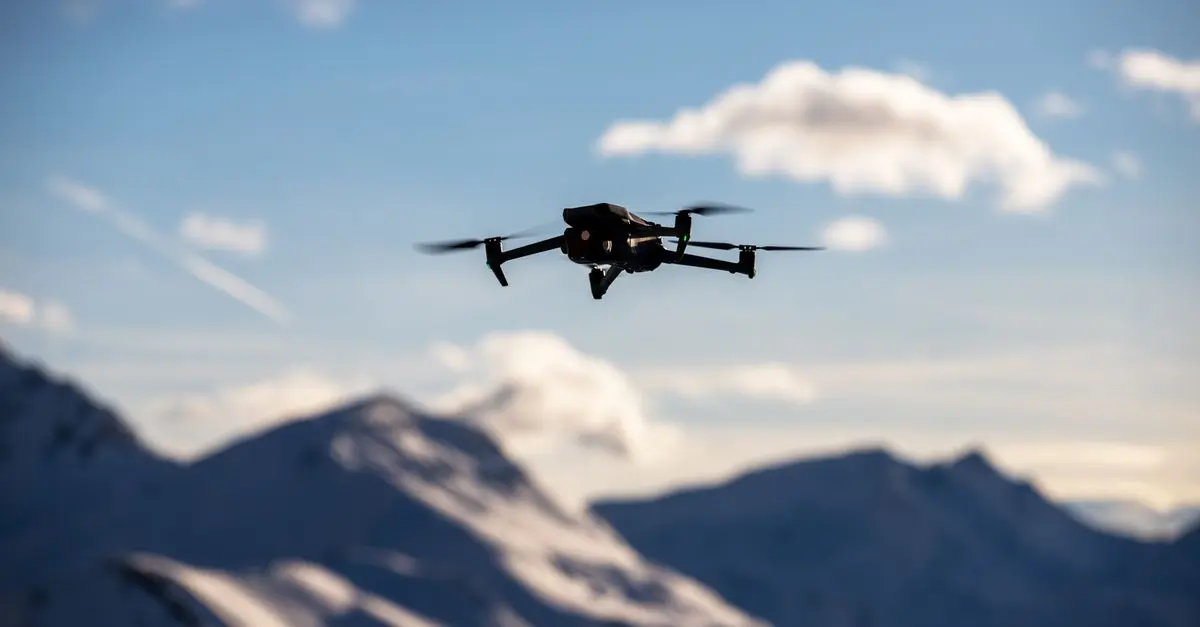
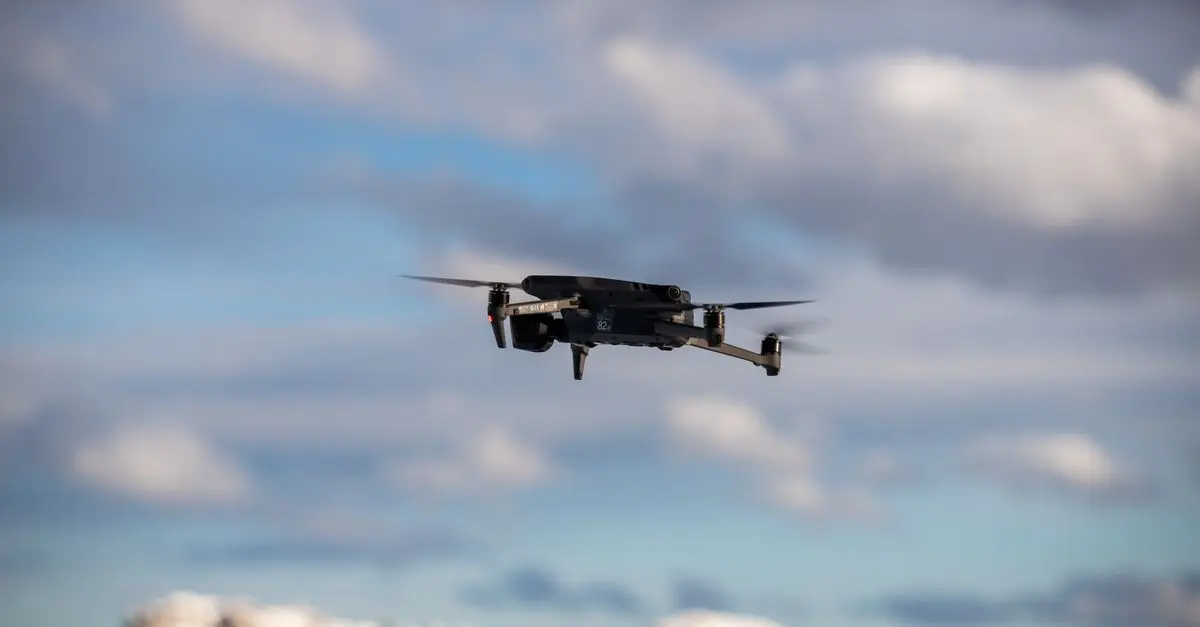
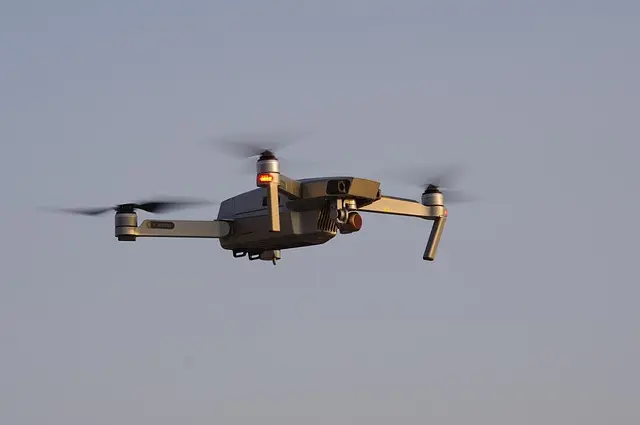
Drone technology has rapidly evolved over the past few years, transforming various industries and improving efficiency in numerous applications. As we delve into 2026, we see several key innovations propelling drones into new territories. This article explores the major advancements that are shaping the future of drone technology innovations, providing insights into their implications and real-world applications.
H2: Enhanced Autonomy in Drones
What is Enhanced Autonomy?
Enhanced autonomy in drones refers to the ability of these flying machines to operate with minimal human intervention. Recent advancements have led to the integration of artificial intelligence (AI) and machine learning algorithms, enabling drones to make real-time decisions based on environmental conditions. Enhanced autonomy is crucial, especially in applications such as search and rescue missions, agriculture, and infrastructure inspection.
Importance of Enhanced Autonomy
The significance of enhanced autonomy lies in its ability to improve operational efficiency and safety. According to a report by NASA, autonomous drones can reduce operational costs by up to 40% while increasing mission success rates. For instance, in agricultural sectors, autonomous drones can monitor crops and optimize pesticide usage without direct human control. Furthermore, their application in disaster response has shown promising results, as they can enter dangerous zones where human presence is risky.
Real-World Applications
In the real world, companies like Amazon and UPS are investing heavily in autonomous drone delivery systems. The expectation is that by 2026, these systems will be commonplace, with vast networks of drones delivering packages to consumers' doorsteps without human operators. This shift not only reduces delivery times but also minimizes carbon footprints, contributing to environmental sustainability.
H2: Advanced Sensor Technology
What are Advanced Sensors?
Advancements in sensor technology are a game-changer for drone applications, allowing drones to gather and analyze data more effectively. Sensors such as LiDAR (Light Detection and Ranging), multispectral, and thermal imaging enable drones to perform complex tasks with heightened accuracy.
Why is it Important?
The integration of advanced sensors enhances drones’ capabilities, particularly in surveying, agriculture, and environmental monitoring. For example, LiDAR-equipped drones can create high-resolution 3D maps of terrain, which is invaluable for construction and land management projects. According to Research and Markets, the drone sensor market is projected to reach $10 billion by 2026, underscoring its growing importance.
Examples of Use Cases
In precision agriculture, drones equipped with multispectral sensors can assess plant health by analyzing light reflected by the crops, allowing farmers to make informed decisions about irrigation and nutrient application. In environmental conservation, drones with thermal cameras are used to track wildlife movements and identify areas at risk of fire, proving their utility in saving lives and preserving ecosystems.


H2: Increased Regulatory Support
What is Regulatory Support?
In response to the rapid integration of drones into everyday life, regulatory bodies worldwide are beginning to develop frameworks to support safe and efficient drone operations. In the U.S., the Federal Aviation Administration (FAA) has initiated programs to facilitate the integration of drone technology into commercial airspace.
The Importance of Regulations
Regulatory support is crucial for the broader acceptance and use of drone technology, particularly regarding safety and privacy concerns. Effective regulations can provide a structured pathway for industries to implement drone solutions without compromising public safety.
Expected Developments
As of 2026, we expect regulations to be more robust, with initiatives like remote identification and operational safety guidelines becoming standardized. Countries like Canada and those in the European Union are also progressing towards harmonizing drone regulations, enhancing international collaboration for technology development and safety measures.
H2: Drone Swarms and Collaborative Operations
What are Drone Swarms?
Drone swarms involve multiple drones working together to complete a task, mimicking behaviors found in nature, such as flocking birds. This technology enables complex operations that require collective intelligence and coordination.
Why is it Important?
The significance of drone swarms lies in their potential to revolutionize fields such as disaster response, agriculture, and surveillance. By collaborating, drones can cover larger areas more efficiently than a single unit. Researchers at the Massachusetts Institute of Technology (MIT) are exploring swarm algorithms to improve efficiency and coverage.
Use Case Examples
In disaster scenarios, drone swarms can quickly assess damage over vast areas, delivering real-time data to rescue teams. Additionally, in agriculture, swarms can jointly monitor crops, enhancing productivity through collaborative efforts.
H2: Integration of AI and Machine Learning
Definition of AI in Drones
The integration of Artificial Intelligence (AI) and machine learning within drone technology is transforming how drones perceive, interpret, and interact with their environment. This innovation allows drones to perform tasks independently, react to dynamic conditions, and learn from their operations.
Importance of AI Integration
The primary significance of AI in drones is the acceleration of efficiency and operational capability. For instance, drones equipped with AI can identify hazards, optimize flight paths in real time, and even predict maintenance needs before they result in equipment failures. According to a study by Deloitte, demand for AI-integrated drones is expected to see a 20% annual growth rate through 2026.
Real-World Implementation
Companies utilizing these advancements include DJI and Skydio, which offer drones capable of navigating complex environments autonomously. These drones are being adopted across sectors, from filmmaking to security surveillance, driving demand higher than ever before.
Table: Comparing Key Drone Technologies
| Technology | Enhanced Autonomy | Advanced Sensors | Drone Swarms | AI Integration |
|---|---|---|---|---|
| Capability | High | Very High | High | Very High |
| Potential Impact | Reduced Costs | Greater Efficiency | Improved Coverage | Enhanced Safety |
| Applications | Delivery, Inspection | Mapping, Monitoring | Disaster Response | Security, Filming |
| Market Projection | $10 billion by 2025 | $10 billion by 2026 | Rapid growth | 20% growth/year |
Q: How do drone swarms operate?
A: Drone swarms mimic natural behaviors, allowing multiple drones to coordinate and complete complex tasks collaboratively.
Q: What regulatory changes are expected for drones?
A: By 2026, we expect global regulatory bodies to establish standardized guidelines for drone operations, enhancing safety and public acceptance.
Q: What industries benefit the most from drone technology?
A: Industries such as agriculture, logistics, and emergency services benefit significantly from advancements in drone technology.
Q: How does AI improve drone functionality?
A: AI helps drones navigate autonomously, predict maintenance needs, and optimize operational efficiency based on real-time data.

Milwaukee Leather 7.4V Men's True All Seasons Leather Jacket with Heated and Cool Technology
thewarmingstore.com

Samsung Laundry Dryer with AI Control and Heat Pump Technology in White(DV25FG62B0BEA2)
samsung.com
Glossary
| Terme | Définition |
|---|---|
| AI (Intelligence Artificielle) | Système informatique capable d'effectuer des tâches normalement requises par l'intelligence humaine. |
| LiDAR | Technologie de télédétection utilisant la lumière pour mesurer des distances et créer des images tridimensionnelles. |
| Swarm Technology | Méthodologie permettant à plusieurs drones de travailler ensemble de manière coordonnée pour accomplir des tâches. |
Checklist avant achat
- [ ] Vérifier les capacités d'autonomie
- [ ] Comparer les technologies de capteurs
- [ ] Explorer les fonctionnalités de collaboration
- [ ] Évaluer les intégrations d'IA
- [ ] Consulter les certifications réglementaires
📺 Ressource Vidéo
For more insights on drone technology innovations, search on YouTube for: "latest drone technology trends 2026".
📺 Pour aller plus loin : latest drone technology trends 2026 sur YouTube
Recommended products
Selected by our experts

Samsung Front Load Washer & Dryer Set with Vibration Reduction Technology+ and Sensor Dry in White(BNDL-1603912197302)
samsung.com

BISSELL CleanView with OnePass Technology Plus Upright Bagless Vacuum Sienna 3583
bissell.com

Clinique Redness Solutions Makeup Broad Spectrum SPF 15 With Probiotic Technology, Calming Honey - 1 fl. oz./30 ml
clinique.com

PLAUD Inc. Plaud Note AI Voice Recorder, Voice Recorder w/Case, App Control, Transcribe & Summarize with AI Technology, Support 112 Languages, 64GB
plaud.ai
Nonin Medical NoninConnect™ Finger Pulse Oximeter with Bluetooth® Smart Wireless Technology
concordhealthsupply.com
Nonin Medical NoninConnect™ Finger Pulse Oximeter with Bluetooth® Smart Wireless Technology
concordhealthsupply.com