Table of Contents (9 sections)
What is a Drone?
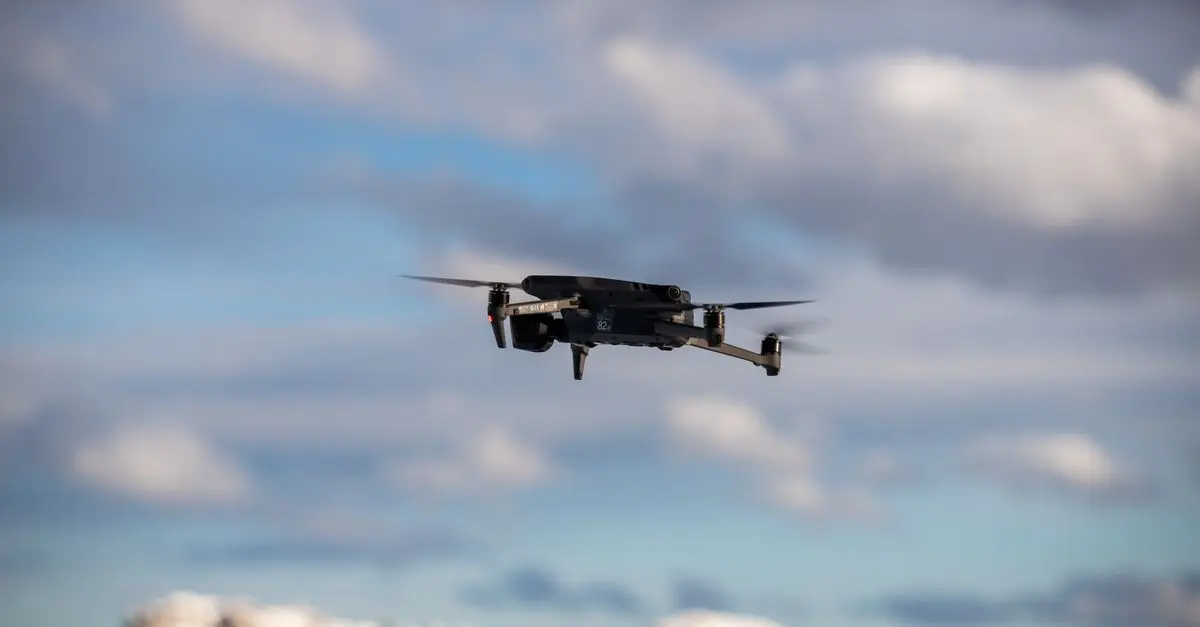
Drones, or Unmanned Aerial Vehicles (UAVs), are versatile flying devices that are remotely controlled by an operator or programmed to fly autonomously. Their applications range from recreational use to commercial purposes such as aerial photography, agriculture, and surveying. According to the Federal Aviation Administration (FAA), the drone market is projected to reach $43 billion by 2025, highlighting the increasing popularity and utility of these devices. As a beginner, understanding the basics of drones will empower you to make informed choices while navigating the vast options available.
Key Features to Consider
When choosing your first drone, several critical features will significantly influence your experience:
- Camera Quality: For aerial photography or videography, the camera's resolution, stabilization, and features like live streaming are essential. Many beginners prefer drones with built-in cameras for easy use.
- Flight Time: The battery life varies across different models, typically ranging from 5 to 30 minutes. Ensure you select a drone that offers sufficient flight time for your intended activities.
- Range: This refers to how far the drone can fly from the controller. Beginners typically enjoy drones with a range that allows easy sight of the unit.
- Ease of Use: Intuitive controls and beginner modes can ease the learning curve. Features such as GPS navigation and automatic return-to-home functionality enhance safety and usability.
- Durability and Build Quality: Beginners might prefer durable drones that can withstand minor crashes. Look for models resistant to wind and weather, especially if you plan to fly in variable conditions.

myFirst Headphones Airwaves - Open-Ear headphones for Kids (Blue) pink
shop.simon.com


myFirst Camera 10 - Digital Mini Camera for Kids Ages 3-12 (Blue) blue
shop.simon.com
Step-by-Step Guide to Choosing Your First Drone
- Define Your Purpose: Start by determining what you'll use your drone for—photography, racing, or simply joyrides. This choice will guide your selection process.
- Research Models: Read reviews and compare models based on your purpose. Websites like UFC-Que Choisir and Les Numériques are fantastic for detailed comparisons. Look for feedback from other first-time users about what worked and what didn’t.
- Set a Budget: Drones come in a wide range of prices, typically from $50 to several thousand. Determine your budget, keeping in mind that higher prices often reflect better quality and features.
- Check Local Regulations: Familiarize yourself with drone regulations in your area. The FAA has specific rules for hobbyists that you must follow, including registration requirements for some drones.
- Consider Additional Accessories: Think about whether you need extra batteries, carrying cases, or enhanced memory cards for storage. Will you want to invest in these from the get-go, or are they secondary?
- Join Online Communities: Engage with online forums and local clubs. Many enthusiasts share their experiences and can provide helpful tips and recommendations for newcomers.
- Make Your Purchase: After comparing your findings, purchase your selected drone. Ensure you choose a reputable seller, as many beginners face issues with unreliable purchases.
Comparative Analysis of Popular Drones
| Feature | Drone A | Drone B | Drone C | Verdict |
|---|---|---|---|---|
| Camera Quality | 4K | 1080p | 4K | Drone A and C are suitable for photography. |
| Flight Time | 25 min | 20 min | 15 min | Drone A has the best flight time. |
| Range | 1 mile | 1.5 miles | 0.5 miles | Drone B offers the longest range. |
| Ease of Use | Beginner-friendly | Moderate | Easy | All options cater to beginners but Drone A excels. |
Common Mistakes to Avoid
- Overlooking the Learning Curve: Many new drone users dive right in without practicing. Spend time in open areas getting used to the controls before flying over complex terrains or crowds.
- Ignoring Local Laws: Always check your local drone regulations to avoid hefty fines or restrictions on flying in certain areas.
- Neglecting Safety Measures: Ensure you perform pre-flight checks and always have a plan for emergencies. Using a drone without these precautions can lead to accidents.
Q: Do I need a license to fly a drone?
A: It depends on the drone's weight and your area. Generally, if it weighs over 0.55 pounds, registration with the FAA is required.
Q: What is the best drone for beginners?
A: Look for drones that are easy to operate, have good battery life, and come with a decent camera for photos or videos.
Q: How much should I spend on my first drone?
A: A good budget is typically between $100 to $500 for a reliable beginner drone.
Q: Can I fly my drone indoors?
A: While it's possible, flying indoors requires more skill and caution due to space constraints and obstacles.
Checklist Before Purchase
- [ ] Define your drone's purpose.
- [ ] Research various models online.
- [ ] Set a realistic budget.
- [ ] Check local regulations for flying.
- [ ] Investigate additional accessories needed.
- [ ] Engage with online communities for advice.
- [ ] Choose a reputable seller for your purchase.


myFirst Camera 10 - Digital Mini Camera for Kids Ages 3-12 (Blue) pink
shop.simon.com

Glossary
| Term | Definition |
|---|
| Drone | A UAV controlled remotely or autonomously for various applications.
| Flight Time | The duration a drone can fly before requiring a recharge.
| Range | The maximum distance a drone can fly from its controller.
📺 For further exploration: Dive deeper into the world of drones and their functionalities. Search YouTube for:
how to choose a beginner drone 2026.
📺 Pour aller plus loin : how to choose a beginner drone 2026 sur YouTube
Recommended products
Selected by our experts


Sentinel Threads Im A Good Mother First So What I Do Second Is Nobody's Business Tee S Heather Prism Peach
inspireuplift.com