Table of Contents (9 sections)
What Are Drones in Supply Chain Operations?
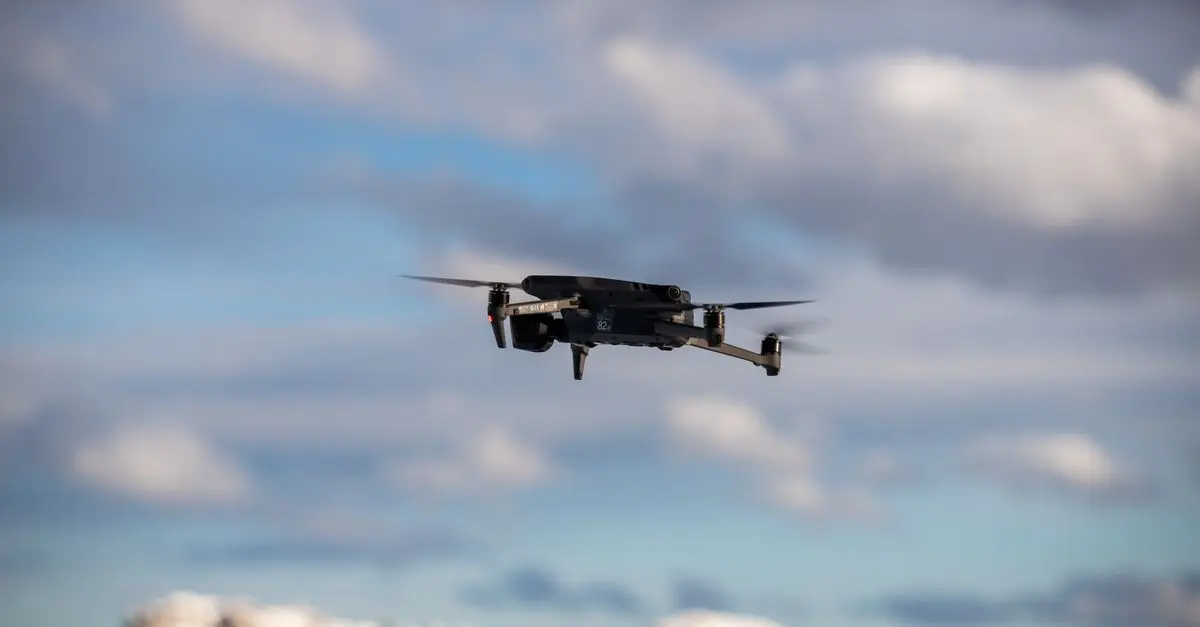
Drones, originally designed for military and recreational purposes, have evolved significantly and are now integral to supply chain operations in various industries. In logistics, drones are employed to automate the process of delivering packages, conducting inventory checks, and surveying large warehouses. This innovation not only speeds up operations but reduces human error. The technology encompasses a variety of drone types, from small quadcopters to larger fixed-wing models, each designed for specific tasks within logistics.
The growing emphasis on efficiency, particularly during peak demand seasons, has prompted many companies to explore drone delivery. Companies like Amazon and UPS are leading the charge, exploring drone fleets that can traverse urban and rural landscapes alike, effectively reaching customers faster than traditional vehicles. According to a 2026 report by McKinsey, the integration of drones in supply chains can reduce delivery times by as much as 75% in urban environments. This shift not only enhances operational efficiency but also significantly lowers transportation costs.
Furthermore, drones offer unparalleled flexibility in accessing hard-to-reach locations, making them ideal for deliveries in congested areas or remote regions. As drones become faster and more capable, more logistics companies are projected to incorporate them into their operations, paving the way for a future where drone-powered logistics is the norm.
Step-by-Step Implementation of Drones
Implementing drones into your supply chain operations requires a thoughtful approach. Here’s a step-by-step guide to help you get started:
- Assess Your Needs: Evaluate your current supply chain processes to identify areas where drones can add value, such as last-mile delivery or inventory management.
- Choose the Right Drone Type: Depending on the specific logistics challenges your business faces, select between quadcopters, fixed-wing drones, or hybrid models. Each has distinctive features suited for particular tasks.
- Regulatory Compliance: Familiarize yourself with local regulations regarding drone usage. The Federal Aviation Administration (FAA) provides guidelines that must be followed to ensure safety and legality.
- Training: Properly train your staff to operate drones effectively. Training ensures operational safety and allows employees to take full advantage of the drone technology.
- Pilot Testing: Before a full-scale rollout, conduct pilot tests to evaluate the drones' performance under real operating conditions. Look for feedback from employees to make necessary adjustments.
- Integration with Existing Systems: Ensure that the drone operations integrate seamlessly with your existing logistics management systems for comprehensive tracking and inventory management.
- Monitor and Optimize: After deploying drones, continuously monitor their performance and identify ways to optimize their use within your supply chain.
By following these steps, businesses can effectively integrate drones into their supply chain operations and leverage technology to enhance efficiency.
Comparative Analysis of Drone Options
To make an informed decision, it is vital to compare different drone options available for logistics. Below is a comparative analysis of popular drone categories:
| Criterion | Quadcopters | Fixed-Wing Drones | Hybrid Drones |
|---|---|---|---|
| Flight Duration | 20-30 minutes | 1-2 hours | 30-60 minutes |
| Payload Capacity | Up to 2 kg | Up to 25 kg | 5-10 kg |
| Best Use Case | Last-mile deliveries | Long-distance transport | Versatile applications |
| Cost Range | $500 - $3,000 | $3,000 - $10,000 | $2,000 - $7,000 |
| Verdict | Ideal for small, quick deliveries | Excellent for extensive geographic coverage | Best of both worlds |
Statistical Insights on Drone Usage
Data suggests that the adoption of drones in supply chain operations is rapidly increasing. According to a survey by Gartner in 2025, 30% of businesses had already incorporated drones into their logistics plans, and this figure is expected to rise to 70% by 2027. Moreover, a recent study by Deloitte found that using drones can cut logistics costs by nearly 30%, particularly in last-mile deliveries.
In addition, the global market for drone logistics is projected to grow from $4 billion in 2025 to $10 billion by 2028. The efficiency gains and cost reductions offered by drone integration significantly enhance their attractiveness to large-scale operations in retail and warehousing.
Also noteworthy is the environmental aspect; drone deliveries can help decrease carbon emissions from transportation by utilizing electric-powered drones. This trend aligns with growing corporate sustainability initiatives, as companies face increasing pressure to reduce their ecological footprints.
Frequently Asked Questions
- How high can drones fly?
Drones can typically fly up to 400 feet above ground level, according to FAA regulations. This altitude helps prevent interference with manned aircraft.
- Are drones safe for delivering packages?
Yes, drones come equipped with safety features such as collision avoidance systems and fail-safe protocols to reduce risk during operation.
- What is the maximum weight a drone can carry?
The payload capacity varies depending on the model; most commercial drones can handle between 2 kg to 25 kg.
- What are the legal restrictions on drone usage?
Regulations differ by location. Always consult local regulations, including those set by the FAA in the United States, before operating drones.
📺 Resource Video:
For further insights: Watch an analysis of drone technology in logistics, search on YouTube: how drones are changing logistics 2026.
Glossary
| Term | Definition |
|---|---|
| Drone | An unmanned aerial vehicle that can be piloted remotely. |
| Payload | The weight that a drone can carry, relevant for deliveries. |
| Last-mile Delivery | The final step of the delivery process, from a distribution center to the customer. |
Checklist before Implementation
- [ ] Assess current logistics needs.
- [ ] Select the appropriate drone type.
- [ ] Understand local regulations.
- [ ] Train staff on drone operations.
- [ ] Conduct pilot testing.
- [ ] Integrate with existing logistics systems.
- [ ] Monitor performance for continuous optimization.
🧠 Quick Quiz: How much can drone logistics reduce costs?
- A) 10%
- B) 20%
- C) 30%
Answer: C — A recent study found that drone logistics can reduce costs by nearly 30%.
Implementing drones in supply chain operations not only tackles immediate logistical challenges but also aligns with broader trends toward innovation and efficiency. As technology advances, businesses that adapt will be well-positioned to lead the market.
📺 Pour aller plus loin : how drones are changing logistics 2026 sur YouTube