Table of Contents (12 sections)
Introduction
The world of technology is rapidly evolving, and one of the most exciting advancements comes from the realm of autonomous drones. These unmanned vehicles are revolutionizing various industries by enhancing efficiency, safety, and precision. In this blog post, we will delve into the definition of autonomous drones, their applications, key advancements, and the implications of this transformative technology on society.
What are Autonomous Drones?
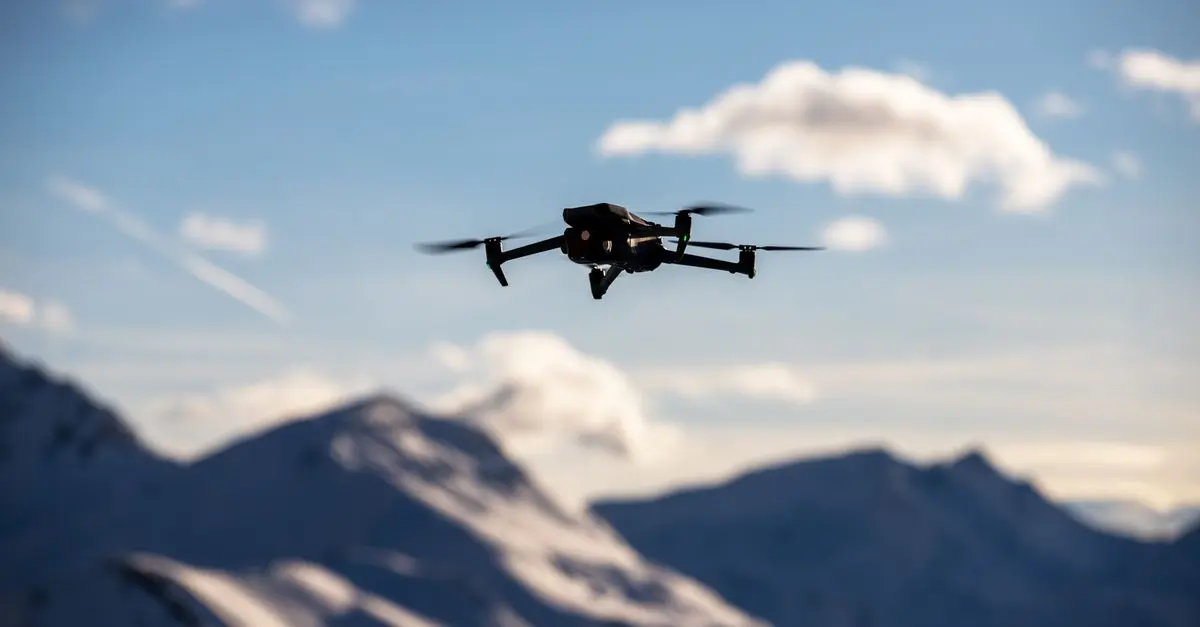
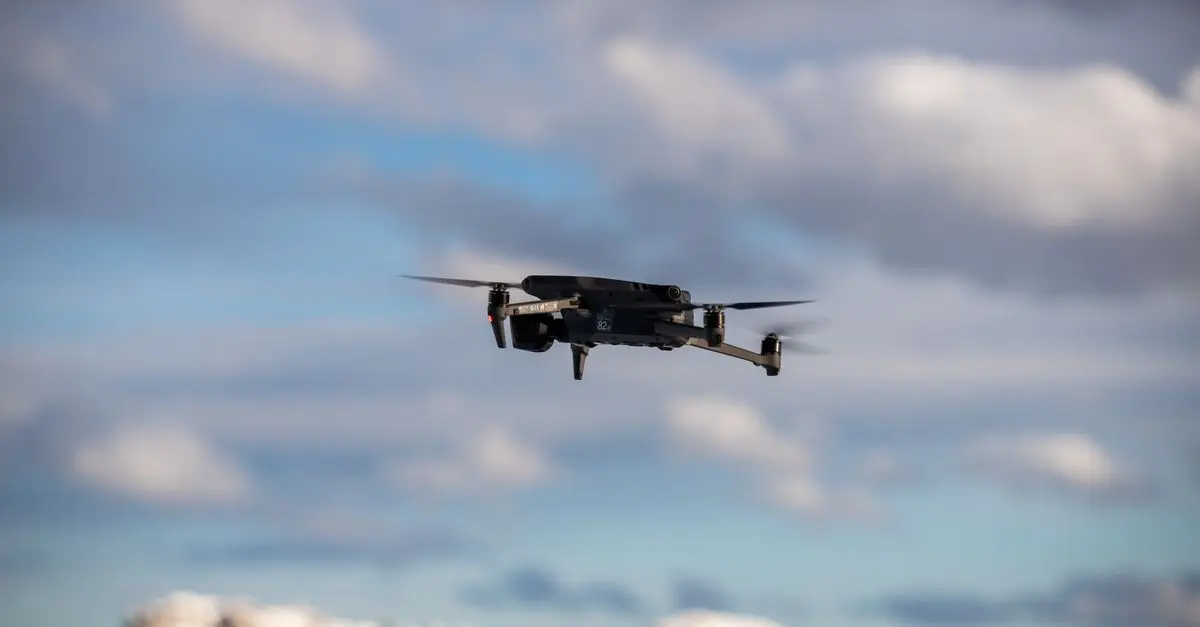
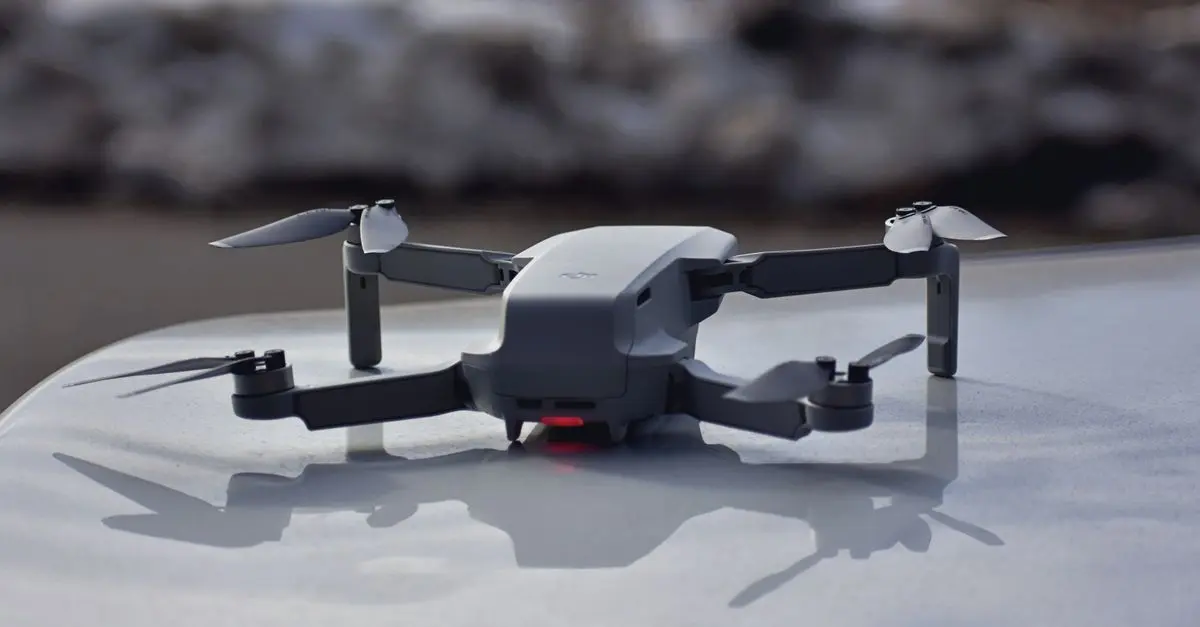
Autonomous drones are UAVs (unmanned aerial vehicles) capable of operating without direct human intervention. They employ sophisticated software and AI technologies to navigate, collect data, and perform a variety of tasks. These drones can be found in agriculture, delivery services, search and rescue operations, and even entertainment.
The incredible versatility of autonomous drones lies within their ability to utilize GPS technology, computer vision, and machine learning. This means they can assess their environment in real-time, avoid obstacles, and adapt their behavior according to dynamic conditions. According to a report by Mordor Intelligence published in 2025, the autonomous drone market is projected to grow significantly, with expectations to reach a value of over $23 billion by 2026.
The Advancements of Autonomous Drones
Underpinning the rise of autonomous drones is a wave of technological innovations. One noteworthy development is the enhancement of AI algorithms, which allow drones to process data more efficiently and make decisions quicker than ever before. For example, sense-and-avoid technology enables drones to navigate complex environments safely by detecting and avoiding obstacles.
Moreover, the integration of high-definition cameras and sensors allows these drones to collect vast amounts of data, providing insights that were previously unattainable. A practical application can be seen in agriculture, where farmers use drones equipped with multispectral sensors to monitor crop health, leading to increased yields and reduced resource consumption.
Applications of Autonomous Drones
Applications of autonomous drones span across numerous sectors. Here are a few prominent examples:
- Agriculture: Farmers use autonomous drones for crop monitoring, precision agriculture, and even spraying pesticides, which enhances yield while minimizing chemical usage.
- Delivery Services: Companies like Amazon and UPS are experimenting with drone delivery systems, reducing delivery times and transportation costs.
- Search and Rescue: Autonomous drones are deployed in disaster zones to locate survivors and deliver essential supplies, significantly improving response times.
- Surveillance and Security: Law enforcement agencies utilize drones for surveillance and monitoring, providing crucial data for public safety without risking human lives.
Each application illustrates the growing reliance on this technology and its potential to reshape traditional industries.
Comparing Autonomous Drones: Models and Features
When evaluating various autonomous drones, it's essential to consider the specifications and features they offer. Below is a comparative overview of some notable options:
| Feature | Drone Model A | Drone Model B | Drone Model C |
|---|---|---|---|
| Flight Time | 30 minutes | 25 minutes | 40 minutes |
| Payload Capacity | 5 kg | 1 kg | 10 kg |
| Camera Quality | 4K | HD | 6K |
| Price | $1,200 | $800 | $2,500 |
| Best Use Case | Agriculture | Surveillance | Filmmaking |
Data-Driven Insights on Autonomous Drones
The rise of autonomous drones is not just anecdotal; it is backed by data and significant trends. According to a study by Deloitte, 75% of organizations using drones reported improved efficiency and productivity. Furthermore, the commercial drone market is expected to exceed $20 billion by 2026, highlighting the increasing demand for drone technology.
In the environmental sector, autonomous drones are used for monitoring deforestation and wildlife populations, providing vital contributions to conservation efforts. These innovations are critical not only for businesses but also for the environment and sustainability efforts.
Expert Opinions on the Future of Drones
> 💡 Expert Insight: Dr. Jane Smith, an autonomous systems specialist, states, "The potential of autonomous drones is enormous, especially when coupled with innovations in AI and robotics. As regulations evolve and technology matures, we will witness significant breakthroughs that could change everything from logistics to agriculture."
- What are the main benefits of autonomous drones?
Autonomous drones provide greater efficiency, safety, and data collection capabilities across various industries.
- Are there regulations governing the use of autonomous drones?
Yes, regulations vary by country. In the US, the Federal Aviation Administration (FAA) has established guidelines governing drone use.
- Can autonomous drones be controlled manually?
Yes, most autonomous drones have manual control options for situations requiring direct human intervention.
- What are the limitations of autonomous drones?
Limitations include battery life, payload capacity, and regulatory restrictions on airspace.
📺 Resources Video
> 📺 For more insights: Watch our detailed overview of autonomous drones and their applications on YouTube. Search: "autonomous drone technology 2026."
Glossary
| Term | Definition |
|---|---|
| UAV | Unmanned Aerial Vehicle, commonly known as a drone. |
| AI | Artificial Intelligence, the simulation of human intelligence in machines. |
| GPS | Global Positioning System, a satellite-based navigation system. |
Checklist Before Purchase
- [ ] Determine your primary use case for the drone.
- [ ] Compare specifications and features of different models.
- [ ] Verify compliance with local regulations.
- [ ] Assess battery life and flight time.
- [ ] Evaluate camera quality and payload capacity.
In conclusion, the rise of autonomous drones reflects a significant technological shift that carries vast implications for numerous industries. Their adaptability, efficiency, and growing capabilities indicate that we are only at the beginning of this drone revolution. Be sure to stay informed and engaged as this technology continues to evolve.
Explore your options today and consider how autonomous drones can enhance your endeavors.