Table of Contents (17 sections)
What Are Drones in Construction?
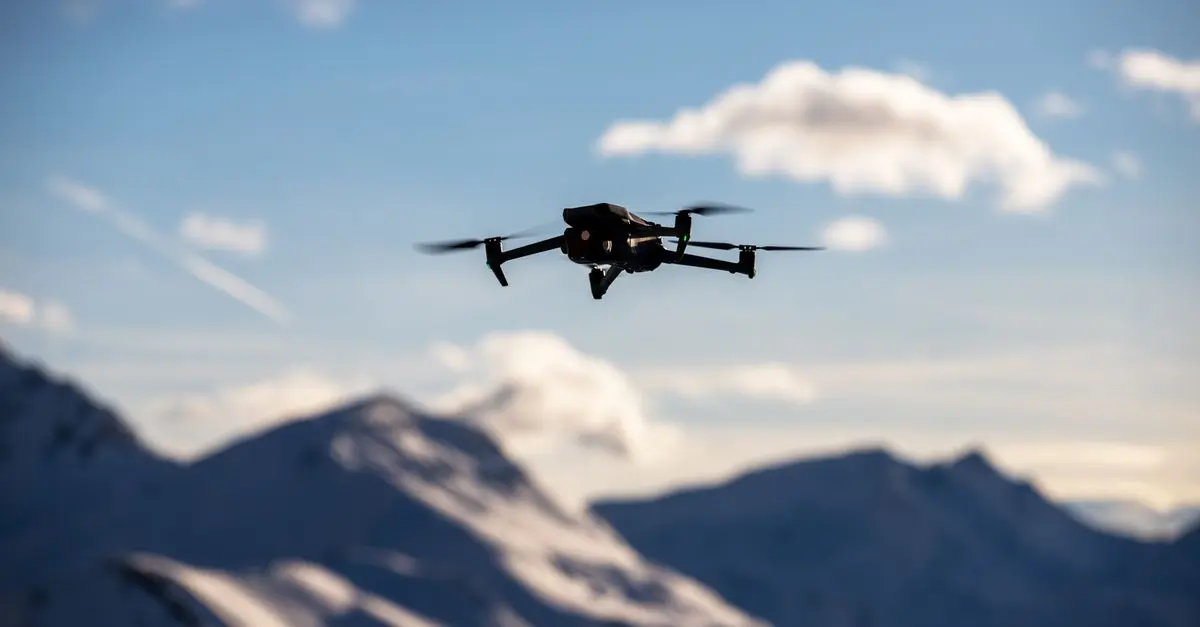
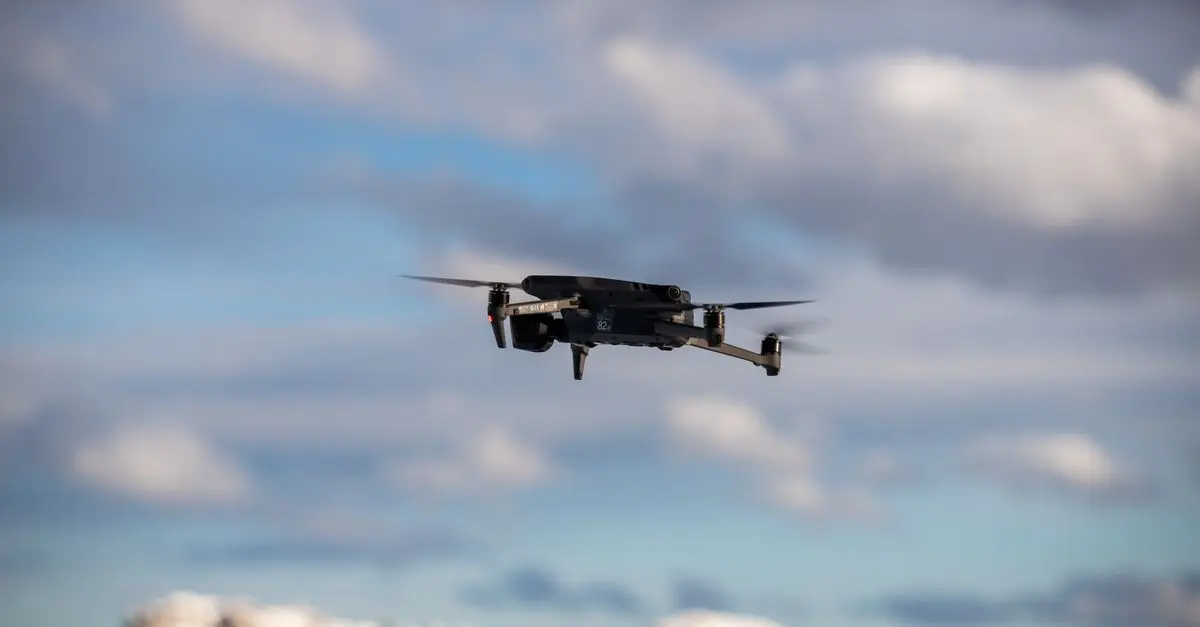
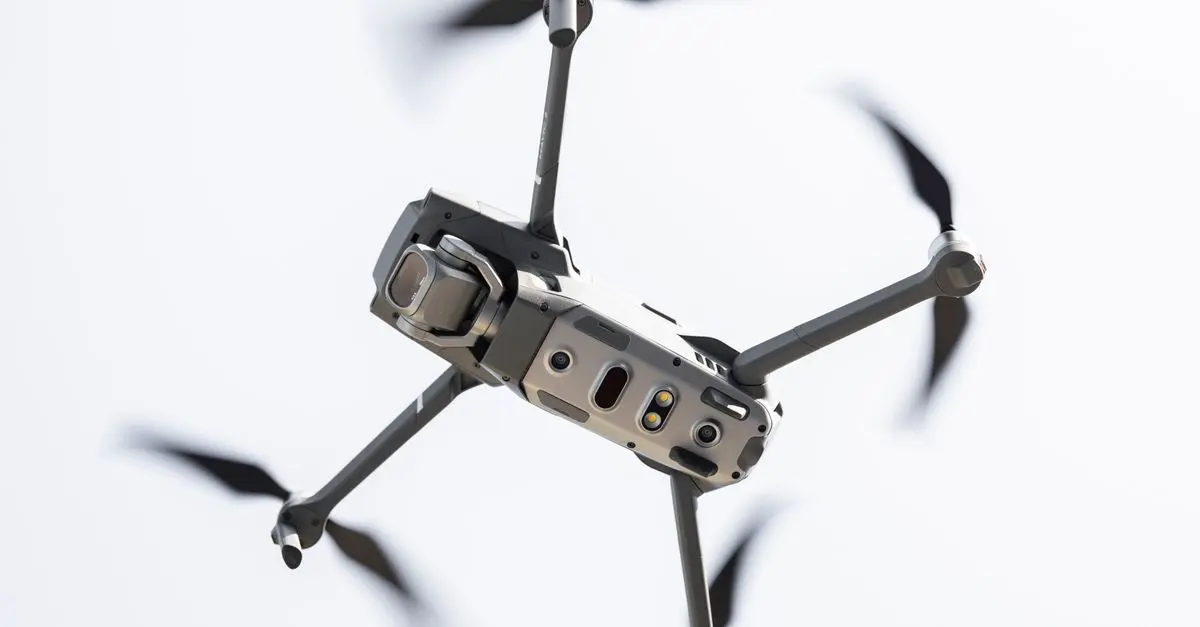
Drones, or unmanned aerial vehicles (UAVs), have revolutionized various industries, notably construction. In essence, drones in construction are equipped with cameras and sensors to capture aerial imagery, perform surveys, and monitor sites efficiently. Traditionally, site surveys required extensive manpower and time, often leading to delays and inaccuracies. The introduction of drones has bridged these gaps significantly.
The integration of drones allows for real-time data collection and high-definition visual footage, enabling project managers and stakeholders to assess site conditions with clarity. According to a report from the Federal Aviation Administration (FAA), the drone market in the construction sector is expected to showcase an annual growth rate exceeding 30% through 2026. This growth reflects the increasing reliance on drone technology for enhancing productivity, safety, and decision-making.
How to Integrate Drones into Your Construction Projects
Integrating drones into your construction workflow involves several essential steps:
- Identify the Purpose: Determine why you need a drone — whether for surveying, progress monitoring, or safety inspections.
- Select the Right Drone: Research different models and capabilities. Consider features like GPS accuracy, camera resolution, and battery life.
- Train Your Team: Ensure your staff is adequately trained, as drone operation is governed by FAA regulations which include obtaining a Remote Pilot Certificate.
- Plan Your Flights: Use software for flight planning to optimize drone routes for data collection.
- Data Management: After capturing data, utilize specialized software to analyze and present findings effectively.
By following these steps, project managers can streamline incorporating drones into their daily operations, thereby enhancing project efficiency and site management.
Comparative Advantages and Disadvantages of Using Drones in Construction
The table below outlines the primary pros and cons of using drones in construction projects:
| Criteria | Advantages | Disadvantages | Verdict |
|---|---|---|---|
| Cost Efficiency | Reduces labor costs for surveys and inspections. | Initial investment can be high. | Worthwhile |
| Data Accuracy | Provides high-resolution imaging for precise data. | Can be affected by weather conditions. | High accuracy |
| Time Saving | Collects large volumes of data quickly. | Regulatory approvals may delay use. | Time efficient |
| Safety | Reduces human error in hazardous areas. | Requires trained personnel for operation. | Enhances safety |
Data Accuracy
The ability of drones to gather high-resolution images leads to more accurate data than traditional methods. However, their performance can be inconsistent in adverse weather conditions such as high winds or rain. It is essential for project managers to plan drone missions during favorable weather to maximize data quality.
Time Savings
Drones can cover expansive construction sites in a fraction of the time needed for traditional methods. By capturing large amounts of data quickly, they allow teams to make informed decisions faster. However, the time savings can be hampered by the need for regulatory approvals, which can delay projects.
Safety
Drones can enhance site safety by providing aerial views without placing personnel in potentially dangerous situations. While they reduce human error and risks associated with physical inspections, it is crucial to have trained operators who understand safety protocols and regulations.
Data-Driven Insights on Drones in Construction
According to Deloitte’s 2026 Construction Industry Outlook, drone technology is expected to account for over 20% of site surveying and monitoring methodologies. Additionally, a study by McKinsey & Company revealed that integrating drones could improve productivity by as much as 15% across various construction projects. These insights highlight the transformative potential of drone technology, making it increasingly indispensable in modern construction practices.
Frequently Asked Questions
What are the regulations for using drones in construction?
Drones used in commercial activities must comply with FAA regulations, requiring operators to be licensed and adhere to safety guidelines, including no flights over populated areas without permission.
Are drones effective for monitoring construction progress?
Yes, drones provide real-time imagery and data, allowing for accurate progress tracking and project management.
What types of drones are best for construction?
Look for drones equipped with high-resolution cameras, long battery life, and robust GPS systems for accurate surveying and mapping.
Can drones improve safety on construction sites?
Absolutely. Drones keep operators out of hazardous areas and provide critical site assessments without physical presence, reducing risks of accidents.
Glossary
| Term | Definition |
|---|---|
| UAV | Stands for Unmanned Aerial Vehicle, commonly known as a drone. |
| Remote Pilot | A person certified to operate drones commercially under FAA regulations. |
| Thermal Imaging | Camera technology used in drones to detect heat variations on surfaces. |
Checklist Before Using Drones
- [ ] Identify the particular use case for drones.
- [ ] Research different drone models appropriate for construction.
- [ ] Ensure all team members are trained properly.
- [ ] Obtain necessary permissions and licenses.
- [ ] Plan flight paths to optimize data collection.
🧠 Quick Quiz
> What is a primary benefit of using drones in construction?
> - A) Increased labor costs
> - B) Improved data accuracy
> - C) Longer survey times
> Answer: B — Drones enhance data accuracy by providing high-resolution images.
📺 To learn more: [A Complete Guide to Drones in Construction], an in-depth look at the implications of drone technology in construction. Search YouTube for: "drones in construction 2026".