Table of Contents (14 sections)
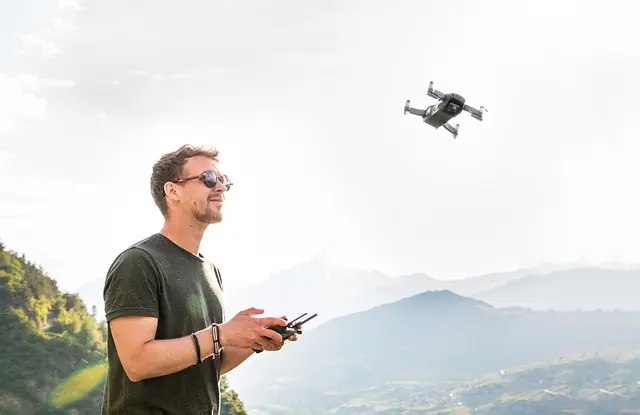
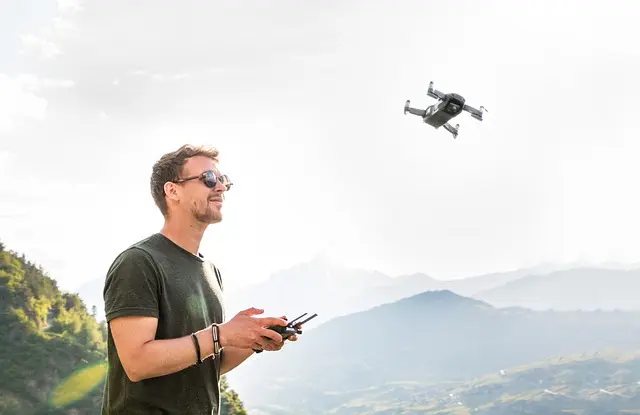
Drone technology, often referred to simply as drones, is an innovative field involving unmanned aerial vehicles (UAVs) that have revolutionized various industries. Drones come equipped with multiple features, including cameras, GPS, and advanced sensors, allowing them to perform a multitude of tasks. For instance, they are widely utilized in agriculture for crop monitoring, in filmmaking to capture aerial shots, and even in delivery services to transport goods quickly and efficiently.
The rise of drone technology is significant in today's digitized world. According to numbers from Statista (2026), the global drone market is expected to reach approximately $42.8 billion by 2025. As advancements in drone capabilities emerge, including artificial intelligence and machine learning integrations, the capabilities of drones are further enhanced, driving growth in numerous sectors.
Drones have multiple types categorized primarily by their purpose, including recreational, commercial, and military drones. Understanding these different types is crucial for potential users who aim to choose a drone that matches their specific needs. The intersection of drone technology with newer emerging technologies like 5G connectivity and advanced imaging is shaping a future where drones can operate more seamlessly, enhancing the user's experience.
How Drones Work
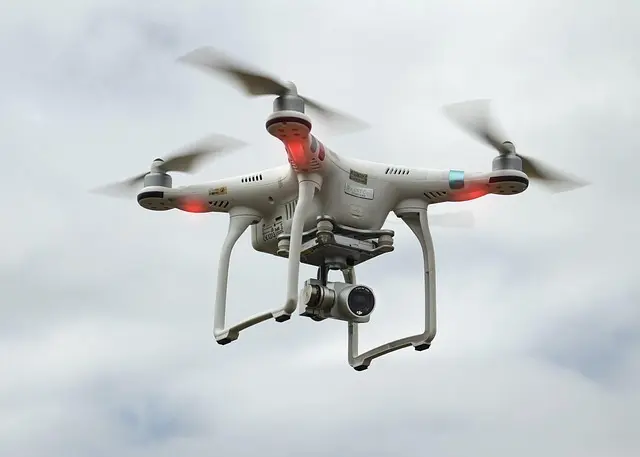
The functionality of drones is fascinating and complex. At their core, drones operate using rotor systems that differ based on design—most commonly, quadcopters use four rotors to ensure stability during flight. Behind the scenes, several components work together to make flying a drone possible:
- Flight Controller: This is the brain of the drone, ensuring stability and navigation. It processes data from sensors and maintains flight balance.
- GPS Module: Utilized for positioning and navigation, GPS allows drones to maintain their location accurately during flight. This capability is critical for tasks such as mapping or surveying.
- Communication System: Drones use radio signals to communicate with the pilot, allowing real-time control and telemetry data to be transmitted back to the operator.
- Sensors and Cameras: Modern drones often incorporate various sensors—such as obstacle avoidance and cameras—for aerial photography and data collection.
The steps to fly a drone typically involve pre-flight checks, such as ensuring a clear takeoff area, calibrating the drone, and learning the controls. Users must also adhere to local regulations concerning drone flight, such as altitude limits and no-fly zones. For beginners, training or simulations are recommended to enhance their piloting skills, ensuring safety and compliance with legal stipulations.
Comparing Different Drone Types
Selecting a drone can be overwhelming, as multiple options are available, depending on your needs. Here's a comparative overview of three popular types of drones:
| Feature | Hobbyist Drones | Commercial Drones | Racing Drones |
|---|---|---|---|
| Price Range | $100 - $500 | $500 - $10,000 | $200 - $1000 |
| Camera Quality | Basic HD | High-end 4K | None (optional) |
| Speed | Moderate | Moderate | Very High |
| User Skill Level | Beginner-Friendly | Requires Training | Advanced |


Nonin Medical NoninConnect™ Finger Pulse Oximeter with Bluetooth® Smart Wireless Technology
concordhealthsupply.com
Current Trends in Drone Technology
The landscape of drone technology is continually evolving. One of the most exciting trends is the integration of AI and machine learning into drone systems. As per a report by Gartner, drones equipped with AI can analyze vast amounts of data in real time, providing insights that were previously unattainable with manual methods. For example, AI-powered drones are beginning to be used in search and rescue operations, automatically identifying potential victims through thermal imaging technologies.
Additionally, delivery drones are rapidly transforming the logistics sector. Companies such as Amazon and UPS have initiated pilot programs actively testing drone delivery services. These innovations are projected to shorten delivery times significantly and revolutionize how businesses transport goods to consumers. According to a study by McKinsey (2026), cargo drones could reshape supply chains, potentially saving billions by optimizing routes and reducing costs.
Expert Opinions on Drone Uses
> 💡 Expert Insight: As technology evolves, the regulatory landscape for drones is also adapting. It's essential for users to stay informed about local laws. Professional pilot certifications are becoming necessary for many commercial applications. Plus, understanding or gaining familiarity with drone operating systems is crucial for maximizing their potential. By investing in training, users can ensure they follow a compliance programme that keeps operations safe and secure.
Frequently Asked Questions
What are drones primarily used for?
Drones are used in various applications, including agriculture for crop monitoring, surveying land, inspecting infrastructure, and aerial photography and videography.
Are drones easy to operate for beginners?
Yes, many hobbyist drones are designed for beginners, making them user-friendly with features like automatic takeoff and landing.
Do I need a license to fly a drone?
In many countries, yes. Commercial drone operators typically require a license, while recreational users may have different regulations.
How far can drones fly?
The range of a drone depends on its type and model, with many consumer drones capable of flying between 3 to 7 miles, while commercial drones can operate over greater distances.
Checklist Before Purchase
- [ ] Determine the drone's primary use (recreation, commercial, etc.)
- [ ] Check local regulations and licensing requirements.
- [ ] Research compatible accessories (cameras, batteries).
- [ ] Read reviews and productivity cases from users.
- [ ] Consider flight time and range specifications.
- [ ] Ensure customer support is available from the manufacturer.

Milwaukee Leather 7.4V Men's True All Seasons Leather Jacket with Heated and Cool Technology
thewarmingstore.com

Samsung Laundry Dryer with AI Control and Heat Pump Technology in White(DV25FG62B0BEA2)
samsung.com
Glossary
| Term | Definition |
|---|---|
| UAV | Unmanned Aerial Vehicle; an aircraft operated without a human pilot on board. |
| Flight Time | The duration a drone can remain airborne on a single charge. |
| Payload | The weight a drone can carry, which may include sensors, cameras, or other equipment. |
📺 Resource Video:
> Learn How Drone Technology is Revolutionizing Industries. Search YouTube for: "drone technology applications 2026".
Products Recommendations
- Jupiter Creations Inc RC Rocket Drone: Ideal for beginners interested in learning about aerial maneuvers with a fun, engaging design.
- Plaud Note AI Voice Recorder: Document your flying experiences and create notes for improvement while flying.
- Capital Technology Inc DBA SALAV Professional Garment Steamer: Keep your drone gear looking fresh and presentable while in the field.
With ongoing innovations in drone technology, the prospects for various applications are vast and promising.
For a deep dive into selecting the best drone for your needs, explore the recommended products below, suited for both enthusiasts and professionals looking to enhance their experience.
📺 Pour aller plus loin : drone technology applications 2026 sur YouTube
Recommended products
Selected by our experts

Samsung Front Load Washer & Dryer Set with Vibration Reduction Technology+ and Sensor Dry in White(BNDL-1603912197302)
samsung.com

BISSELL CleanView with OnePass Technology Plus Upright Bagless Vacuum Sienna 3583
bissell.com

Clinique Redness Solutions Makeup Broad Spectrum SPF 15 With Probiotic Technology, Calming Honey - 1 fl. oz./30 ml
clinique.com

PLAUD Inc. Plaud Note AI Voice Recorder, Voice Recorder w/Case, App Control, Transcribe & Summarize with AI Technology, Support 112 Languages, 64GB
plaud.ai
Nonin Medical NoninConnect™ Finger Pulse Oximeter with Bluetooth® Smart Wireless Technology
concordhealthsupply.com