Table of Contents (9 sections)
Drones have dramatically reshaped the landscape of cinema and filmmaking. With their ability to capture breathtaking aerial footage, drones have become indispensable tools for filmmakers across various genres. The innovation began in earnest in the past decade, but by 2026, it is evident that drones have become not only a trend but a vital part of the filmmaking process. This article examines the multifaceted impact of drones on the film industry, exploring how they have changed cinematography, story narration, and production logistics.
What Are Drones in Filmmaking?
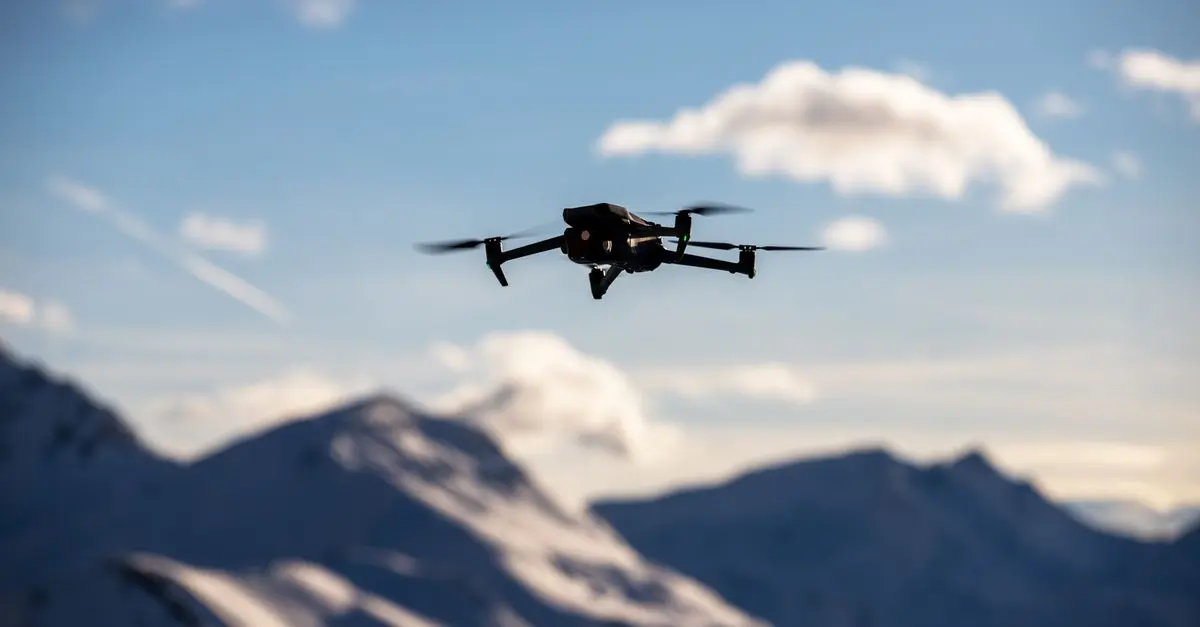
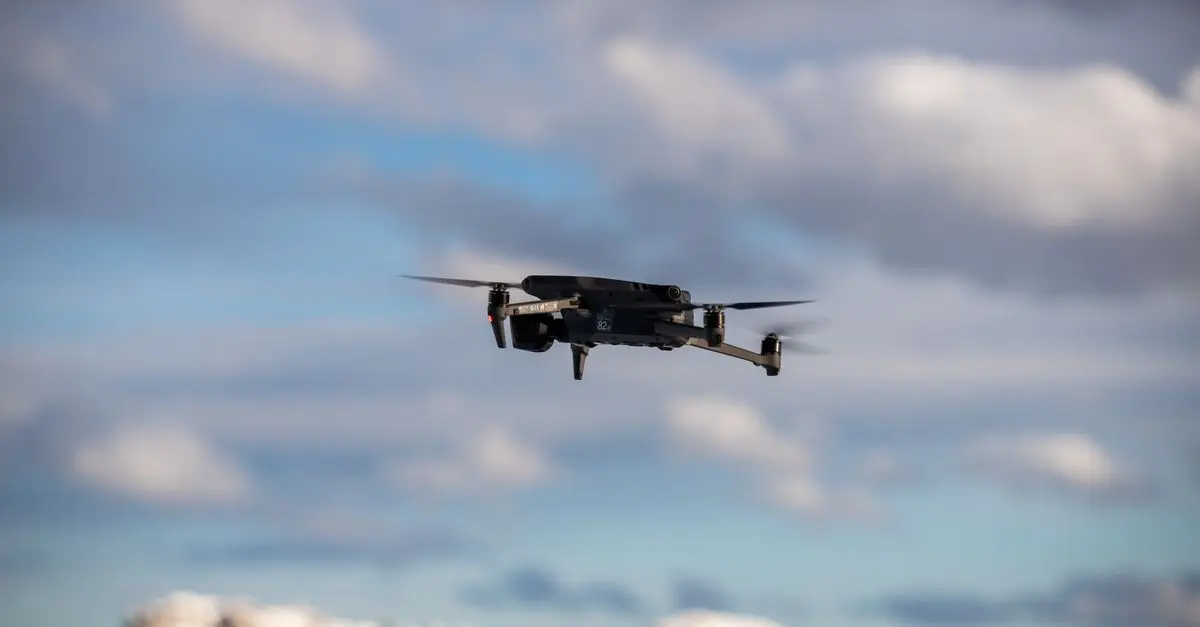
Drones, typically referred to as unmanned aerial vehicles (UAVs), are aircraft that can be remotely controlled or fly autonomously through software-controlled flight plans. In the context of filmmaking, drones equipped with high-resolution cameras have allowed videographers to achieve shots that were previously only possible with expensive and complex equipment like cranes or helicopters. For instance, aerial shots can now be executed at a fraction of the cost, making sophisticated cinematic techniques accessible even to independent filmmakers.
The use of drones has not come without challenges. Issues of safety, privacy, and regulations surrounding UAV operations are critical considerations for filmmakers. Various regulations are in place, managed by organizations such as the Federal Aviation Administration (FAA) in the United States, to ensure safe operation and compliance with airspace laws. Despite these regulations, the advantages of using drones for aerial video capture significantly outweigh the challenges, making them a popular choice in modern filmmaking.
Step-by-Step Guide: How to Use Drones in Filmmaking
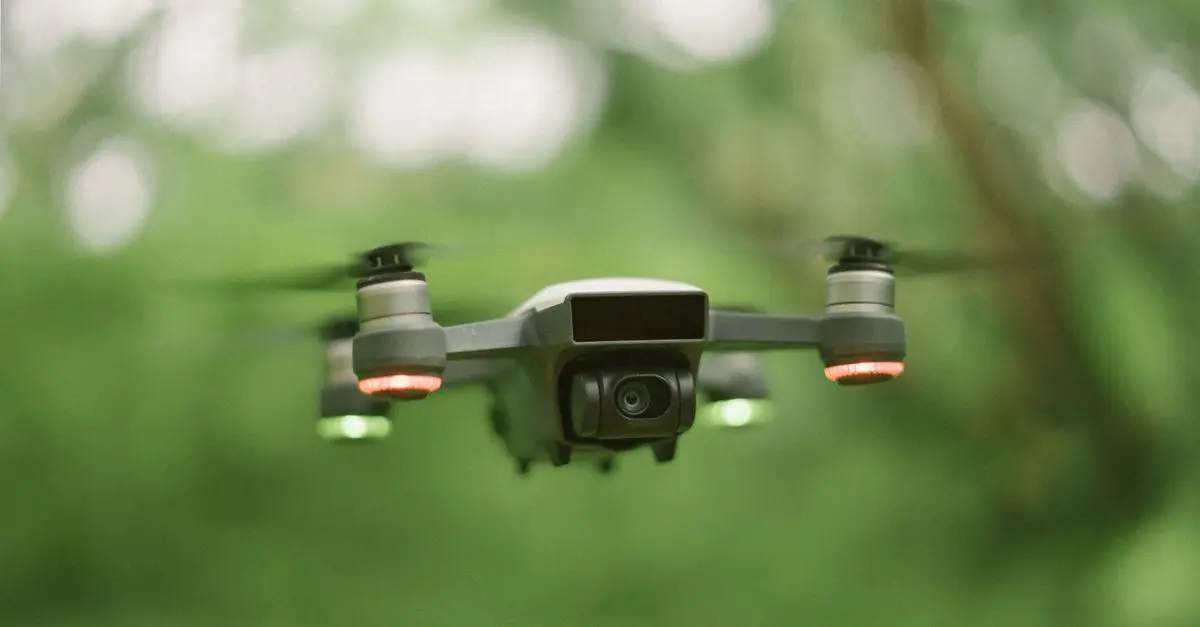
- Choose the Right Drone: Assess your project needs and select a drone that offers the appropriate camera quality and flight capabilities. Popular choices might include drones from DJI or Autel Robotics, known for their stability and camera quality.
- Camera Specifications: Look for drones that can support 4K video recording to ensure outstanding video quality.
- Understand the Regulations: Ensure compliance with local laws governing drone usage. This includes obtaining necessary permits and adhering to no-fly zone rules. The FAA provides clear guidelines to facilitate legal drone operations.
- Plan Your Shots: Create a storyboard that integrates drone footage to enhance storytelling. Consider how aerial views can add depth to your narrative and visualize scenes uniquely.
- Practice Flight Maneuvers: Before the shoot, practice flying to understand the drone’s handling, especially in tight spaces or adverse weather conditions.
- Execute the Shoot: On the day of filming, ensure that you have the right crew to manage the drone operation. A dedicated drone operator can focus solely on executing the shots, while others manage the remaining production elements.
Comparing Drone Options for Filmmaking
When selecting a drone for filmmaking, it's essential to weigh different models based on specific criteria. The following comparison highlights various features of popular drones suited for cinematic purposes:
| Criteria | DJI Mavic 3 | Skydio 2 | Autel EVO Lite+ | Parrot Anafi |
|---|---|---|---|---|
| Camera Quality | 4/3 CMOS, 20MP | 12MP, 4K Video | 50MP, 6K Video | 21MP, 4K Video |
| Flight Time | 46 mins | 23 mins | 40 mins | 25 mins |
| Price | $2,199 | $999 | $1,799 | $699 |
| Stability | Excellent | Good | Excellent | Good |
Analyzing Trends: The Future of Drones in Cinematography
As we progress through 2026, the integration of drones in the film industry continues to evolve. Recent advancements in technology have introduced autonomous flying capabilities, where drones can follow predefined paths and avoid obstacles automatically. These innovations significantly reduce the need for a second operator, allowing for more streamlined productions.
According to a report by IBISWorld, the drone industry has experienced a growth rate of over 6.6% annually, with cinematography being a significant driver of this expansion. Filmmaking classes increasingly incorporate drone operation into their curriculums, highlighting the medium's importance in modern storytelling. Furthermore, the demand for drone footage has led to a surge in commercial drone pilot certifications, which are critical for ensuring skilled operation in cinematic environments.
Q: Can anyone operate a drone for filming purposes?
A: No, operators must comply with local laws and often need a license or certification for commercial use.
Q: What is the best drone for beginners in filmmaking?
A: The DJI Mini 2 offers user-friendly control and high-quality footage, perfect for beginners.
Q: How much does the average drone cost for filmmakers?
A: Prices generally range from $700 to $3,000, depending on the features and specifications.
Q: What regulations should I be aware of when using drones in film?
A: Familiarize yourself with FAA regulations, including no-fly zones and registration requirements.
📺 For further exploration:
Watch: The Evolution of Drones in Filmmaking, a comprehensive analysis of how drones have transformed the visual storytelling landscape. Search on YouTube: "impact of drones on film industry".
Glossary
| Term | Definition |
|---|---|
| UAV | Unmanned Aerial Vehicle, a drone used in various applications, including filmmaking. |
| Cinematography | The art of capturing visual images through film and video technology. |
| FAA | The Federal Aviation Administration, responsible for regulating civil aviation.
Checklist before using drones in filmmaking
- [ ] Assess your project needs.
- [ ] Ensure compliance with drone regulations.
- [ ] Select a camera-equipped drone.
- [ ] Develop a shot list incorporating drone footage.
- [ ] Practice with the drone before filming day.
- [ ] Have a qualified operator manage the drone during filming.
>🧠 Quick Quiz: What is a significant benefit of using drones in filmmaking?
>- A) Lower production costs
>- B) Increased safety
>- C) Higher quality aerial shots
Answer: C — Drones provide filmmakers with the ability to capture high-quality aerial footage efficiently.