Table of Contents (12 sections)
Understanding Drones in Agriculture
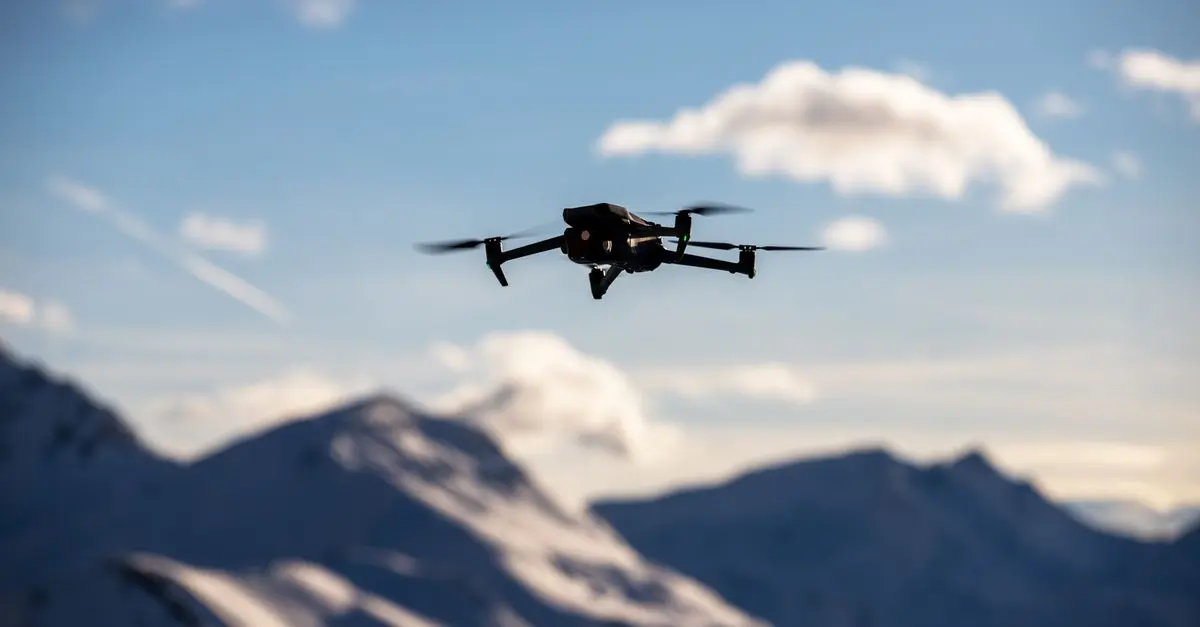
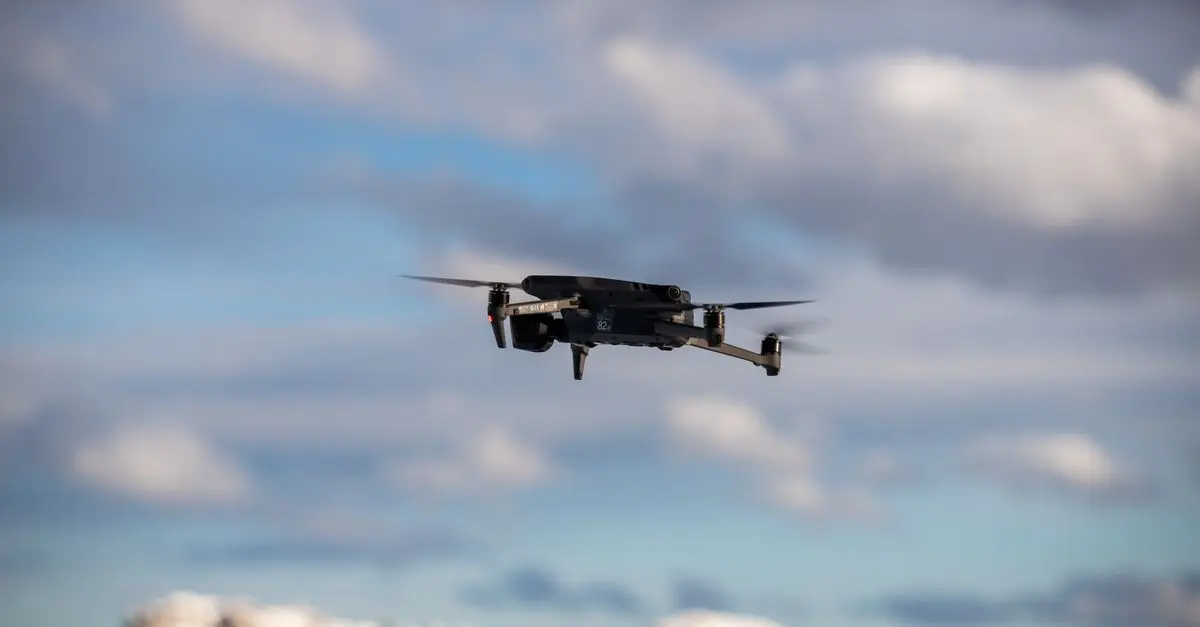
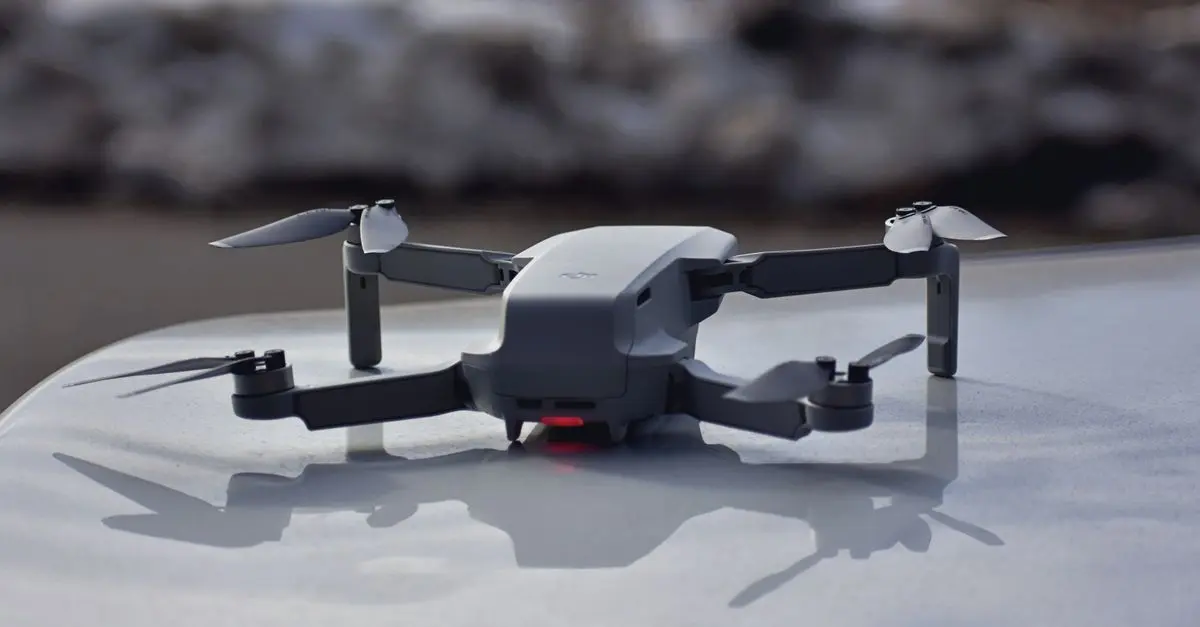
Drones in agriculture, also known as unmanned aerial vehicles (UAVs), are increasingly pivotal in modern farming. These aerial devices are utilized for a variety of purposes, including surveillance, data collection, and crop management. The advantages of integrating drone technology into farming practices are significant.
Farmers can gather crucial information about crop health, monitor growth patterns, and assess the effects of environmental conditions with incredible efficiency. This newfound ability to collect real-time data supports decision-making processes, ultimately leading to improved yields and reduced operating costs.
According to a report from Statista, the global agricultural drone market is expected to grow significantly, reaching $4.8 billion by 2026. This trend highlights the increasing adoption of drone technology as farmers recognize its potential to enhance traditional farming methods. Moreover, drones can cover large areas in a fraction of the time it would take traditional scouting methods, showcasing their role as an essential tool in the agricultural toolbox.
Implementing Drones in Farming
When considering the implementation of drones in agriculture, it’s important to follow a systematic approach. Here’s a step-by-step guide to integrating drones into farming practices:
- Research and Choose the Right Drone: The first step is to identify your specific farming needs. Some drones are equipped with high-resolution cameras for crop surveillance, while others are designed for spraying pesticides or fertilizers. Understanding the features that align with your objectives is crucial.
- Training and Compliance: Before deploying a drone, ensure that you or designated personnel are trained on its operation. Moreover, familiarize yourself with local regulations regarding drone usage as outlined by the Federal Aviation Administration (FAA). Compliance with these regulations is necessary to avoid legal issues.
- Data Collection and Analysis: After setting up your drone, begin collecting data. Use the drone’s software to process images and produce maps or insights that can help manage resources more effectively. For example, thermal imaging can assist in identifying areas needing irrigation.
- Adjust and Improve: Over time, assess the effectiveness of drone usage. Are yields improving? Is resource use more efficient? Using this data, further refine drone activities for optimized results.
- Integration with Other Technologies: Finally, consider integrating drones with other technologies, such as GPS and software platforms for comprehensive farm management.
These steps will guide farmers through the process of harnessing drone technology effectively, leading to enhanced operations and productivity.
Drone Models and Their Features
When comparing drone models for agricultural use, it’s essential to evaluate their features against specific farming requirements. Here’s a comparative table:
| Feature | Drone A | Drone B | Drone C |
|---|---|---|---|
| Price | $1,500 | $2,000 | $3,000 |
| Maximum Flight Time | 30 minutes | 40 minutes | 50 minutes |
| Camera Resolution | 12 MP | 20 MP | 30 MP |
| Payload Capacity | 1 kg | 2 kg | 5 kg |
| Best Use Case | Crop monitoring | Crop spraying | Aerial mapping |
Impact of Drones on Agriculture
The impact of drones in agriculture is substantial and multi-faceted. From enhancing crop health monitoring to improving efficiency and sustainability, drones are reshaping the agricultural landscape. According to the American Farm Bureau Federation, farmers using drones report a 15% increase in crop yields and a 20% reduction in resource usage.
Additionally, drones contribute to sustainability efforts by minimizing the environmental footprint of farming. For example, precise spraying techniques reduce chemical runoff, improving local ecosystems. Furthermore, data gathered can lead to more informed planting decisions, optimizing land use.
Drones also enhance labor efficiency. A drone can collect data across a vast field in a matter of minutes, saving hours of labor in manual scouting. Farmers are thereby enabled to redirect their workforce towards more critical tasks, enhancing overall productivity.
Common Questions About Drones in Agriculture
Q1: What types of drones are best for agriculture?
A1: The best types for agriculture are typically multispectral and thermal drones, which provide valuable insights into crop health and irrigation needs.
Q2: How much does a good agricultural drone cost?
A2: Agricultural drones can range from $1,000 to over $10,000, depending on features and payload capacity.
Q3: Are there regulations for drone usage in farming?
A3: Yes, farmers must comply with FAA regulations regarding drone operations, which includes licensing and operational limits.
Q4: How can drones improve farm efficiency?
A4: Drones improve efficiency by providing real-time data for quicker decision-making, enhancing resource management, and reducing labor costs.
Checklist before Purchase
- [ ] Define your agricultural needs
- [ ] Research drone models and features
- [ ] Ensure you have the necessary training
- [ ] Understand local regulations
- [ ] Plan for data analysis methods
Glossary
| Term | Definition |
|---|---|
| UAV (Unmanned Aerial Vehicle) | A type of aircraft that operates without a human pilot aboard. Used extensively in agriculture. |
| Multispectral Imaging | Technology used by drones to capture data across multiple wavelengths, enhancing crop analysis. |
| Precision Agriculture | An innovative farming approach that utilizes advanced technologies to optimize inputs and improve overall yield. |
> 📺 For further exploration: How Drones Revolutionize Agriculture, a comprehensive analysis of UAV impacts. Search on YouTube:
drones in agriculture 2026.
💡 Expert Opinion: Implementing drones is not just about technology, but about transforming how we think about farming. Integrating real-time data can truly lead to smarter and more effective agricultural practices.
In conclusion, drones in agriculture represent a significant advancement in the farming sector. They improve efficiency, sustainability, and data accuracy, leading to better decision-making and crop management. As drone technology continues to develop, the benefits to modern farming practices will only grow.
Consider investing in drone technology today and transform your agricultural operations for a more efficient and sustainable future.