Table of Contents (11 sections)
Urban delivery services have undergone a massive transformation over the past few years, largely driven by advancements in technology. One of the most groundbreaking innovations in this sector has been the integration of drones into delivery logistics. Drones urban delivery services are not just a trend; they are a practical solution for addressing the challenges of modern urban logistics, such as traffic congestion and high delivery costs. In this article, we will explore how these flying machines are enhancing urban delivery services and what this means for consumers and businesses alike.
What are Drones?
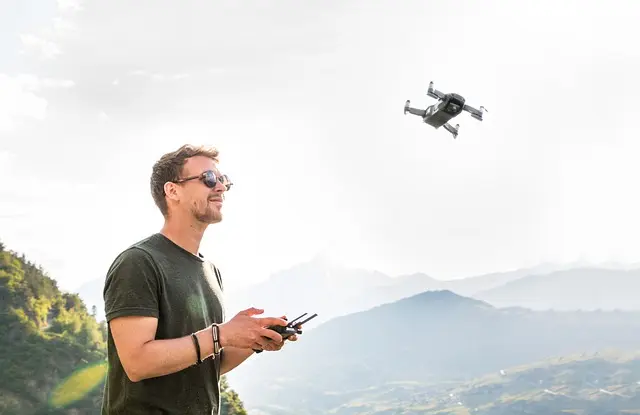
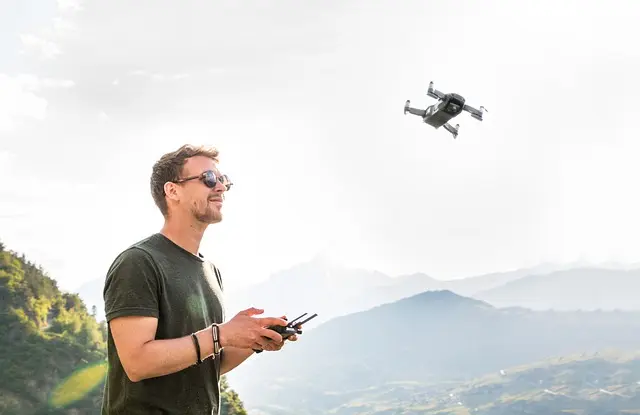
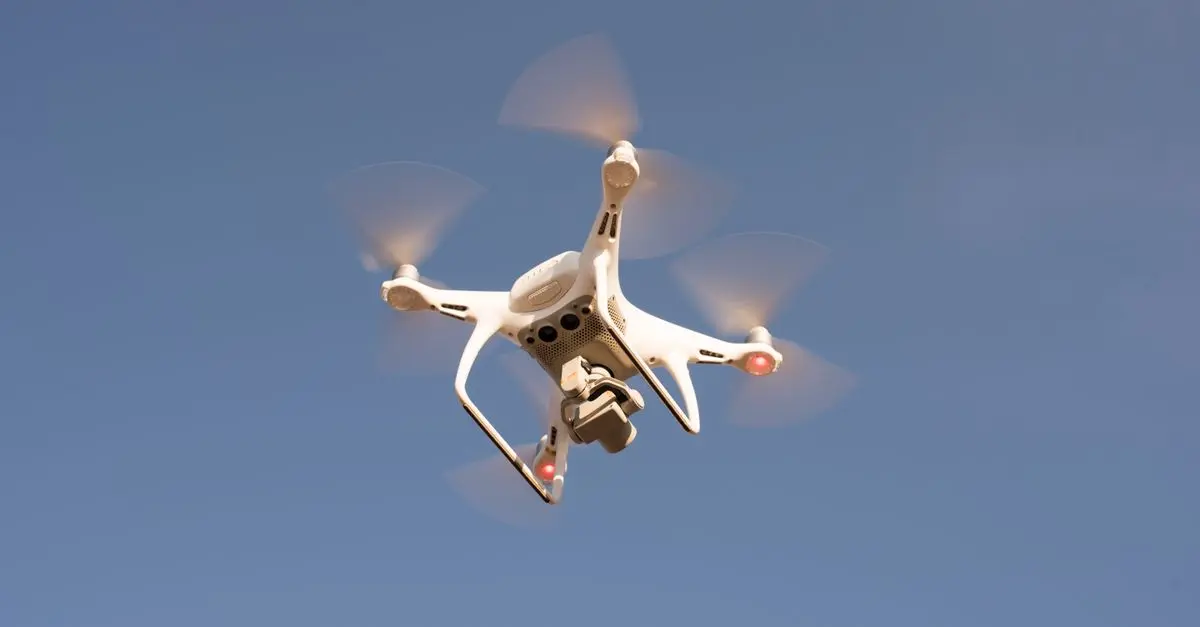
Drones, or unmanned aerial vehicles (UAVs), are aircraft that operate without a human pilot on board. Controlled remotely or autonomously, drones have varied applications, from recreational use to military operations and, more recently, commercial deliveries. In the context of urban logistics, drones are increasingly utilized to transport goods rapidly and efficiently, especially in densely populated areas where traditional delivery methods face obstacles.
Benefits of Drone Delivery
Drones urban delivery services offer numerous benefits that enhance the efficiency of logistics operations.
- Speed: Drones can significantly reduce delivery times. Instead of navigating through congested streets, drones can fly directly to their destination, often completing deliveries in a fraction of the time.
- Cost-effectiveness: Utilizing drones can lower operational costs associated with ground transportation, including fuel, labor, and vehicle maintenance.
- Accessibility: Drones can reach areas that might be difficult for traditional vehicles, such as remote locations or urban areas with restricted access.
- Environmental Impact: Drones are typically electric, which reduces carbon emissions compared to traditional gasoline-powered delivery vehicles.
According to a report by International Air Transport Association (IATA), drone deliveries could reduce delivery costs by up to 40% over the next decade, making them an attractive option for businesses.
How Drone Delivery Works
Implementing drones into urban delivery services involves several steps:
- Order Placement: Customers place an order through a retailer’s app or website.
- Preparation: Once an order is confirmed, the items are packaged and prepared for shipment.
- Scheduling: The system determines the optimal delivery drone based on distance, weight, and atmospheric conditions.
- Flight Path Planning: The drone's route is carefully planned to ensure safe delivery, avoiding obstacles and no-fly zones.
- Delivery: The drone takes flight and delivers the package directly to the user’s location.
This process leverages advanced technologies such as GPS navigation, automated flight systems, and real-time monitoring to ensure safe and efficient deliveries.
Examples in Action
Several companies are pioneering drone urban delivery services. Amazon Prime Air, for example, has been testing its drone delivery system for several years. The company aims to deliver packages to customers within 30 minutes of placing an order.
Meanwhile, Wing, a subsidiary of Alphabet, has started its drone delivery service in various urban areas in Australia and the United States. They provide delivery services for a range of products, from food to pharmaceuticals, demonstrating the versatility of drone deliveries.
Furthermore, UPS has been exploring drone technology for delivery to homes and businesses, focusing on enhancing its logistics capabilities while maintaining quality service. These real-world applications are evidence of how drones are set to become a mainstream delivery method.

i-tec Metal USB-C Travel Nano Dock HDMI/VGA with LAN + Power Delivery 100 W
Topbiz FR

i-tec USB-C Metal Nano 2x Display Docking Station + Power Delivery 100 W
Topbiz FR

i-tec USB-C Metal Ergonomic 3x 4K Display Docking Station + Power Delivery 100 W
Topbiz FR
Challenges Facing Drone Deliveries
While drones offer numerous benefits, there are distinct challenges to overcome.
- Regulatory Hurdles: Each country has its regulations regarding air traffic, and compliance can be complex. The Federal Aviation Administration (FAA) in the U.S. has specific guidelines that drone delivery companies must adhere to.
- Safety Concerns: Ensuring safe operation in urban environments, where buildings and people are abundant, poses significant challenges. Collision avoidance systems are essential in drone design and operations.
- Public Acceptance: Gaining public trust and acceptance for drone deliveries rests on how well issues of privacy and noise are managed.
Future Trends in Drone Delivery
The future of drones urban delivery services looks promising as technology continues to evolve. Here are some anticipated trends:
- Increased Automation: As AI technology advances, we can expect greater automation in flight management and delivery processes, improving efficiency and reliability.
- Urban Air Mobility Solutions: The concept of Urban Air Mobility (UAM) encompasses more than just freight delivery. Future developments may include passenger drones for commuting, thus expanding the potential market.
- Integration with Other Transport Methods: Drones may become a part of a larger multi-modal transport system, seamlessly connecting with ground vehicles to optimize the supply chain further.
Expert Opinion
> 💡 Expert Insight: According to Dr. Emily R. James, an aviation technology expert, "Drones are not just a novelty; they are an essential part of the future of logistics. Their ability to enhance delivery efficiency while reducing costs places them at the forefront of urban delivery solutions." Her insights reflect the growing consensus in the industry about the pivotal role drones will play in future logistics operations.
Glossary
| Terme | Définition |
|---|---|
| Drones | Appareils aériens sans pilote, utilisés pour diverses applications, y compris la livraison de marchandises. |
| UAV (Unmanned Aerial Vehicle) | Terme technique pour désigner les drones, utilisés dans l'aviation, y compris pour des missions commerciales. |
| Urban Air Mobility (UAM) | Concept de systèmes de transport aérien pour passagers et marchandises, souvent intégré aux infrastructures urbaines. |
Checklist avant achat
- [ ] Vérifier les réglementations locales sur l'utilisation des drones.
- [ ] Recueillir des retours d'expérience des clients sur les services de livraison par drone dans votre région.
- [ ] Évaluer les coûts liés à la mise en œuvre d'un service de livraison par drone.
- [ ] Checker les performances et la sécurité des drones.
- [ ] Analyser l'impact environnemental des drones dans votre secteur.
🧠 Quiz rapide: Quel est le principal avantage des drones dans les services de livraison?
- A) Coûts élevés
- B) Rapidité de livraison
- C) Complexité d'utilisation
Réponse : B — Les drones peuvent livrer des paquets plus rapidement que les véhicules terrestres en passant directement par la voie aérienne.
📺 Ressource Vidéo
> Pour approfondir vos connaissances sur l'impact des drones dans la logistique et la livraison, recherchez sur YouTube : "drones delivery services 2026".
Drones urban delivery services are evolving rapidly, promising efficiency and cost savings while addressing logistical challenges. As we navigate deeper into this technological era, keeping an eye on drone advancements will be essential for consumers and businesses alike. To discover our selected products that can support these services, browse the recommendations below.
📺 Pour aller plus loin : drones delivery services 2026 sur YouTube
Recommended products
Selected by our experts
i-tec Metal USB-C Travel Nano Dock HDMI/VGA with LAN + Power Delivery 100 W
Topbiz FR
This travel dock is essential for businesses utilizing drones, allowing seamless connectivity for devices involved in delivery logistics.
i-tec USB-C Metal Nano 2x Display Docking Station + Power Delivery 100 W
Topbiz FR
This docking station can support multiple screens, which is beneficial for monitoring drone flight paths during urban deliveries.
i-tec USB-C Metal Ergonomic 3x 4K Display Docking Station + Power Delivery 100 W
Topbiz FR
This ergonomic docking station allows users to manage several devices at once, streamlining drone operation and communication in logistics.