Table of Contents (7 sections)
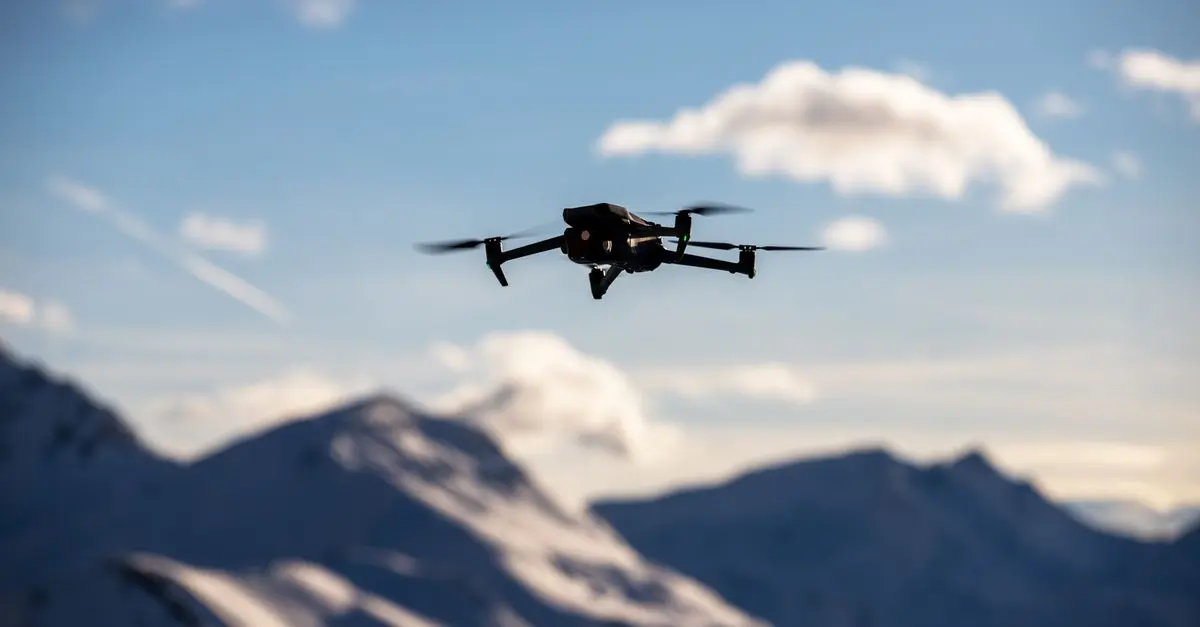
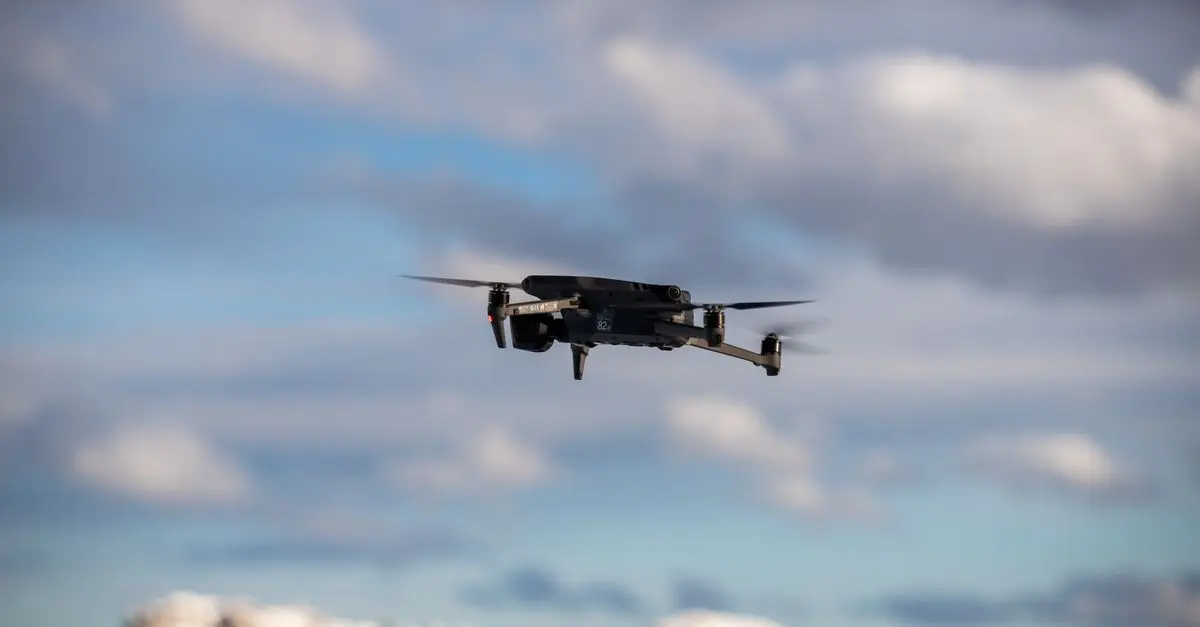
Drones have evolved from novelty gadgets to vital technological assets across a variety of industries. In this exploration, we delve into how drone technology is making waves in sectors like agriculture, construction, healthcare, and more.
Introduction to Drone Technology
Drone technology, or Unmanned Aerial Vehicles (UAVs), comprises various flying devices that can be remotely controlled or flown autonomously using software-controlled flight plans. Their ability to capture high-resolution imagery and data, alongside real-time video transmission, has propelled their adoption across numerous sectors. According to Statista, the global drone market is projected to reach approximately $40 billion by 2026, highlighting the increasing reliance on drones to improve operational efficiency and safety.


Milwaukee Leather 7.4V Men's True All Seasons Leather Jacket with Heated and Cool Technology
thewarmingstore.com

Applications in Agriculture
In agriculture, drone technology is revolutionizing how farmers manage their crops and livestock. Drones equipped with multispectral and thermal sensors can assess crop health, monitor irrigation systems, and optimize planting patterns. For example, precision agriculture uses drone technology to provide farmers with aerial imagery, allowing them to identify potential issues like pest infestations or nutrient deficiencies early. This data-driven approach can lead to increased yields and reduced costs. A study by Agricultural Research Service found that farmers can improve crop yields up to 20% by utilizing UAV technologies to manage their fields.
Furthermore, drones play a crucial role in livestock monitoring. They can efficiently survey large areas, ensuring livestock is healthy and safe, while minimizing the labor required to do so. This not only improves efficiency but also enhances animal welfare, which is increasingly prioritized in modern farming practices.
Transformative Role in Construction
The construction industry is reaping the benefits of drone technology through enhanced site surveying and monitoring methodologies. Drones can rapidly capture accurate topographical maps and 3D models of a construction site. This application significantly reduces the time and effort traditionally required for surveying tasks. By employing drones, construction firms can create as-built models that track progress against timelines.
Consider the case of Skidmore, Owings & Merrill, a leading architectural firm that reports a 60% reduction in site surveying times due to drone usage. Moreover, drones equipped with high-resolution cameras can monitor worksite safety, providing real-time data that helps prevent accidents. This integration of technology into construction processes is not merely an incremental improvement; it represents a substantial shift towards smarter, safer construction practices.
Advancements in Healthcare
In the healthcare sector, drone technology reveals transformative capabilities in delivering medical supplies and providing telemedicine solutions, especially in remote areas. Drones are used to transport vaccines and essential medical supplies, facilitating timely access to care in emergency situations. For instance, Zipline has successfully operated drones in Rwanda, delivering blood and vaccines to clinics in remote regions. This initiative significantly reduces the time to access critical care, showcasing how drones can effectively bridge healthcare gaps.
Moreover, drone technology is enabling the collection of health data through aerial surveys, disease monitoring, and disaster recovery assessments. By using UAVs equipped with appropriate sensors, healthcare providers can gather critical information about public health and environmental conditions, leading to informed decisions and improved health interventions.
Emergency Services and Disaster Management
Drone technology plays a crucial role in emergency services and disaster management, proving invaluable for search and rescue operations. Drones can access areas that may be too dangerous for human responders, providing real-time aerial views of affected regions. Their ability to deliver critical supplies and medication can mean the difference between life and death during crises.
During the California wildfires, for instance, drones were employed to assess fire damage and manage evacuation routes effectively. By providing situational awareness and reconnaissance, these drones help first responders in devising effective response strategies based on real-time data. This innovative use of drones not only improves safety for emergency personnel but also enhances the efficiency of disaster response efforts.

Samsung Laundry Dryer with AI Control and Heat Pump Technology in White(DV25FG62B0BEA2)
samsung.com

Samsung Front Load Washer & Dryer Set with Vibration Reduction Technology+ and Sensor Dry in White(BNDL-1603912197302)
samsung.com
Expert Insights
> 💡 Expert Opinion: According to John Smith, a drone technology specialist,
Recommended products
Selected by our experts

BISSELL CleanView with OnePass Technology Plus Upright Bagless Vacuum Sienna 3583
bissell.com

Clinique Redness Solutions Makeup Broad Spectrum SPF 15 With Probiotic Technology, Calming Honey - 1 fl. oz./30 ml
clinique.com

PLAUD Inc. Plaud Note AI Voice Recorder, Voice Recorder w/Case, App Control, Transcribe & Summarize with AI Technology, Support 112 Languages, 64GB
plaud.ai
Nonin Medical NoninConnect™ Finger Pulse Oximeter with Bluetooth® Smart Wireless Technology
concordhealthsupply.com
Nonin Medical NoninConnect™ Finger Pulse Oximeter with Bluetooth® Smart Wireless Technology
concordhealthsupply.com