Table of Contents (13 sections)
In recent years, the intersection of drone technology and environmental conservation has emerged as a powerful solution to address pressing ecological issues. With the rise of advanced aerial technology, organizations and researchers can now monitor wildlife, track deforestation, and even combat poaching with unmatched efficiency and precision. This article explores how drone technology is shaping conservation efforts and the implications of this transformation on wildlife protection and environmental health.
What is Drone Technology in Environmental Conservation?
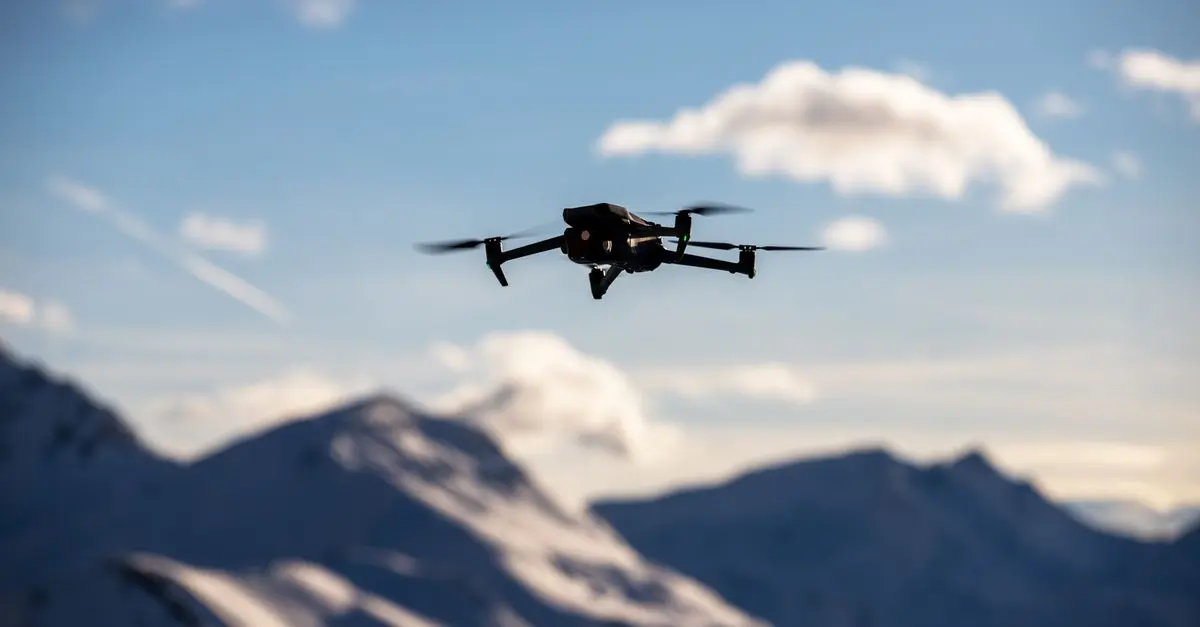
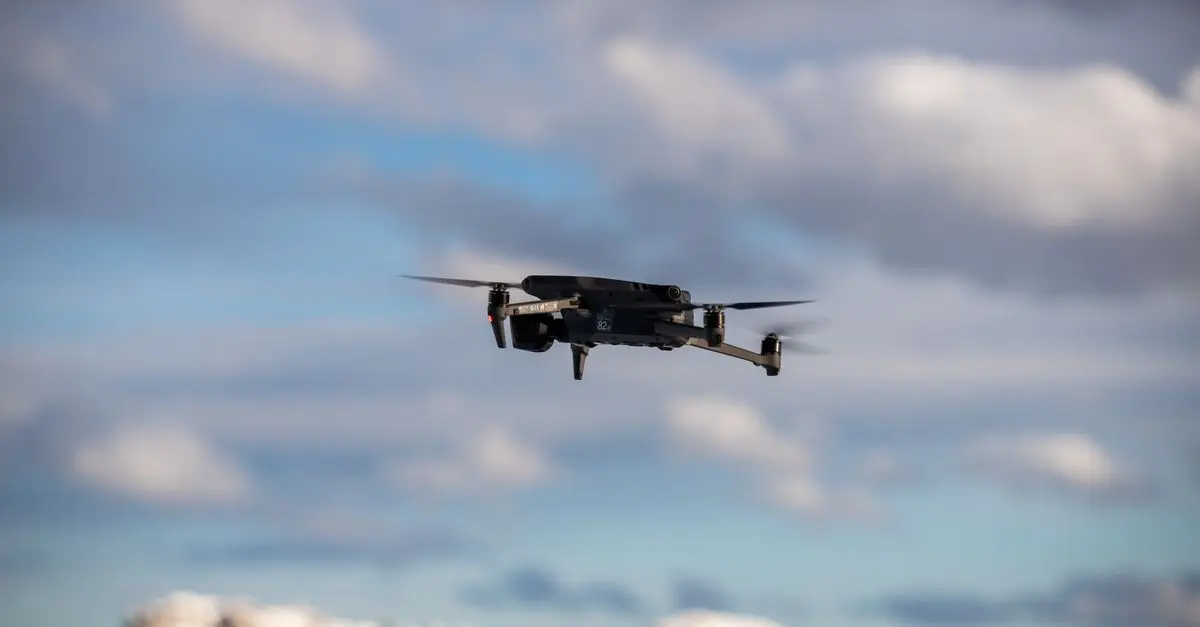
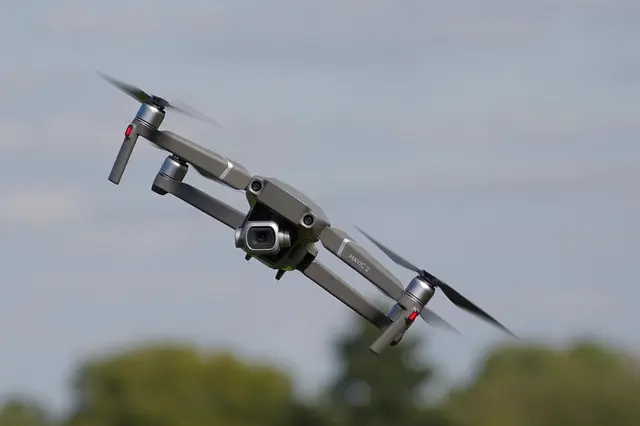
Drone technology refers to the use of unmanned aerial vehicles (UAVs) equipped with cameras, sensors, and various tools designed to collect data and perform specific tasks. In the context of environmental conservation, drones are invaluable in conducting aerial surveys, monitoring habitats, and gathering data on species populations. According to a report by Conservation Technology, nearly 70% of conservation organizations now utilize drone technology to enhance their fieldwork and research.
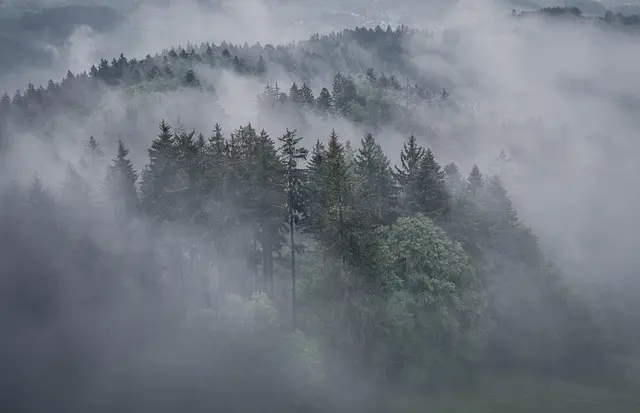
One essential aspect of drone technology is its ability to access remote and difficult terrains. For example, conservationists in dense forests or rugged mountains can deploy drones equipped with high-resolution cameras to gather data without disturbing the environment. This non-intrusive approach not only provides a clearer picture of biodiversity but also minimizes human impact on wildlife.
Practical Applications of Drones in Conservation
Habitat Monitoring
Drones are integral to habitat monitoring, allowing ecologists to track changes in vegetation, soil conditions, and the prevalence of invasive species. For instance, in the Amazon rainforest, drones equipped with multispectral sensors can help researchers quickly assess land use changes and detect illegal deforestation practices. In a recent study, researchers in the region found that drone imagery was twice as effective as traditional methods at identifying forest cover changes over a six-month period.
Wildlife Tracking
One of the remarkable applications of drone technology is in wildlife tracking. Drones can be equipped with thermal imaging cameras to locate and monitor endangered species, even in the dead of night. For instance, Wildlife Conservation Society has employed drone technology to track the movements of African elephants, significantly aiding in their protection from poachers. This capability not only allows for real-time tracking but also provides data on migration patterns and breeding behaviors, informing conservation strategies.
Anti-Poaching Initiatives
The fight against poaching has also been revolutionized by drone technology. With their capacity to cover vast areas in a short time, drones are increasingly used for surveillance in national parks and wildlife reserves. Organizations such as Earth Ranger utilize drones to patrol regions where poaching is rampant, allowing for quicker responses to illegal activities. This proactive approach has shown a significant decrease in animal poaching rates in monitored areas, underscoring the technology’s potential impact on wildlife protection.
Comparative Analysis of Drone Technologies for Conservation
Below is a comparative analysis of various drone technologies utilized in conservation efforts:
| Feature | Fixed-Wing Drone | Multi-Rotor Drone | Hybrid Drone | Professional Drone |
|---|---|---|---|---|
| Flight Duration | Up to 12 hours | 20-45 minutes | 2-3 hours | 30-60 minutes |
| Range | 100 km+ | 10 km | 50 km | 5-10 km |
| Payload Capacity | 2-5 kg | 1-2 kg | 2-3 kg | 1 kg |
| Cost | $5,000 - $20,000 | $1,000 - $5,000 | $10,000 - $30,000 | $2,000 - $10,000 |
In summary, while fixed-wing drones excel in long-range surveying, multi-rotor drones offer enhanced maneuverability and are ideal for short-distance tasks. Selecting the appropriate drone technology depends on the specific needs of the conservation project.
Data-Driven Insights: The Impact of Drones on Conservation
A significant driving factor behind the adoption of drone technology in conservation is the data it provides. For instance, studies show that drone surveys can collect up to 10 times more data than traditional methods, resulting in better-informed decisions. Moreover, according to a study published in Biological Conservation, organizations utilizing drone technology reported a 33% increase in operational efficiency and a 50% reduction in costs over traditional methods.
With the ability to provide high-resolution imagery and real-time data, drones can monitor environmental changes over time, providing invaluable insights into the health of ecosystems. This wealth of information further assists in making policy decisions and funding allocation for conservation efforts.
Expert Opinion
> 💡 Expert Opinion: Dr. Helen Ashford, an environmental scientist specializing in remote sensing, states: "Drones have transformed the way we approach conservation. Their ability to provide accurate data without disturbing wildlife is paramount for effective management strategies. In my experience, coupling drone technology with machine learning can increase our predictive capabilities concerning species behavior and habitat changes."
📺 Video Resource
> 📺 For further insights: How Drones are Changing Wildlife Conservation, a comprehensive look at the applications and benefits of drone technology in this field. Search on YouTube: "drones wildlife conservation 2026".
Frequently Asked Questions (FAQ)
- How are drones used in conservation?
Drones are used for habitat monitoring, wildlife tracking, and anti-poaching efforts through aerial surveillance and data collection.
- Are drones effective in tracking endangered species?
Yes, drones enable conservationists to monitor endangered species efficiently, providing real-time data on movements and behaviors.
- What is the cost range of drone technology for conservation initiatives?
Costs can range from a few hundred dollars for basic multi-rotor drones to tens of thousands for advanced fixed-wing and hybrid options.
- How does drone technology improve data collection in conservation?
Drones collect extensive data more swiftly and accurately than traditional methods, significantly enhancing operational efficiency.
Glossary
| Term | Definition |
|---|---|
| Drone Technology | The use of unmanned aerial vehicles for various applications, including data collection for environmental conservation. |
| Habitat Monitoring | The process of observing and assessing ecological environments to understand changes and threats. |
| Anti-Poaching | Strategies and actions undertaken to prevent the illegal hunting of wildlife. |
Checklist Before Implementation
- [ ] Assess environmental needs and research objectives.
- [ ] Compare drone options for suitability.
- [ ] Ensure compliance with local regulations regarding drone use.
- [ ] Conduct training for operators and conservation staff.
- [ ] Establish data collection protocols to maximize efficiency.
In conclusion, as challenges to environmental conservation escalate, the incorporation of drone technology is proving to be a game-changer. With its vast applications, from wildlife tracking to land monitoring, it significantly enhances efforts to protect our planet's precious ecosystems. By embracing this innovative technology, we can work toward a sustainable future.
Call to Action: Are you passionate about wildlife conservation? Consider supporting organizations that utilize drone technology to protect endangered species and habitats. Your contributions can make a significant difference in promoting a sustainable environment!
📺 Pour aller plus loin : drones wildlife conservation 2026 sur YouTube