Table of Contents (17 sections)
In recent years, drone technology in business operations has surged, becoming a cornerstone for various industries. As businesses strive for increased efficiency and productivity, drones offer innovative solutions that streamline operations, reduce costs, and enhance data collection. From logistics to agriculture, the versatility of drone technology is transforming various sectors, paving the way for smarter operations.
What is Drone Technology?
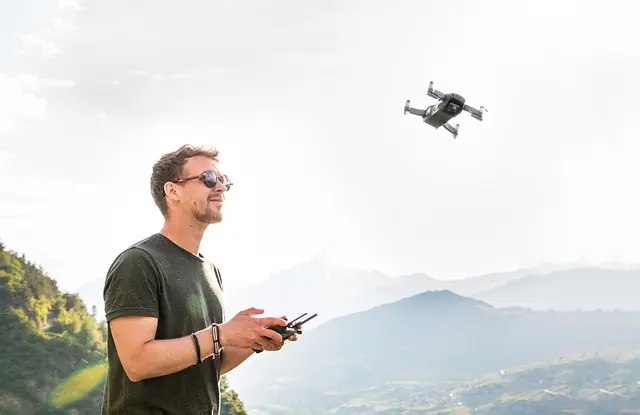
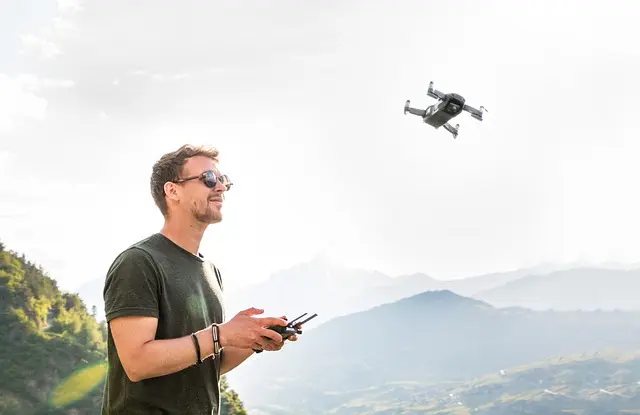
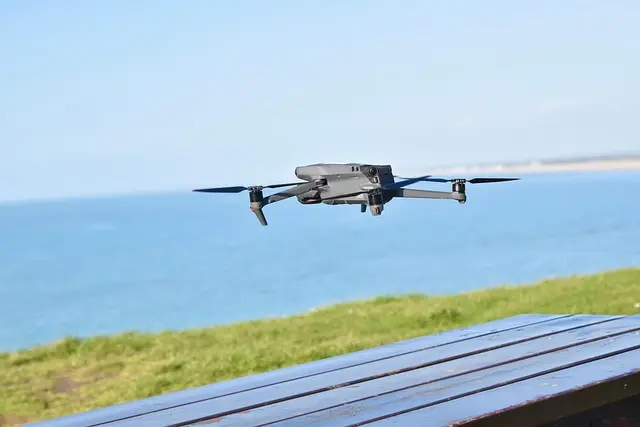
Drone technology involves the use of unmanned aerial vehicles (UAVs) equipped with cameras, sensors, and AI capabilities. These devices can be controlled remotely or autonomously and have found applications in industries ranging from agriculture to construction. Drones can facilitate tasks such as aerial surveying, inventory management, and real-time data collection, thereby improving operational efficiency. A 2025 report suggests that the global drone market is projected to exceed $43 billion by 2026, highlighting the growing dependence on technology in business operations.
Integrating Drone Technology into Business Operations
How to Implement Drones in a Business Context
Implementing drone technology in business operations begins with identifying the specific needs of the organization. Here’s a step-by-step guide:
- Identify Objectives: Determine what goals you want to achieve—be it cost reduction, data gathering, or operational efficiency.
- Choose the Right Drone: Select a UAV that meets your operational requirements. Consider factors such as payload capacity, flight time, and any specific sensors needed.
- Train Your Team: Ensure that employees are trained to operate the drones effectively. Investing in training programs enhances safety and operational competence.
- Integrate with Existing Systems: Drones should be seamlessly integrated with other technologies, such as inventory management or geographic information systems (GIS).
- Analyze Data: Gather and analyze the data collected by drones to drive informed decision-making.
Real-World Applications of Drone Technology
In logistics, companies like Amazon and UPS are exploring drone delivery systems. These drones can deliver packages in minutes, significantly reducing delivery times and costs. In agriculture, drones equipped with multispectral sensors allow farmers to monitor crop health and optimize resource usage, resulting in higher yields and lower water use. A survey by Frost & Sullivan in 2026 indicated that nearly 60% of farmers have adopted drone technology, revealing its crucial role in precision agriculture.


Drone Technology: A Comparative Look
| Sector | Application | Benefit | Challenges |
|---|---|---|---|
| Agriculture | Crop monitoring | Increased yield | High initial costs |
| Logistics | Package delivery | Reduced delivery times | Regulatory hurdles |
| Construction | Site surveying | Enhanced data collection | Requires skilled operators |
| Real Estate | Aerial photography | Improved marketing quality | Privacy issues |
This table illustrates the multifaceted applications of drone technology across various sectors. While significant benefits are evident, challenges remain, such as regulatory compliance and the need for skilled operators.
Statistics and Trends Shaping Drone Technology in Business
A report from Statista shows that in 2026, drone usage in urban areas has increased by 45%, particularly in delivery services. This shift towards urban drone operations is expected to enhance last-mile delivery solutions and alleviate traffic congestion. Furthermore, McKinsey & Company estimates that integrating drones into business processes can improve operational efficiency by 30-40%, demonstrating the technology's substantial impact. These statistics underscore the competitive advantage that drone technology provides businesses willing to innovate.
Expert Insights on Drone Technology
> 💡 Expert Opinion: Jason Smith, a technology consultant specializing in UAV applications, notes: "The key to leveraging drone technology lies in understanding its integrative capabilities with pre-existing systems. Companies adopting this technology need to address compliance and training to maximize operational benefits."
Frequently Asked Questions (FAQ)
Q1: How do drones improve efficiency in business operations?
A1: Drones enhance efficiency by speeding up data collection, automating repetitive tasks, and reducing labor costs. For example, drones can map fields faster than traditional methods, leading to quicker insights for farmers.
Q2: What regulations govern the use of drones in business?
A2: In the U.S., the Federal Aviation Administration (FAA) regulates drone operations. Businesses must adhere to guidelines regarding flight altitude, no-fly zones, and licensing requirements for drone pilots.
Q3: Are drones cost-effective for small businesses?
A3: While there is an initial investment, many small businesses find drones cost-effective in the long run due to reduced labor costs and increased operational efficiency.
Q4: How can businesses ensure safe drone operations?
A4: Training employees, conducting regular maintenance checks on drones, and following a strict operational protocol are vital to ensure safety during drone operations.

Milwaukee Leather 7.4V Men's True All Seasons Leather Jacket with Heated and Cool Technology
thewarmingstore.com
Samsung Laundry Dryer with AI Control and Heat Pump Technology in White(DV25FG62B0BEA2)
samsung.com

Samsung Front Load Washer & Dryer Set with Vibration Reduction Technology+ and Sensor Dry in White(BNDL-1603912197302)
samsung.com
Checklist Before Investing in Drone Technology
- [ ] Define your business goals for drone implementation.
- [ ] Research suitable drone models for your needs.
- [ ] Develop a training program for operators.
- [ ] Examine regulatory requirements in your region.
- [ ] Prepare to analyze data collected by drones.
Glossary
| Term | Definition |
|---|---|
| UAV (Unmanned Aerial Vehicle) | A type of aircraft that operates without a human pilot on board, commonly used in aerial photography or surveillance. |
| GIS (Geographic Information Systems) | Technology that captures, analyzes, and manages geographic data, often utilized alongside drone technology for mapping. |
| Payload Capacity | The maximum weight a drone can carry, crucial for determining the types of equipment or sensors it can transport. |
📺 Resource Video
For further insights: Explore the potential of drone technology in business operations. Search on YouTube: "drone applications in business 2026".
Conclusion
As drone technology continues to evolve, it offers businesses innovative solutions to enhance operations, drive efficiency, and maintain competitiveness in fast-paced markets. By understanding and integrating this technology thoughtfully, companies can realize significant advancements in their operational capabilities. Explore our recommended products below for tools that support your drone integration journey.
📺 Pour aller plus loin : drone applications in business 2026 sur YouTube
Recommended products
Selected by our experts

BISSELL CleanView with OnePass Technology Plus Upright Bagless Vacuum Sienna 3583
bissell.com

Clinique Redness Solutions Makeup Broad Spectrum SPF 15 With Probiotic Technology, Calming Honey - 1 fl. oz./30 ml
clinique.com

PLAUD Inc. Plaud Note AI Voice Recorder, Voice Recorder w/Case, App Control, Transcribe & Summarize with AI Technology, Support 112 Languages, 64GB
plaud.ai
Nonin Medical NoninConnect™ Finger Pulse Oximeter with Bluetooth® Smart Wireless Technology
concordhealthsupply.com
Nonin Medical NoninConnect™ Finger Pulse Oximeter with Bluetooth® Smart Wireless Technology
concordhealthsupply.com

Plaud NotePin AI Voice Recorder, Voice Recorder with Neck Strap Lanyard, Transcribe & Summarize with AI Technology, 64GB Memory
plaud.ai