Table of Contents (14 sections)
The ubiquity of drone technology has profoundly transformed the landscape of aerial photography. As drones become more accessible to enthusiasts and professionals alike, their capabilities expand, offering unprecedented creative opportunities. From stunning landscape captures to intricate aerial surveys, the advancements in drone technology are making aerial photography easier and more efficient than ever before. In this article, we'll explore the specific changes brought forth by drone technology and how they are changing the way we perceive and capture the world.
What is Drone Technology?
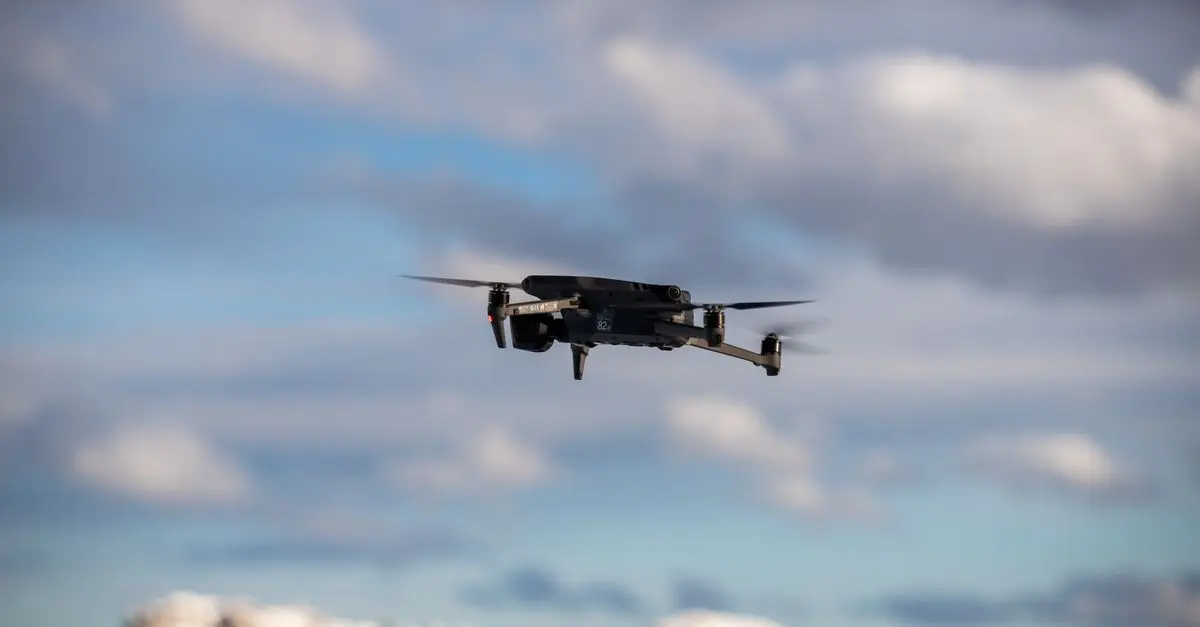
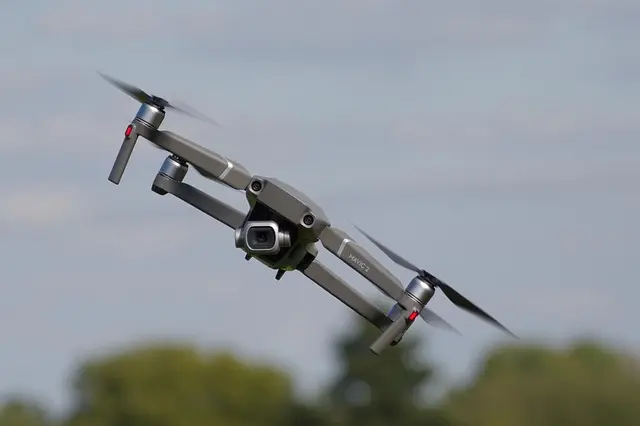
Drone technology refers to unmanned aerial vehicles (UAVs) that can be remotely piloted or autonomously flown using software-controlled flight plans. These devices are equipped with various tools, such as high-resolution cameras, GPS, and sensors, allowing users to capture images and video footage from unique perspectives. The evolution of drones over recent years has resulted in significant improvements in battery life, camera quality, and software capabilities, enabling stunning aerial photography.
According to The Federal Aviation Administration (FAA), the number of registered drones in the U.S. increased from approximately 400,000 in 2016 to about 1.7 million in 2026. This exponential growth highlights the increasing acceptance and integration of drones into various sectors, including photography. Drones have become powerful tools for capturing breathtaking images that were once only possible using expensive helicopters or aircraft, thus democratizing aerial photography for everyday users.
How Drones Enhance Aerial Photography
Versatility and Accessibility
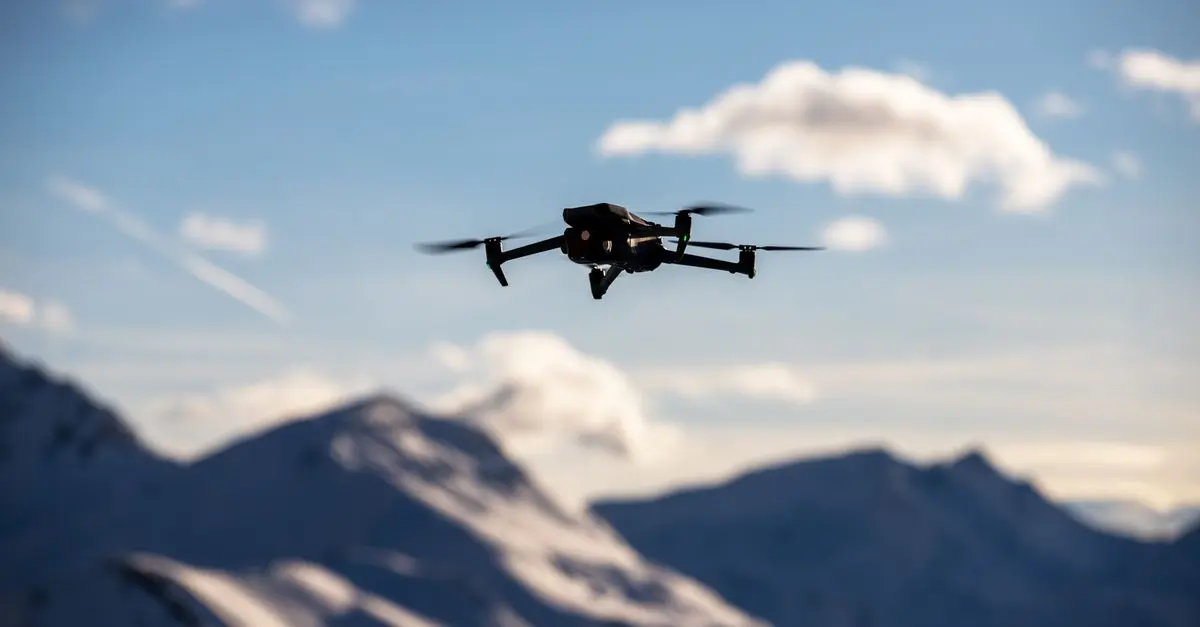
One of the most significant advantages of drone technology is its versatility. Drones can capture a variety of shots that traditional photography methods cannot achieve. They can fly at different altitudes, angles, and positions, allowing photographers to experiment with perspectives and compositions in ways that were not possible before. This allows for dynamic aerial shots that give landscapes, events, and subjects a fresh and engaging flair.
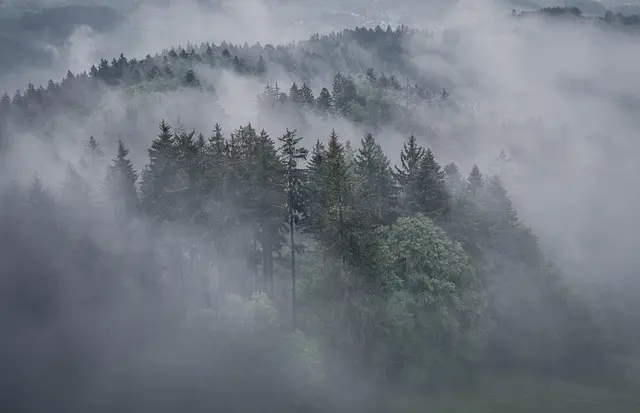
For instance, a drone can easily hover just above the treetops, providing a unique angle on a forest landscape, or rise to significant altitudes to capture an expansive city skyline. The key advantage is that drones can easily navigate spaces that would be challenging or impossible with traditional aerial photography methods. As a result, photographers can deliver more diverse content without incurring enormous expenses or logistical challenges.
Cost-Effective Solutions
Using drones for aerial photography is not only versatile but also cost-effective. Historically, aerial photography required large budgets to hire helicopters or planes, along with specialized personnel to operate them. In contrast, drones are relatively affordable, with many high-quality options available for under $1,000. This accessibility opens doors for aspiring photographers and smaller businesses that previously couldn't afford traditional aerial photography methods.
The sophisticated technology of modern drones also means that photographers can utilize advanced features, such as 4K HD video and high-resolution sensors, resulting in professional-quality imagery at a fraction of the cost of traditional methods. With rising consumer demand for aerial photography, this cost-effective solution is likely to fuel further growth in the industry.

Milwaukee Leather 7.4V Men's True All Seasons Leather Jacket with Heated and Cool Technology
thewarmingstore.com


Procedural Steps to Getting Started with Drone Photography
Getting started with drone photography requires a minimal investment and is fairly straightforward. Here’s a step-by-step guide:
- Select the Right Drone: Research the options available in your budget and choose one equipped with a high-quality camera and stable flight capabilities.
- Obtain Necessary Licenses: In many regions, including the U.S., you need to comply with regulations set by governing bodies like the FAA. Ensure you have the correct licenses and registrations.
- Practice Flying: Before shooting anything significant, practice flying your drone in controlled environments to familiarize yourself with its controls and capabilities.
- Scout Locations: Select interesting locations that will benefit from an aerial perspective. Visit them beforehand, if possible, to plan your shots.
- Plan Your Shots: Utilize flight planning apps to design your drone flights and outline potential shots. Pay attention to lighting, weather conditions, and specific angles.
- Shoot and Edit: Capture your images and videos. Use editing software to enhance the final product, making necessary adjustments and corrections for the best quality.
By following these steps, anyone can begin their journey into the world of drone photography, capturing unique images and videos.
Comparing Traditional vs. Drone Aerial Photography
Here's a comparative analysis between traditional aerial photography and drone technology:
| Criteria | Traditional Aerial Photography | Drone Aerial Photography | Verdict |
|---|
The clear advantages of drone technology make it an increasingly popular choice among photographers and videographers alike. The ability to deliver high-quality content without breaking the bank is allowing many creative professionals to thrive in their art.
Analytical Insights on Drone Technology Trends
Statistics show a positive trend in drone adoption within the photography industry. According to a survey by Statista, around 54% of professional photographers in the United States have incorporated drone technology into their services as of 2026. This statistic indicates that the tool is now seen as an essential asset in a photographer's arsenal.
Furthermore, with the anticipated market growth of drone technology, experts predict a compound annual growth rate (CAGR) of around 20% in the coming years for the drone industry. This is unprecedented, showcasing how rapidly this technology is evolving and reshaping professional photography. The growing acceptance of drone footage in real estate, event documentation, and cinematic productions exemplifies the significant change in photographic standards.
Expert Insights
> 💡 Expert Opinion: The integration of drones in photography has not only altered the processes involved but has raised the bar of creativity within the industry. Photography enthusiasts can now achieve cinematic quality photographs effortlessly, capturing shots that were previously just a vision.
- What are the best drones for aerial photography?
- The best drones vary depending on budget and specific needs, but look for models with high-resolution cameras, stability, and good battery life.
- Do I need a license to operate a drone for photography?
- Yes, in many countries, including the U.S., commercial drone operations require a specific license from aviation authorities.
- How can I enhance my drone photography skills?
- Practice is key. Experiment with different angles, light conditions, and editing techniques.
- What are the legal regulations for drone photography?
- Regulations differ between regions but typically include altitudes, no-fly zones, and permission requirements for aerial shots in populated areas.
Samsung Laundry Dryer with AI Control and Heat Pump Technology in White(DV25FG62B0BEA2)
samsung.com

Samsung Front Load Washer & Dryer Set with Vibration Reduction Technology+ and Sensor Dry in White(BNDL-1603912197302)
samsung.com

BISSELL CleanView with OnePass Technology Plus Upright Bagless Vacuum Sienna 3583
bissell.com
Checklist before Purchase
- [ ] Determine budget for drone
- [ ] Research camera quality
- [ ] Check battery life
- [ ] Verify user reviews and recommendations
- [ ] Understand local regulations and licensing requirements
Glossary
| Term | Definition |
|---|
| Drone | An unmanned aerial vehicle (UAV) used for various purposes, including photography and surveillance.
| Quadcopter | A type of drone with four rotors that offers stability and maneuverability.
| FPV | First-Person View; a mode allowing the operator to see what the drone sees via a live video feed.
📺 Resource Video
> 📺 For further exploration: Check out comprehensive tutorials on drone photography. Search on YouTube for: best drone photography techniques 2026.
Conclusion
As drone technology continues to evolve, it increasingly democratizes the art of aerial photography, providing tools that anyone can use to create stunning shots. Whether you're an aspiring photographer or a seasoned professional, embracing this technology can elevate your artistry and broaden your creative scope. Discover our recommended products below to get started on your drone photography journey!
📺 Pour aller plus loin : best drone photography techniques 2026 sur YouTube
Recommended products
Selected by our experts

Clinique Redness Solutions Makeup Broad Spectrum SPF 15 With Probiotic Technology, Calming Honey - 1 fl. oz./30 ml
clinique.com

PLAUD Inc. Plaud Note AI Voice Recorder, Voice Recorder w/Case, App Control, Transcribe & Summarize with AI Technology, Support 112 Languages, 64GB
plaud.ai
Nonin Medical NoninConnect™ Finger Pulse Oximeter with Bluetooth® Smart Wireless Technology
concordhealthsupply.com
Nonin Medical NoninConnect™ Finger Pulse Oximeter with Bluetooth® Smart Wireless Technology
concordhealthsupply.com

Plaud NotePin AI Voice Recorder, Voice Recorder with Neck Strap Lanyard, Transcribe & Summarize with AI Technology, 64GB Memory
plaud.ai