Table of Contents (19 sections)
Drone technology is rapidly transforming various sectors, and agriculture is no exception. As farmers face challenges such as climate change, soil degradation, and rising population demands, innovative solutions are vital. Drone technology in agriculture provides a unique approach to manage crops efficiently, ensuring maximum yield while minimizing environmental impact. This article explores the multifaceted role of drones in agriculture and how they are shaping the future of farming.
What is Drone Technology in Agriculture?
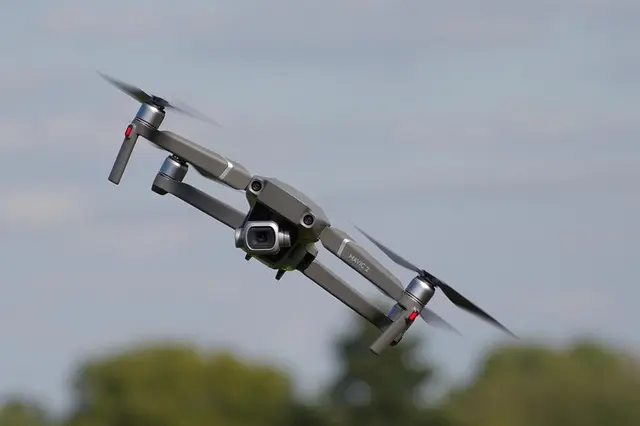
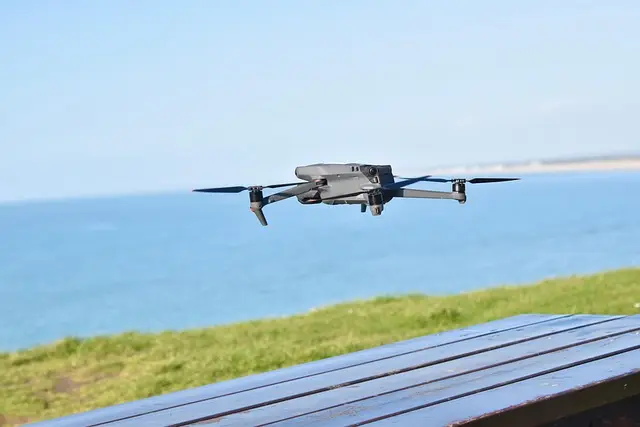
Drone technology, specifically in agriculture, refers to the use of unmanned aerial vehicles (UAVs) equipped with sensors, cameras, and data analytics software to monitor and manage agricultural practices. Drones can capture high-resolution images, which provide valuable insights into crop health, soil conditions, and resource utilization. According to a report from The World Bank, the agricultural drone market is expected to grow, reaching USD 6.8 billion by 2026. This growth underscores the increasing adoption of drone technology among farmers seeking precision in their operations.
Key Benefits of Drones in Agriculture
- Precision Farming: Drones facilitate data-driven decision-making by allowing farmers to collect precise data regarding their fields. This turns traditional guesswork into actionable insights.
- Cost Efficiency: By utilizing drones for monitoring, farmers can reduce labor costs and optimize input usage, which can lead to significant savings.
- Improved Crop Monitoring: Drones can cover large areas more efficiently than traditional methods, providing higher frequency data collection that helps in early detection of issues such as pest infestations or nutrient deficiencies.
- Enhanced Mapping: Drones can create detailed 3D maps of fields, which assists in planning irrigation and planting schedules, ultimately maximizing land use.
How to Implement Drone Technology in Agriculture
Step 1: Assess Your Needs
Before investing in drone technology, farmers need to evaluate their specific requirements. Identifying which agricultural practices would benefit from drone data can ensure that resources are allocated efficiently.
Step 2: Choose the Right Equipment
Not all drones are created equal. It is crucial to select a UAV that meets the required specifications, such as payload capacity for sensors and camera quality for imaging purposes.
Step 3: Gain Necessary Certifications
In many regions, operating drones for commercial purposes requires meeting regulatory standards. Familiarizing oneself with local regulations, including obtaining licenses or certifications, is essential to comply with legal requirements.
Step 4: Analyze Gathered Data
Once drones are operational, data analytics becomes a crucial part of the process. Understanding how to interpret data accurately can greatly enhance agricultural outcomes. Farmers should be prepared to invest in appropriate software or analytics tools that convert drone data into actionable insights.

Milwaukee Leather 7.4V Men's True All Seasons Leather Jacket with Heated and Cool Technology
thewarmingstore.com


Comparative Analysis: Drones vs. Traditional Methods
| Criterion | Drones | Traditional Methods | Verdict |
|---|---|---|---|
| Efficiency | Rapid coverage of vast areas | Labor-intensive and slow | Drones are faster |
| Cost | Lower operational costs | Higher labor and material costs | Drones offer cost advantages |
| Data Accuracy | High-resolution imaging | Limited data accuracy | Drones provide superior data |
| Technology Requirement | Requires some training to operate | Minimal training needed | Drones need specific expertise |
Data-Driven Insights on Drone Usage in Agriculture
Utilizing drones not only addresses immediate operational needs but also provides statistical advantages. According to a study by NASA, farms using drone technology have reported yield increases of up to 20%. Furthermore, a survey conducted by Agricultural Research Service indicated that more than 70% of farmers who implemented drone technology experienced improved crop health visibility, leading to more informed decisions regarding fertilization and pest control.
Expert Insights
> 💡 Expert Opinion: Drones present an invaluable tool in modern agriculture. Not only do they improve efficiency, but they enhance the farmer's ability to adopt sustainable practices. Integrating drone technology with other precision farming tools can lead to innovative solutions that address various agricultural challenges effectively.
Q1: What types of crops can drones monitor?
A1: Drones can monitor various crops including grains, vegetables, and fruits. They are particularly effective in large scale agribusiness where rapid monitoring is crucial.
Q2: Are drones environmentally friendly?
A2: Yes, drones can help reduce agricultural inputs by optimizing the use of water, fertilizers, and pesticides, leading to a lower environmental footprint.
Q3: How expensive is drone technology for farming?
A3: The cost can vary widely based on the features and capabilities of the drone. Basic models can start around a few hundred dollars, while advanced farming UAVs with specialized sensors can cost thousands.
Q4: Do I need to learn how to fly a drone?
A4: While many drones are user-friendly, some knowledge about flying and operating them is essential. Training and certification may be required in some areas for commercial use.
📺 Resource Video
📺 For further insights: Understanding Drone Technology in Agriculture, a detailed exploration of how drones are used in farming. Search on YouTube: "drone technology agriculture 2026".
Samsung Laundry Dryer with AI Control and Heat Pump Technology in White(DV25FG62B0BEA2)
samsung.com

Samsung Front Load Washer & Dryer Set with Vibration Reduction Technology+ and Sensor Dry in White(BNDL-1603912197302)
samsung.com

BISSELL CleanView with OnePass Technology Plus Upright Bagless Vacuum Sienna 3583
bissell.com
Checklist before adopting drone technology
- [ ] Assess specific agricultural needs
- [ ] Research and choose suitable drone models
- [ ] Obtain necessary certifications or licenses
- [ ] Invest in data analysis software
- [ ] Train personnel on drone operations
Glossary
| Term | Definition |
|---|---|
| UAV (Unmanned Aerial Vehicle) | A drone that operates without a human pilot on board, used for various applications including agriculture. |
| Precision Agriculture | An agricultural management concept based on observing, measuring, and responding to variability in crops to optimize yield. |
| Remote Sensing | Technology that measures the reflected light from the Earth’s surface, enabling insights into various agricultural factors. |
---
📺 Pour aller plus loin : drone technology agriculture 2026 sur YouTube
Recommended products
Selected by our experts

Clinique Redness Solutions Makeup Broad Spectrum SPF 15 With Probiotic Technology, Calming Honey - 1 fl. oz./30 ml
clinique.com

PLAUD Inc. Plaud Note AI Voice Recorder, Voice Recorder w/Case, App Control, Transcribe & Summarize with AI Technology, Support 112 Languages, 64GB
plaud.ai
Nonin Medical NoninConnect™ Finger Pulse Oximeter with Bluetooth® Smart Wireless Technology
concordhealthsupply.com
Nonin Medical NoninConnect™ Finger Pulse Oximeter with Bluetooth® Smart Wireless Technology
concordhealthsupply.com

Plaud NotePin AI Voice Recorder, Voice Recorder with Neck Strap Lanyard, Transcribe & Summarize with AI Technology, 64GB Memory
plaud.ai