Table of Contents (25 sections)
In recent years, drone technology has dramatically evolved, transforming various industries and shaping future innovations. The versatile applications of drones, ranging from logistics to agriculture and beyond, are paving the way for new standards of efficiency and data collection. This article delves into the transformative impact of drone technology, exploring its various applications, benefits, and challenges across different sectors.
Understanding Drone Technology
What Are Drones?
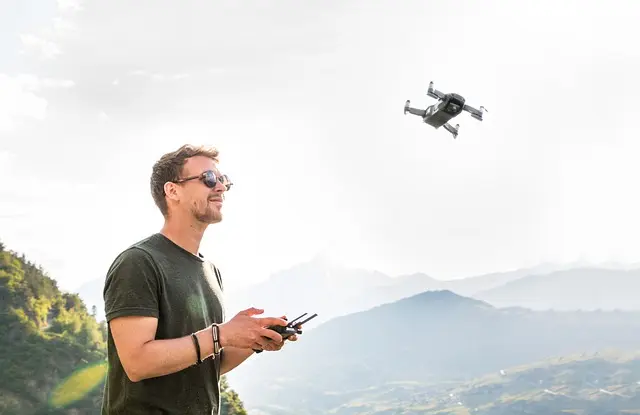
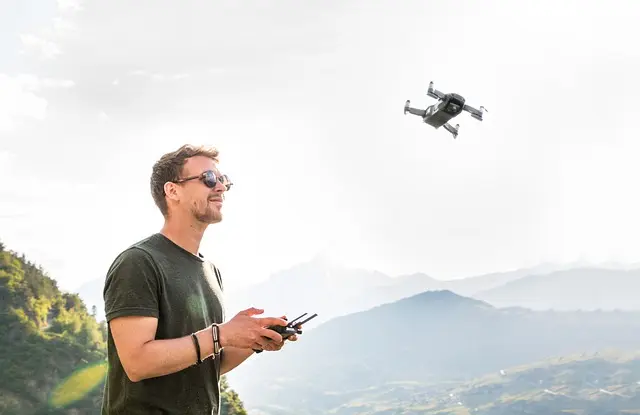
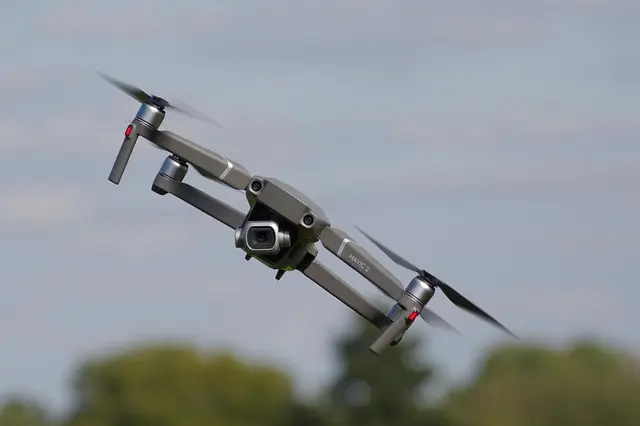
Drones, also known as unmanned aerial vehicles (UAVs), are aircraft operated without a pilot on board. They can be remotely controlled or can operate autonomously based on pre-programmed flight plans or more complex dynamic systems. The technology behind drones includes various sensors, cameras, and communication systems that enable them to perform specific tasks. In 2026, the utilization of drone technology is not limited to recreational purposes but has expanded to vital industries including agriculture, logistics, and emergency response.
Why Is Drone Technology Important?
The significance of drone technology lies in its ability to enhance operational efficiency and improve data collection methods. Drones can access hard-to-reach areas that are often dangerous for human operators, making them invaluable in sectors such as disaster relief and surveillance. According to a report by the Federal Aviation Administration (FAA), the drone market is expected to reach $43 billion by 2026, underscoring the growing acceptance and reliance on this technology.
Drone Technology in Agriculture
Transforming Agriculture with Precision
In the agricultural sector, drone technology is revolutionizing crop management and monitoring. Farmers can employ drones equipped with high-resolution cameras and sensors to capture aerial imagery of their fields. This data provides insights into crop health, soil conditions, and pest infestations, allowing farmers to make informed decisions. A study published by The International Journal of Remote Sensing indicated that using drones for agricultural tasks can increase crop yield by 10-15% through more targeted interventions.
Applications in Precision Agriculture
Precision agriculture utilizes drone technology to optimize field-level management regarding crop farming. For instance, drones can monitor crop growth, assess plant health, and accurately apply fertilizers and pesticides. By reducing waste and maximizing productivity, drone technology significantly impacts the agricultural economy. Farmers using drones have reported reducing their use of chemicals by 20% while simultaneously increasing yields.


Kingston Technology ValueRAM 8 Go 1x8 Go DDR5 5600 MT/s 262-pin SO-DIMM
Topbiz FR

Logistics and Delivery Services
Drone Delivery: A New Era of Logistics
The logistics industry is experiencing a profound evolution due to drone technology. Companies such as Amazon and UPS are investing heavily in drone delivery systems to enhance their operational efficiency. Drones can significantly reduce delivery times for small packages, allowing businesses to compete in a fast-paced market. According to a survey by McKinsey, nearly 80% of logistics companies are exploring drone delivery options.
Advantages of Drone Delivery Systems
The advantages of implementing drones in logistics are numerous:
- Speed: Drones can bypass traditional traffic, leading to quicker delivery times.
- Cost Reduction: Drones can decrease operational costs associated with delivery, such as fuel and labor.
- Environmental Impact: With electric drone options available, the environmental footprint of deliveries can be significantly reduced.
Challenges and Considerations
Despite the benefits, several challenges arise with the adoption of drone technology in logistics, including regulatory restrictions, safety concerns, and public perception. Notably, the FAA has strict regulations governing drone airspace, making compliance crucial for businesses looking to implement drone services successfully.
Emergency Services and Public Safety
Drones in Emergency Response
Drones play a crucial role in enhancing emergency services. In disaster scenarios, drones can quickly assess damage, search for survivors, and deliver medical supplies to remote areas. For example, during the California wildfires, drones equipped with thermal imaging helped locate missing persons and assess the extent of damage.
Benefits in Public Safety Operations
- Rapid Assessment: Drones provide real-time data, enabling authorities to respond effectively.
- Cost-Effective Resource Use: Deploying drones can reduce costs associated with helicopters and ground vehicles in emergencies.
- Safety for Responders: Drones can survey dangerous areas, minimizing risk to human life.
Comparative Analysis of Drone Applications
| Sector | Benefits | Challenges | Future Outlook |
|---|
| Agriculture | Increased yields, reduced chemical use | Initial costs, regulatory hurdles | Expansion in data analytics and monitoring
| Logistics | Faster deliveries, cost reduction | Regulatory issues, safety concerns | Widespread adoption within 5 years
| Emergency Services | Quick assessments, enhanced safety | Public acceptance, equipment costs | A critical response tool in crises
Expert Insights
> 💡 Expert Opinion: The future of drone technology hinges not just on innovation but on the development of robust regulatory frameworks and public acceptance. Feedback from users highlights that while drones are transforming industries, there is still a need for comprehensive regulations to ensure safety and privacy.
Frequently Asked Questions (FAQ)
Q1: What industries are currently using drone technology?
A1: Drone technology is primarily used in agriculture, logistics, emergency services, construction, and environmental monitoring.
Q2: How safe are drones for public use?
A2: Drones are generally safe when operated within regulated airspace and by certified pilots. Regulatory bodies like the FAA enforce strict guidelines to enhance safety.
Q3: What is the future of drone technology?
A3: The future of drone technology is promising, with advancements in AI, increased payload capabilities, and improved regulatory frameworks expected to enhance their utility across various sectors.
Q4: Are there privacy concerns related to drone technology?
A4: Yes, privacy concerns arise from the potential misuse of drones for surveillance. Many regions are implementing laws to address these issues and ensure responsible use.
Glossary
| Terme | Définition |
|---|---|
| UAV (Unmanned Aerial Vehicle) | Unmanned aircraft flown remotely or autonomously, commonly known as a drone. |
| Precision Agriculture | Farming management that uses technology to monitor and optimize crop production. |
| Thermal Imaging | Technology that detects heat emitted from objects, used in drones for search and rescue operations. |
Checklist before purchasing a drone
- [ ] Determine the purpose of use
- [ ] Research and compare models
- [ ] Check regulatory requirements in your area
- [ ] Evaluate battery life and range
- [ ] Consider warranty and customer support
📺 For further exploration:
Watch “The Future of Drones in Industry” for an in-depth analysis of how drones are shaping sectors today. Search on YouTube: “future of drone technology 2026”.
Conclusion
The impact of drone technology on various industries is profound and continually evolving. As innovations pave the way for new possibilities, businesses across sectors must recognize the potential of drones to optimize operations and enhance decision-making. This technology, while still in its developmental stage, holds the key to driving efficiency and productivity in the future. Explore the drone technology products we recommend below for your next venture into this exciting field.
📺 Pour aller plus loin : future of drone technology 2026 sur YouTube
Recommended products
Selected by our experts
Kingston Technology FURY 16GB 3200MT/s DDR4 CL20 SODIMM Impact
Topbiz FR
This product enhances the performance of drones, allowing for smoother operations in various applications.
Kingston Technology ValueRAM 8 Go 1x8 Go DDR5 5600 MT/s 262-pin SO-DIMM
Topbiz FR
Ideal for building powerful drone systems, this product supports enhanced processing speeds for complex tasks.
Kingston Technology FURY Beast 16GB 6400MT/s DDR5 CL32 DIMM RGB EXPO
Topbiz FR
This high-speed memory option is recommended for drones that require quick data processing for improved efficiency.