Table of Contents (15 sections)
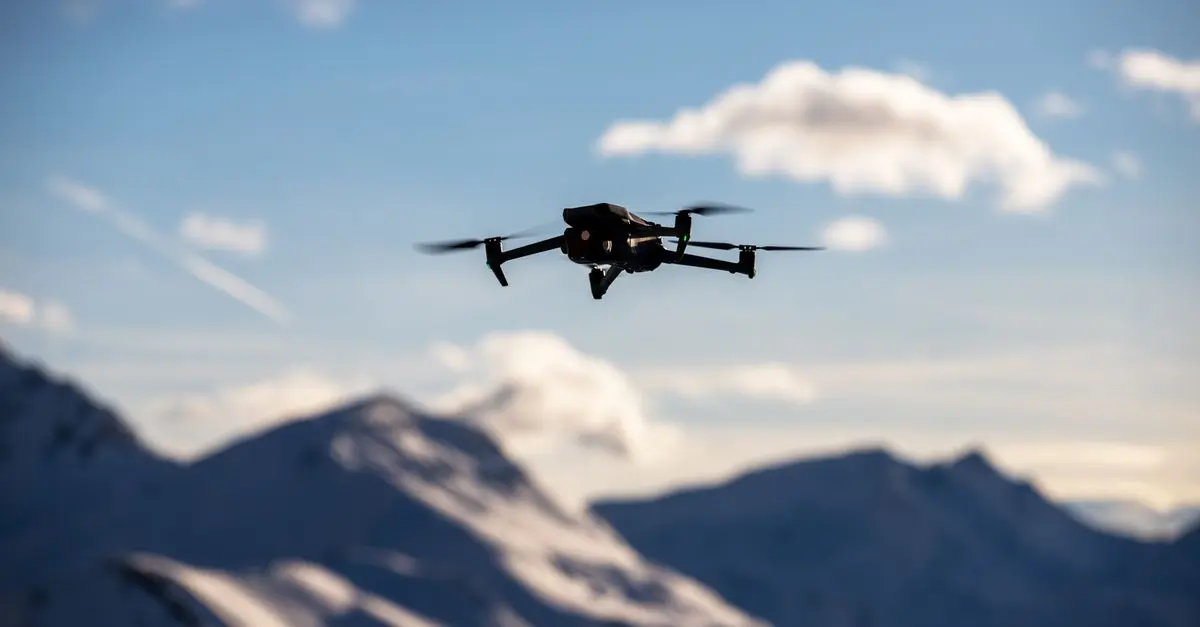
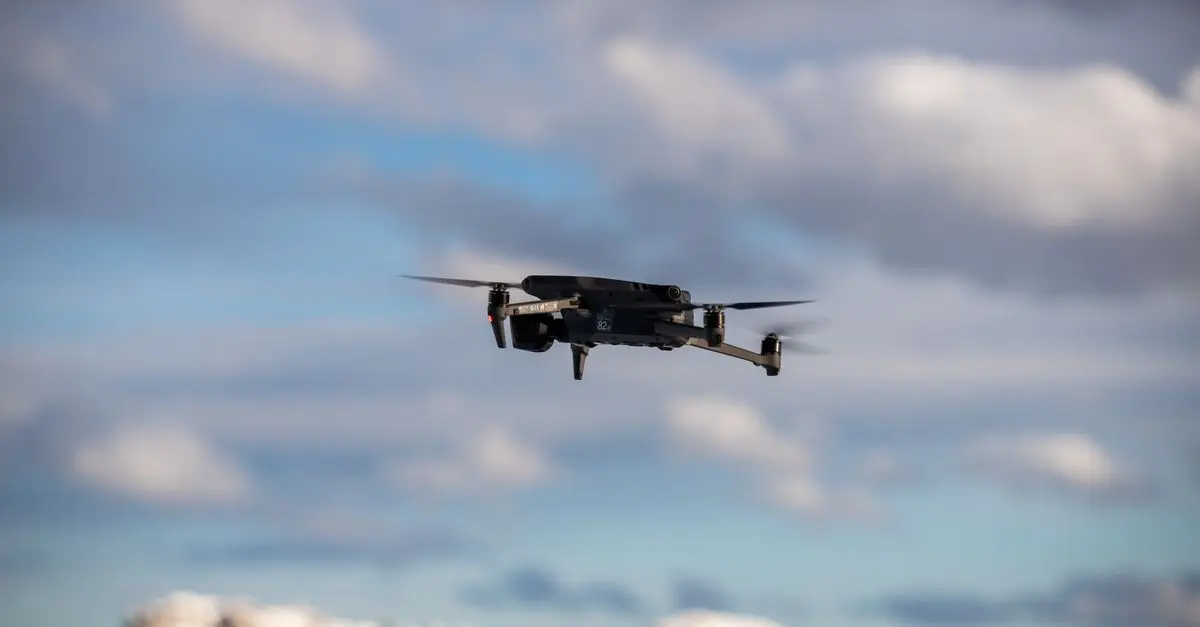
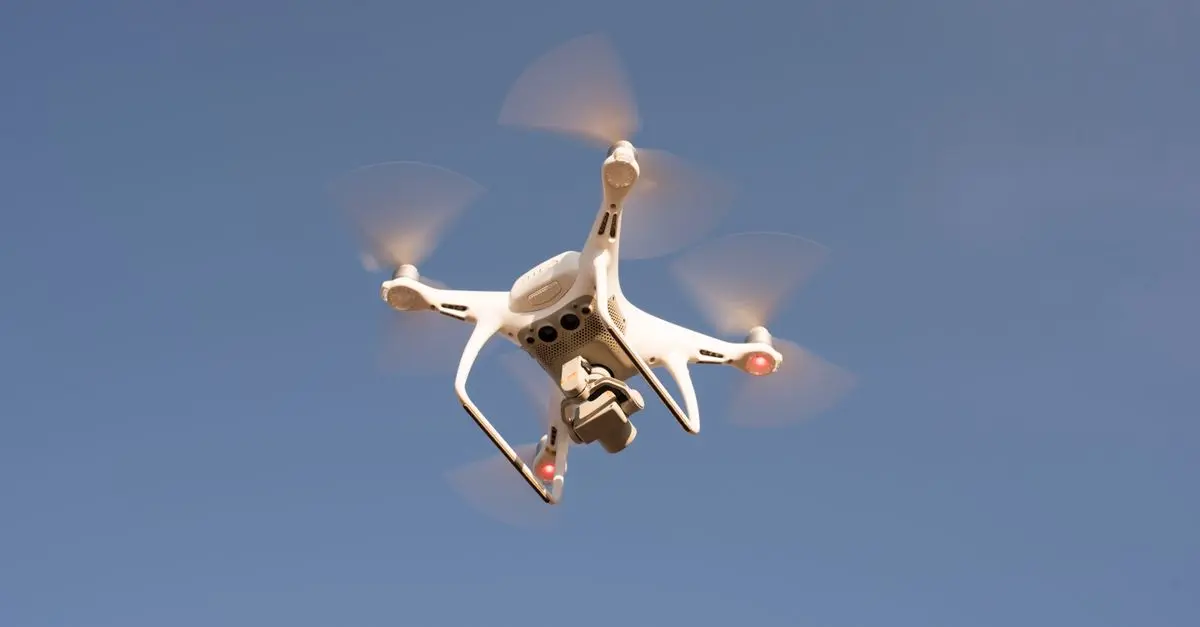
Drones, also known as unmanned aerial vehicles (UAVs), are rapidly transforming emergency services by providing advanced technological solutions for real-time problem-solving. A drone is a powered aircraft that does not require a human pilot on board, allowing it to be operated remotely or autonomously. This capability makes drones especially valuable in emergency response scenarios, where time is of the essence and conditions are often unpredictable.
The integration of drone technology with emergency services is driven by the need for rapid response to crises such as natural disasters, accidents, or medical emergencies. By utilizing aerial views and advanced sensors, drones can provide critical situational awareness and data analytics to first responders on the ground. For instance, during wildfires, drones can survey vast areas, identifying hotspots and guiding firefighting strategies more effectively than traditional methods.
According to a report from UFC-Que Choisir, emergency services utilizing drone technology have reported a reduction in response times by up to 20%. Drones can quickly deploy and navigate difficult terrains which might be inaccessible for ground vehicles. As of 2026, countries like France and the U.S. are beginning to standardize drone operations within emergency management systems, highlighting their potential as game-changers in public safety.
How Drones Operate in Emergency Situations
The operational framework for drones in emergency services is multifaceted, involving several key stages: preparation, deployment, data collection, and post-operation analysis. Below is a step-by-step breakdown of how drones are effectively used in emergency response.
Step 1: Pre-Deployment Planning
Before deploying a drone, emergency services must conduct extensive planning. This includes identifying the area of operation, assessing potential hazards, and establishing communication protocols. For example, hospitals and medical response units may coordinate with local law enforcement to ensure airspace safety before a drone is launched.
Step 2: Rapid Deployment
Once planning is complete, drones can be rapidly deployed to the location. Unlike traditional helicopters, drones require less logistical support, allowing them to be airborne within minutes. This rapid deployment capability is essential in time-sensitive situations such as search and rescue missions, where every minute counts.
Step 3: Real-Time Data Collection
Equipped with high-resolution cameras, thermal imaging sensors, and other technology, drones provide real-time video feeds and data to ground teams. This information can illustrate the terrain and identify victims or hazardous conditions. For example, in flood response operations, drones can locate stranded individuals from the sky and direct rescue units effectively.
Step 4: Post-Operation Analysis and Feedback
After the operation, data collected by drones needs to be analyzed for future improvement. Emergency services evaluate what went well and what could be enhanced in subsequent missions. This continuous feedback loop is essential for refining operation strategies and maximizing efficiency.
Advantages of Using Drones in Emergency Services
There are numerous benefits to incorporating drone technology into emergency services. Here are three significant advantages:
- Increased Speed and Efficiency: Drones can cover large areas much faster than traditional ground units, enabling quicker assessments and faster decision-making.
- Enhanced Safety for Responders: Utilizing drones allows emergency personnel to gather information without exposing themselves to potentially dangerous conditions, such as in active fire zones or hazardous chemical spills.
- Cost-Effective Solutions: Although the initial investment in drone technology can be substantial, the long-term savings on manpower and operational costs can be significant. Drones reduce the need for manned helicopter operations and allow for more flexibility in resource allocation.
| Advantage | Traditional Methods | Drone Technology | Verdict |
|---|---|---|---|
| Speed | Moderate | High | Drones are faster |
| Safety | High risk for personnel | Low risk for personnel | Drones enhance safety |
| Cost | High operational costs | Lower long-term costs | Drones are cost-effective |
While the advantages of drone technology in emergency services are clear, several challenges must be addressed to maximize their effectiveness. Regulatory Hurdles: The integration of drones into public airspace requires navigating complex regulations set by aviation authorities. Many regions have specific rules regarding drone flight, requiring operators to have certifications and undergo training.
Privacy Concerns: The use of drones in populated areas may raise concerns about privacy violations. Public awareness and transparent communication about drone missions are critical in mitigating these issues.
Technical Limitations: The effectiveness of drone operations is significantly influenced by weather conditions and battery life. Adverse weather, such as high winds or rain, can impede a drone's ability to function reliably during critical moments.

Milwaukee Leather 7.4V Men's True All Seasons Leather Jacket with Heated and Cool Technology
thewarmingstore.com
Nonin Medical NoninConnect™ Finger Pulse Oximeter with Bluetooth® Smart Wireless Technology
concordhealthsupply.com
Expert Insights
> 💡 Expert Opinion: According to recent assessments from technology analyst Forrester Research, drones will become an essential component of emergency services over the next decade. The ongoing development of drone technology, such as enhanced battery life and AI capabilities, suggests that their potential will only continue to grow, streamlining emergency responses and improving outcomes for affected communities.
📺 Video Resource
> 📺 For further insights: Explore how drones are used in emergency situations, showcasing their capabilities in real-life scenarios. Search on YouTube: drone technology emergency services 2026.
Frequently Asked Questions
Q1: What types of emergencies can drones assist with?
A1: Drones can assist in various emergencies, including natural disasters like floods and wildfires, search and rescue operations, and traffic accident investigations.
Q2: Are there any risks involved in using drones for emergency services?
A2: Yes, risks include potential technical failures, adverse weather conditions, and regulatory compliance issues. However, proper training and protocols can mitigate these risks.
Q3: How long can drones operate before needing to recharge?
A3: Most drones have a flight time of 20 to 30 minutes, depending on the model and battery capacity. Advanced models may have longer durations.
Q4: What kind of training is required for drone operators in emergency services?
A4: Operators typically need to complete a certification process that covers drone piloting skills, regulations, and emergency protocols.
Glossary
| Term | Definition |
|---|---|
| Drone | An unmanned aerial vehicle controlled remotely or autonomously. |
| UAV | Unmanned Aerial Vehicle; another term for drones, typically used in military or civil contexts. |
| Real-Time Data | Information that is provided immediately as events occur, crucial in emergency scenarios. |


Samsung Laundry Dryer with AI Control and Heat Pump Technology in White(DV25FG62B0BEA2)
samsung.com
Checklist before considering drone technology for emergency services
- [ ] Evaluate the specific needs of your emergency services
- [ ] Understand local regulations regarding drone operation
- [ ] Invest in proper training for drone operators
- [ ] Choose the appropriate drone technology for your mission
- [ ] Incorporate feedback loops for operational improvement
Conclusion
Drones are revolutionizing emergency services by providing innovative solutions that enhance response times and effectiveness. As this technology continues to evolve, it holds the potential to save countless lives and resources in future emergencies. To better equip yourself or your organization with the capabilities of drone technology, we have selected several recommended products that can suit various needs in emergency response.
Recommended Products
-
-
-
📺 Pour aller plus loin : drone technology emergency services 2026 sur YouTube
Recommended products
Selected by our experts

Samsung Front Load Washer & Dryer Set with Vibration Reduction Technology+ and Sensor Dry in White(BNDL-1603912197302)
samsung.com

BISSELL CleanView with OnePass Technology Plus Upright Bagless Vacuum Sienna 3583
bissell.com

Clinique Redness Solutions Makeup Broad Spectrum SPF 15 With Probiotic Technology, Calming Honey - 1 fl. oz./30 ml
clinique.com

PLAUD Inc. Plaud Note AI Voice Recorder, Voice Recorder w/Case, App Control, Transcribe & Summarize with AI Technology, Support 112 Languages, 64GB
plaud.ai
Nonin Medical NoninConnect™ Finger Pulse Oximeter with Bluetooth® Smart Wireless Technology
concordhealthsupply.com

Plaud NotePin AI Voice Recorder, Voice Recorder with Neck Strap Lanyard, Transcribe & Summarize with AI Technology, 64GB Memory
plaud.ai