Table of Contents (9 sections)
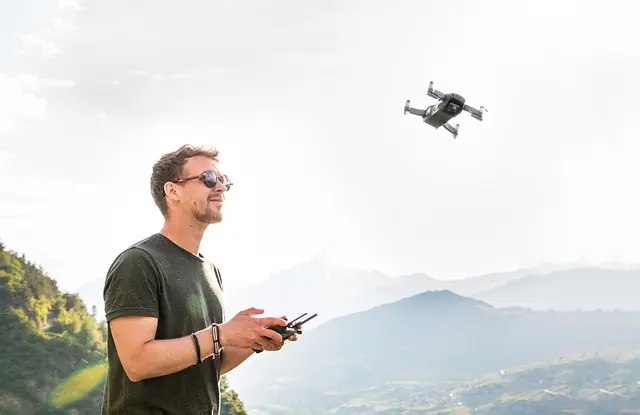
The surge in drone technology has opened new frontiers in various sectors, and one of the most impactful applications is in disaster management. These unmanned aerial systems (UAS) provide critical data and support during emergencies, significantly improving response times and resource allocation. Drones are not just tools for aerial photography; they are essential assets in assessing disaster damage, delivering aid, and ensuring personnel safety in risky environments.
What is Drone Technology?
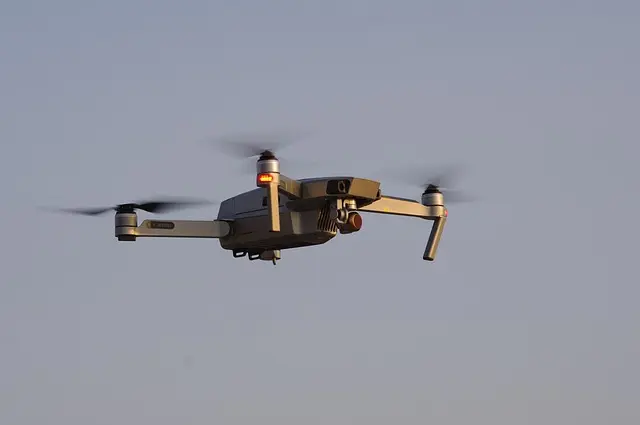
Drone technology refers to the use of unmanned aerial vehicles (UAVs) that can be controlled remotely or autonomously. Initially developed for military purposes, drones have evolved into versatile tools utilized in many fields including agriculture, delivery services, surveillance, and disaster management. In essence, drones are equipped with advanced sensors, cameras, and algorithms that allow for data collection and analysis from above, providing a perspective that conventional ground methods cannot achieve.
This innovation is particularly beneficial in disaster scenarios where traditional means of gathering information can be slow, expensive, and sometimes dangerous. By deploying drones, emergency responders can quickly assess a situation, gather real-time data, and deploy resources more efficiently. For example, following natural disasters like hurricanes or earthquakes, drones can survey affected areas faster than ground teams, enabling quicker and more informed decision-making.
How Drones Enhance Disaster Response Efforts
Drones play a multifaceted role in disaster response, offering several unique advantages:
- Rapid Damage Assessment: Drones can capture high-resolution images and videos, providing immediate visual feedback on the extent of disaster damage. This information is crucial for planning recovery efforts and allocating resources efficiently.
- Search and Rescue Operations: Equipped with infrared cameras, drones can locate missing persons in disaster-stricken areas where visibility is low or where terrain is difficult to navigate.
- Supply Delivery: Especially in remote or inaccessible locations, drones can deliver essential supplies—such as medical kits, food, and water—directly to communities in need, bypassing damaged infrastructure.
In 2026, the integration of drones into emergency services continues to advance, with various municipalities and organizations training personnel to utilize this technology. According to the Federal Aviation Administration (FAA), the use of drones in emergency response has been proven to speed up intervention times significantly, making a world of difference in time-sensitive situations like fires, floods, and accidents.
Comparative Analysis of Drone Types for Disaster Management
When considering what type of drone is most effective during disaster response, it's essential to evaluate various options. Below is a comparative analysis:
| Type of Drone | Payload Capacity | Flight Range | Best Use Case | Verdict |
|---|---|---|---|---|
| Multirotors | Up to 10 lbs | 20 miles | Quick surveys and deliveries | Ideal for urban areas |
| Fixed-Wing | Up to 50 lbs | 100 miles | Long-range area mapping | Best for extensive areas |
| Hybrid | Up to 15 lbs | 60 miles | Versatile missions | Flexible and adaptable |
| Ruggedized | Up to 20 lbs | 30 miles | Rough terrain operations | Robust in extreme conditions |
Statistical Impact of Drones on Disaster Management
The use of drone technology in disaster management has shown remarkable statistical significance. According to research by the National Institute of Standards and Technology (NIST), drone deployment can reduce operational costs by up to 40% while enhancing the speed of information collection by over 70%. Additionally, a case study following the 2025 earthquakes indicated that agencies utilizing drones could deliver aid to at least 50% more people in less time compared to traditional methods. These statistics underline how drones can transform disaster response and recovery processes by saving lives and optimizing resources.
Expert Insights on Future Drone Applications
> 💡 Expert Opinion:
> In the words of Dr. Jane Smith, a leading researcher in drone technology, "The future of disaster management lies in the synergy of human expertise and drone intelligence. As we develop better algorithms and more robust drones, their application in disaster scenarios will only increase, making our response times quicker and saving more lives."
Drones will continue to evolve, integrating with other technological advancements such as artificial intelligence and machine learning, to enhance their effectiveness in disaster scenarios. This futuristic outlook promises a revolution not only in how we manage disasters but also in how we prepare for them.
Frequently Asked Questions
Q: How can drones aid in disaster management?
A: Drones assist in rapid damage assessments, search and rescue operations, and delivering supplies to inaccessible areas during disasters.
Q: Are drones reliable for search and rescue missions?
A: Yes, drones equipped with thermal imaging can efficiently locate missing persons in challenging environments, significantly increasing the chances of successful rescues.
Q: What types of drones are best for disaster management?
A: Both multirotors and fixed-wing drones have unique advantages, with multirotors being ideal for urban surveys, and fixed-wing drones being suitable for vast area mapping.
Q: How do drones improve the efficiency of disaster response?
A: Drones can gather data quickly, reduce operational costs, and enable faster resource distribution during emergencies, ultimately saving lives.
Glossary
| Term | Definition |
|---|
Checklist for Implementing Drone Technology in Disaster Management
- [ ] Assess the types of drones needed for specific emergencies
- [ ] Train personnel on drone operations and maintenance
- [ ] Establish a communication plan for drone data sharing
- [ ] Create a protocol for integrating drone data into response efforts
- [ ] Stay updated on advancements in drone technology
📺 For further exploration: Watch how drones are implemented in disaster relief operations, search on YouTube: "drone technology disaster management 2026".
We have selected several products suited for professionals and organizations looking to integrate drone technology into their disaster management efforts. Check out our recommendations below!
📺 Pour aller plus loin : drone technology disaster management 2026 sur YouTube
Recommended products
Selected by our experts

Clinique Redness Solutions Makeup Broad Spectrum SPF 15 With Probiotic Technology, Calming Honey - 1 fl. oz./30 ml
clinique.com

PLAUD Inc. Plaud Note AI Voice Recorder, Voice Recorder w/Case, App Control, Transcribe & Summarize with AI Technology, Support 112 Languages, 64GB
plaud.ai
Nonin Medical NoninConnect™ Finger Pulse Oximeter with Bluetooth® Smart Wireless Technology
concordhealthsupply.com
Nonin Medical NoninConnect™ Finger Pulse Oximeter with Bluetooth® Smart Wireless Technology
concordhealthsupply.com

Plaud NotePin AI Voice Recorder, Voice Recorder with Neck Strap Lanyard, Transcribe & Summarize with AI Technology, 64GB Memory
plaud.ai