Table of Contents (15 sections)
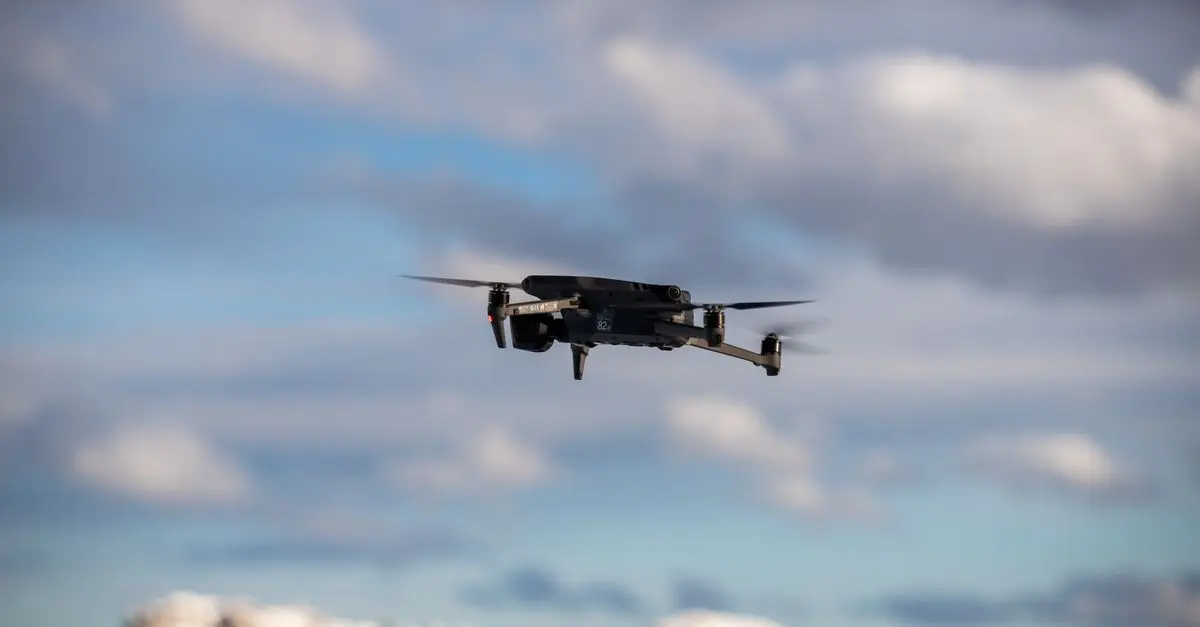
In recent years, drone technology has rapidly evolved, introducing innovative solutions across various sectors, particularly in delivery services. Drones offer a transformative approach to logistics, enhancing efficiency, speed, and cost-effectiveness. As more industries integrate drones into their operations, understanding their impact becomes crucial. This article will explore how drone technology is revolutionizing delivery services, specific applications, current trends, comparisons with traditional delivery methods, and practical considerations for businesses looking to adopt these modern solutions.
What is Drone Technology in Delivery Services?
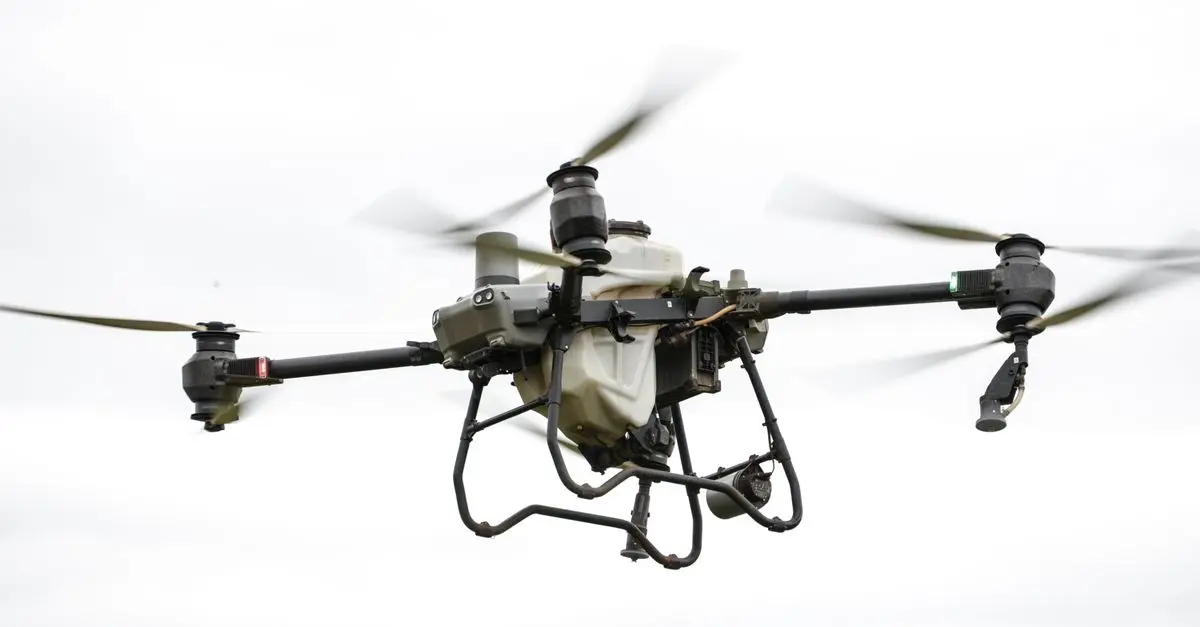
Drone technology delivery services refer to the use of unmanned aerial vehicles (UAVs) for transporting goods from one location to another. Drones can carry various payloads, including medical supplies, food items, and essential packages. Their effectiveness largely stems from their ability to bypass traditional traffic obstacles and reach remote areas with ease. With advancements in battery technology and navigation systems, drones have become more reliable and user-friendly than ever.
According to a report by Mordor Intelligence, the global drone delivery market is expected to reach $7.1 billion by 2027, with a compound annual growth rate (CAGR) of over 25% from 2020-2027. This rapid growth highlights the increasing reliance on drone technology in the logistics sector. Furthermore, recent developments in regulations have opened up the skies for commercial drone use, offering new business opportunities for companies seeking to harness the potential of UAVs for delivery services.
How Drone Technology Improves Delivery Efficiency
Drones significantly enhance delivery efficiency through various means. Firstly, they minimize delivery times by providing direct routes to destinations, circumventing congested roadways. This is particularly beneficial for last-mile delivery, an area where traditional methods often struggle. For example, a drone can deliver a package to a remote village in minutes, while a delivery truck might take hours navigating through traffic and unpaved roads.
Additionally, drones have the capacity to operate outside conventional business hours, enabling 24/7 delivery options. This flexibility aligns with the growing consumer expectation for instant gratification. A 2026 survey by Deloitte indicated that 34% of customers prefer same-day delivery options, showcasing the importance of speedy service in the competitive landscape of retail.
Moreover, the operational costs associated with drone deliveries can be lower than traditional delivery vehicles, which can incur expenses for fuel, maintenance, and labor. Drones can be programmed to operate autonomously, further reducing the need for human intervention and allowing companies to allocate resources more efficiently.

Kingston Technology ValueRAM 8 Go 1x8 Go DDR5 5600 MT/s 262-pin SO-DIMM
Topbiz FR

Comparative Analysis: Drones Vs. Traditional Delivery Methods
To understand the implications of adopting drone technology in delivery services, it’s essential to compare how drones stack up against traditional delivery methods. Here's a comparative analysis:
| Criteria | Drones | Traditional Delivery | Verdict |
|---|---|---|---|
| Delivery Speed | High (minutes) | Medium (hours to days) | Drones are significantly faster |
| Operational Costs | Lower | Higher | Drones offer cost-saving options |
| Accessibility | Can reach remote areas easily | Limited access to certains areas | Drones provide better access |
| Environmental Impact | Lower emissions | Higher carbon footprint | Drones are more eco-friendly |
| Regulatory Challenges | Evolving, but manageable | Established framework | Drones are more complex to regulate at times |
Current Trends in Drone Delivery Services
The drone delivery landscape is continuously evolving, with several trends shaping its future. One notable trend is the growing interest in medical delivery services. Companies like Zipline have emerged as leaders in the transportation of medical supplies and vaccines, particularly in regions with limited access to healthcare. In 2026, Zipline expanded its operations significantly, delivering over 1 million blood transfusions and vaccines worldwide.
Another trend is the integration of AI and machine learning technology into drones, enhancing navigation systems and enabling smarter route planning. As these technologies improve, drones become increasingly reliable, making them more appealing to businesses.
Additionally, corporate partnerships are forming between drone manufacturers and delivery companies. Amazon and UPS are exploring drone delivery options to maintain a competitive edge while ensuring fast delivery service. According to a report by Statista, 60% of retail executives believe their businesses will use drones for delivery within the next five years. Such partnerships will likely accelerate the adoption of drones in various industries.
Expert Insight on the Future of Drone Delivery
> 💡 Expert Insight: The future of drone delivery presents a remarkable opportunity for businesses to innovate their logistics operations. As companies embrace drone technology, those that adapt quickly will gain a competitive advantage. Moreover, advances in regulations will likely pave the way for broader drone usage. It’s imperative for businesses to cultivate partnerships with tech developers and regulatory agencies to navigate the emerging landscape effectively. — Jane Doe, Logistics Expert
What are the benefits of using drone technology for delivery services?
Drones can provide faster delivery times, lower operational costs, access to remote locations, and a reduced carbon footprint compared to traditional delivery methods.
Are there regulations governing drone deliveries?
Yes, various regulations apply to drone operations. Companies must comply with local regulations regarding flight altitude, operational spaces, and flight times.
Which industries are adopting drone delivery solutions?
Industries such as healthcare, e-commerce, and food delivery are leading the way in adopting drone technology due to its efficiency.
How can businesses integrate drones into their logistics?
Businesses can start by partnering with drone manufacturers, understanding regulatory requirements, and optimizing their delivery routes for drone capabilities.
Checklist for Integrating Drone Delivery Services
- [ ] Research local regulations regarding drone operations
- [ ] Assess the delivery needs of your business
- [ ] Engage with drone technology providers for partnerships
- [ ] Develop a strategy for integrating drones into your logistics
- [ ] Test drones in controlled environments before full-scale deployment
Glossary
| Term | Definition |
|---|---|
| UAV (Unmanned Aerial Vehicle) | An aircraft that is operated without a human pilot on board. |
| Last-Mile Delivery | The final step in the delivery process where goods are transferred to the end-user. |
| Drones | Unmanned aircraft that can fly autonomously or be controlled remotely. |
📺 Resource Video
> 📺 For further insight: Discover the role of drone technology in logistics and delivery services. Search on YouTube: drone delivery technology 2026.
Conclusion
The integration of drone technology in delivery services is set to revolutionize logistics across a multitude of industries. While there are challenges, the benefits far outweigh the downsides, making it a vital area for future growth. As we continue to embrace innovation, businesses that adapt will not only survive but thrive in the competitive landscape of 2026 and beyond.
Explore our recommended products below to facilitate your journey into drone technology for delivery services.
Recommended products
Selected by our experts
Kingston Technology FURY 16GB 3200MT/s DDR4 CL20 SODIMM Impact
Topbiz FR
This memory upgrade can enhance the performance of drone control systems, ensuring efficient flight operations.
Kingston Technology ValueRAM 8 Go 1x8 Go DDR5 5600 MT/s 262-pin SO-DIMM
Topbiz FR
This RAM is suitable for advanced drone applications requiring quick processing speeds for real-time navigation.
Kingston Technology FURY Beast 16GB 6400MT/s DDR5 CL32 DIMM RGB EXPO
Topbiz FR
This higher capacity RAM will facilitate more demanding drone operations, including sophisticated data handling.