Table of Contents (16 sections)
What are Aerial Photography Drones?
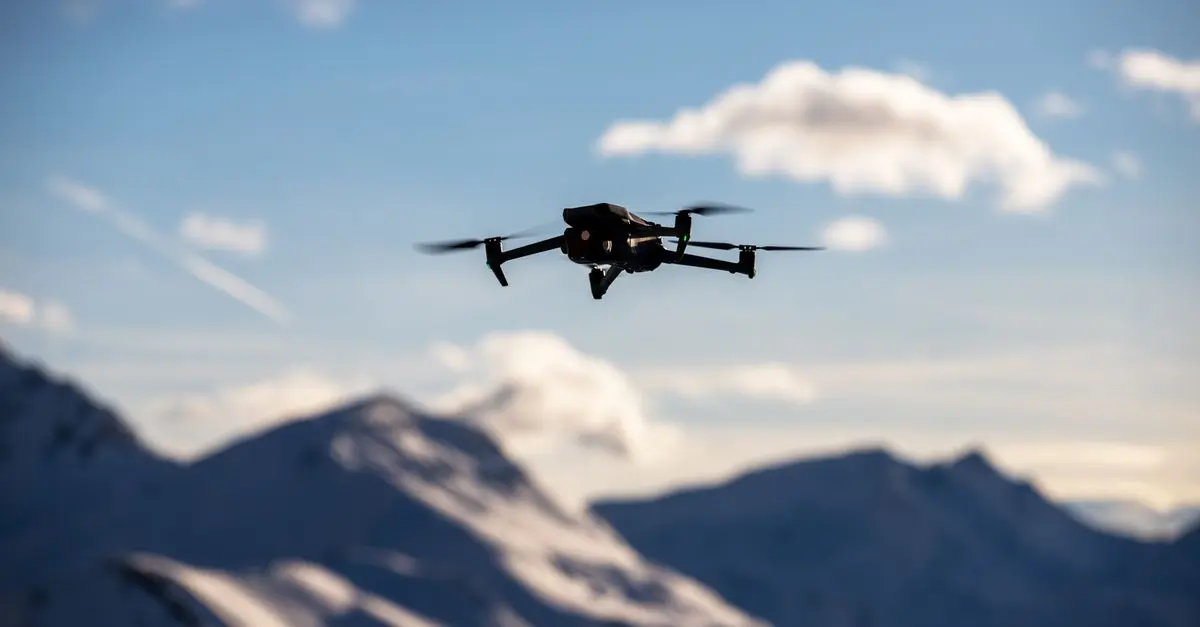
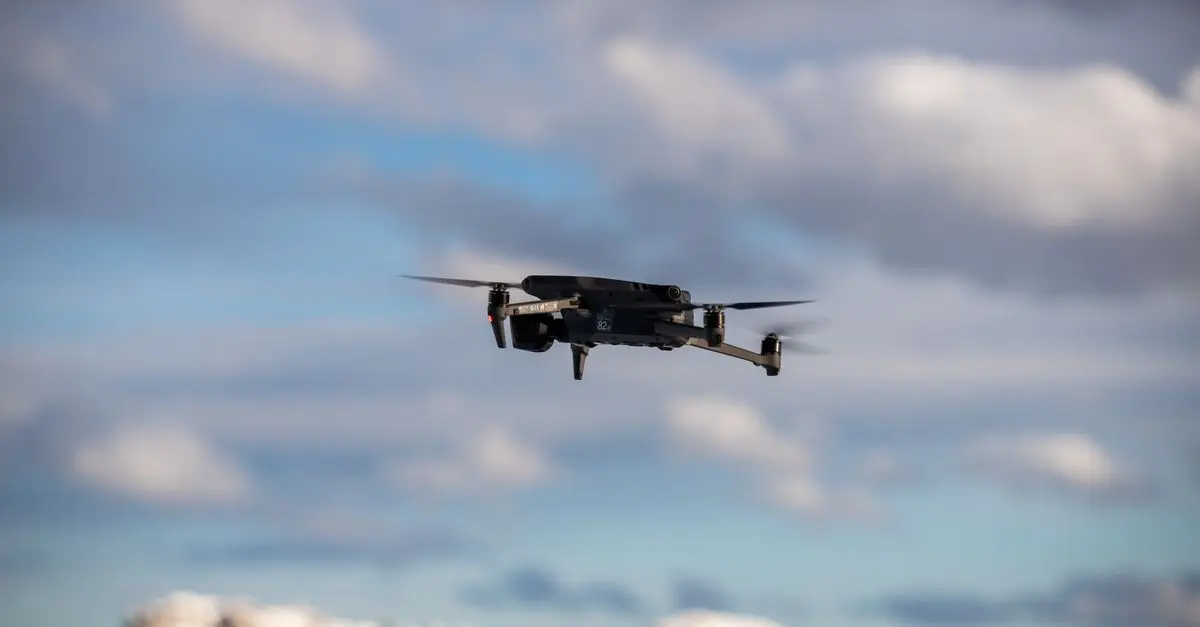
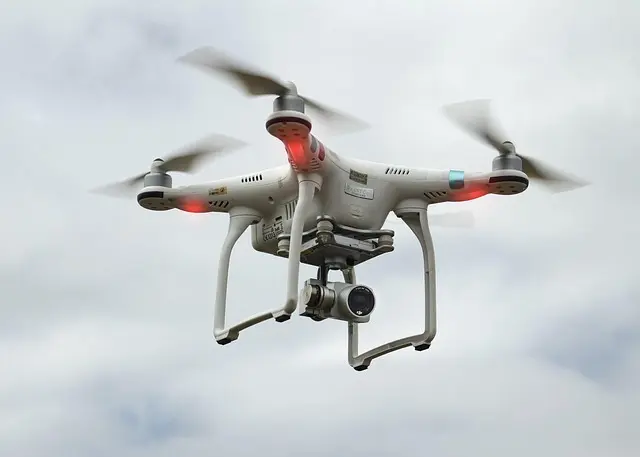
Aerial photography drones are unmanned aerial vehicles (UAVs) specifically designed to capture stunning images and videos from above. Equipped with high-resolution cameras and advanced stabilization systems, these drones allow photographers to access perspectives that were once limited to helicopters or expensive cranes. The recent advancements in drone technology have made them more accessible to hobbyists and professionals alike.
The legalization of drone use for commercial purposes, along with the introduction of user-friendly models, has revolutionized the photography landscape. According to a report by the U.S. Federal Aviation Administration (FAA), by 2025, over 1.5 million commercial drones could be in operation across various industries, including real estate, filmmaking, and environmental monitoring. This surge showcases not just the popularity of drones but also their versatility in diverse photography applications.
How Aerial Photography Drones Work
Aerial photography drones operate through a combination of GPS, cameras, and software technologies. Here’s a breakdown of how they function:
- Flight Control: Drones are controlled through remote devices or apps on smartphones, allowing operators to navigate through complex aerial spaces with precision. Most models now feature autonomous flight modes, enabling programmable flight paths.
- Camera Technology: Modern drones come equipped with powerful cameras capable of capturing images in 4K resolution or higher. These cameras often include gimbals for stabilization, ensuring that images remain clear even during dynamic flight.
- Post-Production Software: To enhance the images captured, many drone operators use software tools for editing. Programs like Adobe Lightroom and Photoshop allow for adjustments in exposure, color, and detail, transforming raw shots into stunning visuals.
In practice, flying a drone involves pre-flight checks, understanding local regulations, and mastering the operation of the camera settings. Operators must also consider battery life, since longer flights require larger batteries and possibly additional weight.
Comparing Different Aerial Photography Drones
To assist photographers in choosing the right drone, here is a comparative table highlighting key specifications of various popular models:
| Feature | DJI Mavic Air 2 | Parrot Anafi | Autel Robotics EVO Lite+ | Skydio 2 |
|---|---|---|---|---|
| Camera Resolution | 48 MP | 21 MP | 50 MP | 12 MP |
| Flight Time (min) | 34 | 25 | 40 | 23 |
| Autonomy | Yes | Yes | Yes | Yes |
| Price (USD) | $799 | $699 | $1,149 | $999 |
The Impact of Drone Technology on Aerial Photography
Drone technology has drastically altered how photographers approach their craft. With drones, photographers can easily access hard-to-reach locations, from mountain peaks to expansive wildlife reserves. For instance, aerial photographers have been able to document changes in environmental landscapes over time, providing valuable insights for conservation efforts. Additionally, aerial photography is now mainstream in real estate marketing, offering virtual tours that showcase properties from breathtaking angles.
A survey by Statista indicates that over 60% of real estate agents now use drone photography in their listings, directly correlating with quicker sales and higher property values. Moreover, drones have integrated into industries like agriculture, where aerial imaging contributes to crop monitoring and management.
The flexibility and quality of drone photography enhance storytelling in numerous fields, from filmmaking to journalism. The unique perspectives offered by aerial shots create compelling narratives that engage audiences more effectively than traditional ground-based photography.
Future Trends in Aerial Photography with Drones
As technology evolves, the future of aerial photography with drones looks promising. Here are a few trends to watch:
- Increased Automation: Advances in AI are leading to smarter drones capable of obstacle avoidance, automated flight paths, and intelligent imaging. This will reduce the skill gap for beginners and increase creativity for professionals.
- Enhanced Image Quality: Future drones are expected to incorporate even more advanced imaging technology, pushing boundaries with features like 8K video recording and improved low-light performance.
- Regulatory Changes: As the drone sector grows, governments worldwide are likely to adapt regulations to maximize safety while promoting usage. This may include developments in remote identification technology to track drone flights.
These trends suggest that drone photography will become even more integral in various sectors. As accessibility improves, we can anticipate a wave of creativity, innovation, and storytelling enriched by aerial perspectives.
Expert Insights on Drone Photography
> 💡 Expert Opinion: "The potential of drone photography goes beyond breathtaking landscapes. It empowers storytellers and facilitators of social change by bringing hard-to-reach stories to the forefront." - Dr. Sarah Mitchell, Aerial Photography Consultant.
Tips from the Experts:
- Practice Regularly: The more you fly, the better you'll become. Understanding wind conditions and battery management can greatly enhance your skills.
- Explore Different Angles: Don’t simply capture ground shots. Experiment with angles and heights to find striking compositions that stand out.
- Stay Informed: As technology and regulations evolve, keeping abreast of changes in drone technology and the law is crucial for any drone photographer.
Frequently Asked Questions
Q: What are the legal requirements for using drones in aerial photography?
A: Each region has different regulations. In the U.S., for commercial use, drones must be registered, and operators need a Remote Pilot Certificate from the FAA.
Q: How much does a good aerial photography drone cost?
A: Prices vary widely from a few hundred to several thousand dollars, depending on features and technology. Quality entry-level models generally range from $500 to $1,500.
Q: Can I use a drone for real estate photography?
A: Yes, using drones for real estate photography is increasingly popular and provides unique marketing advantages by showcasing properties from above.
Q: Are there drones suitable for beginners?
A: Absolutely! Many brands offer user-friendly options with autopilot features that simplify flying for newcomers.
Glossary
| Term | Definition |
|---|---|
| Drone | An unmanned aerial vehicle (UAV) used for various applications, including photography. |
| Gimbal | A stabilizing device that allows the camera to remain steady while the drone moves. |
| Resolution | The detail an image holds, often measured in megapixels (MP) for cameras. |
Checklist before purchase
- [ ] Determine your purpose for aerial photography.
- [ ] Research the local regulations for drone use.
- [ ] Compare camera features of different models.
- [ ] Check battery life and flight times.
- [ ] Read user reviews and professional recommendations.
📺 For further exploration: Aerial Photography Techniques Using Drones, a complete guide on mastering drone imagery. Search on YouTube: aerial photography drones 2026.
📺 Pour aller plus loin : aerial photography drones 2026 sur YouTube