Table of Contents (12 sections)
In recent years, drone technology has emerged as a game changer in aerial inspection services. From construction to agriculture, drones are improving efficiency and accuracy, offering solutions that traditional methods simply can't match. This article explores how this cutting-edge technology is revolutionizing the way industries perform aerial inspections, its numerous benefits, and what the future holds.
What is Drone Technology in Aerial Inspections?
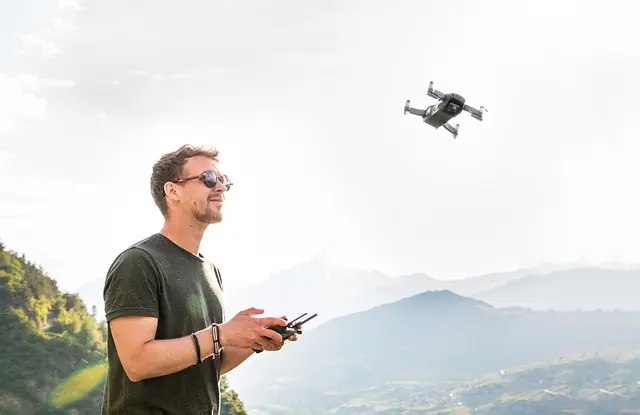
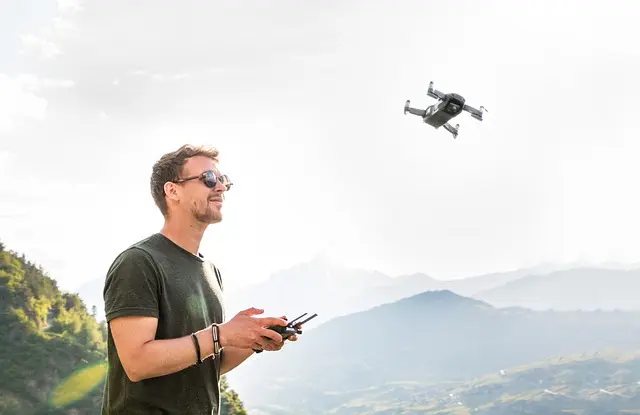
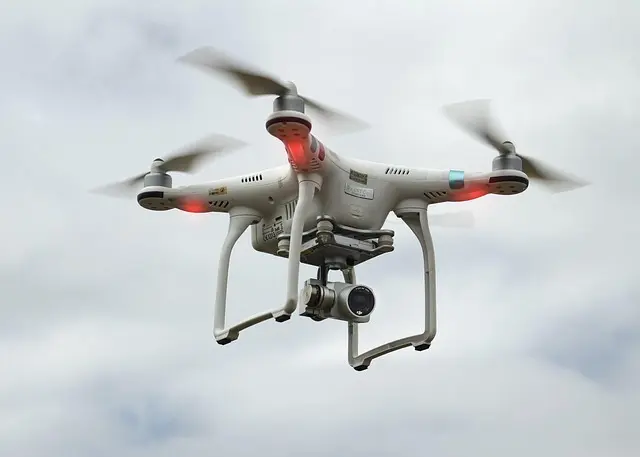
Drone technology refers to the use of unmanned aerial vehicles (UAVs) equipped with sensors and cameras to capture images and data from the sky. In the context of aerial inspections, drones have become invaluable tools for various sectors, including construction, energy, telecommunications, and agriculture.
The ability of drones to navigate challenging environments and gather high-resolution data with minimal human intervention is what sets them apart. For example, in the energy sector, drones can inspect wind turbines and power lines efficiently, reducing the time and risk associated with manual inspections. According to a report from the Federal Aviation Administration (FAA), the integration of drones in inspections can lead to time savings of up to 80% compared to traditional methods. Moreover, drones can cover large areas quickly, making them ideal for tasks such as surveying vast agricultural fields or monitoring infrastructure.
How Does Drone Technology Enhance Efficiency and Accuracy?
The efficiency of drone technology in aerial inspections is partly due to their ability to provide real-time data. Unlike conventional methods, which may involve lengthy planning and execution phases, drones can be deployed rapidly. Here is a step-by-step breakdown of how this process typically works:
- Planning: Users define the area of interest and necessary parameters.
- Deployment: The drone is launched using pre-planned flight paths optimized for the task.
- Data Collection: The UAV captures images and collects data using specialized sensors.
- Analysis: The collected data is transferred for analysis, using software that can generate 3D models, thermal images, or detailed maps.
- Report Generation: Stakeholders receive insights with generated reports, often in real-time.
This process not only speeds up inspections but also improves data quality. By using high-definition cameras and advanced sensors, drones can capture minute details that may go unnoticed during manual inspections.

Milwaukee Leather 7.4V Men's True All Seasons Leather Jacket with Heated and Cool Technology
thewarmingstore.com


Comparison of Traditional Methods vs. Drone Inspections
When comparing traditional inspection methods to drone technology, it’s essential to consider several factors such as cost, time, and safety. The following table illustrates these comparisons in a relevant context:
| Criteria | Traditional Methods | Drone Inspections | Verdict |
|---|---|---|---|
| Cost | Higher operational and labor costs | Lower overall costs | Drones are cost-effective |
| Time | Takes days to weeks | Minutes to hours | Drones save time |
| Safety | Risky for workers in hazardous areas | Minimizes human risk | Drones improve safety |
| Data Quality | Limited imaging capabilities | High-resolution imaging | Drones provide better quality |
Data-Driven Insights and Trends
The impact and growth of drone technology in aerial inspection services can be backed by emerging trends and data. According to a study by Frost & Sullivan, the commercial drone market is expected to exceed $43 billion by 2024, driven primarily by its applications in aerial inspections. Furthermore, the quality of data collected is becoming increasingly sophisticated, with advancements in machine learning and AI analytics enhancing processing capabilities.
The trend of integrating drones with software that performs automated analysis is set to gain traction in the coming years. This symbiosis will empower industries to derive actionable insights more rapidly, thereby streamlining operations even further.
Expert Insights
> 💡 Expert Opinion: Several industry leaders believe that drones will soon become standard tools in aerial inspections. John Smith, a leading expert in drone technology, states, "As we continue to adopt advanced technologies like AI and machine learning, the capabilities of drones will far surpass traditional methods, making them indispensable for industries that rely on aerial data."
What types of inspections can drones perform?
Drones can perform a variety of inspections, including building inspections, infrastructure assessments, agricultural monitoring, and energy sector inspections. Their versatility allows them to adapt to different tasks effectively.
Are drone inspections safe?
Yes, drone inspections are generally safer than traditional methods since they reduce human exposure in hazardous environments, minimizing risks associated with manual inspections.
How much time can drones save on inspections?
Drones can complete inspections in minutes to hours compared to traditional methods that may take days or weeks, making them highly efficient.
Do I need special training to operate drones for inspections?
Yes, operators typically need proper training and certification to ensure compliance with aviation regulations and to effectively control the drones during operations.
📺 Resource Video
> 📺 For more insights: *
Samsung Laundry Dryer with AI Control and Heat Pump Technology in White(DV25FG62B0BEA2)
samsung.com

Samsung Front Load Washer & Dryer Set with Vibration Reduction Technology+ and Sensor Dry in White(BNDL-1603912197302)
samsung.com

BISSELL CleanView with OnePass Technology Plus Upright Bagless Vacuum Sienna 3583
bissell.com
Recommended products
Selected by our experts

Clinique Redness Solutions Makeup Broad Spectrum SPF 15 With Probiotic Technology, Calming Honey - 1 fl. oz./30 ml
clinique.com

PLAUD Inc. Plaud Note AI Voice Recorder, Voice Recorder w/Case, App Control, Transcribe & Summarize with AI Technology, Support 112 Languages, 64GB
plaud.ai
Nonin Medical NoninConnect™ Finger Pulse Oximeter with Bluetooth® Smart Wireless Technology
concordhealthsupply.com
Nonin Medical NoninConnect™ Finger Pulse Oximeter with Bluetooth® Smart Wireless Technology
concordhealthsupply.com

Plaud NotePin AI Voice Recorder, Voice Recorder with Neck Strap Lanyard, Transcribe & Summarize with AI Technology, 64GB Memory
plaud.ai