Table of Contents (9 sections)
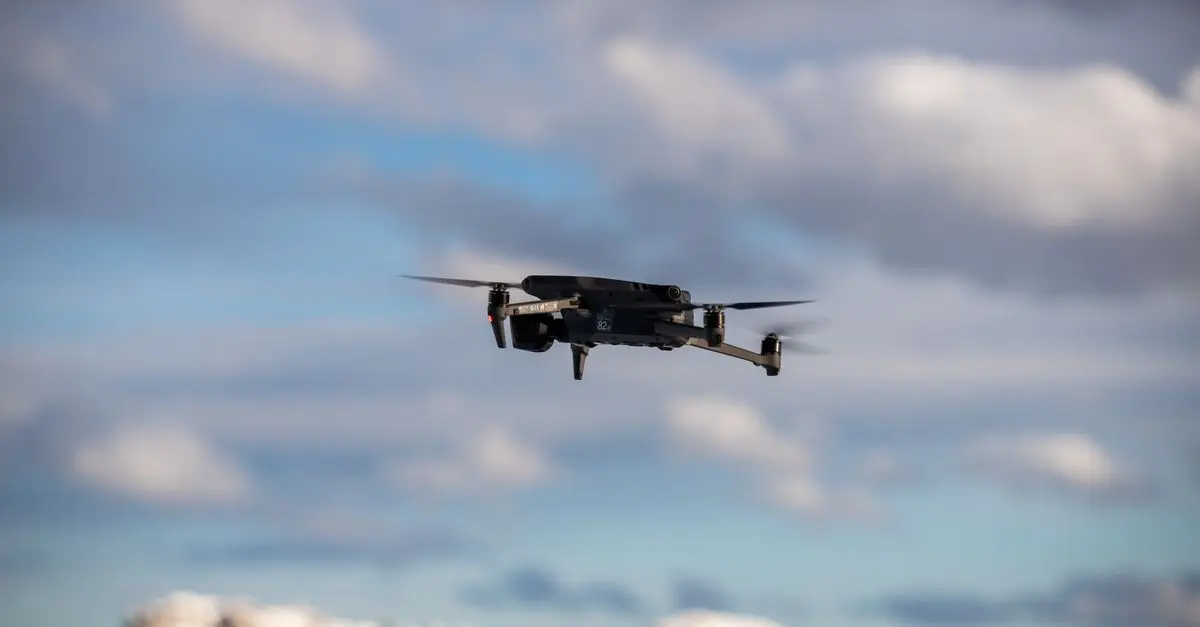
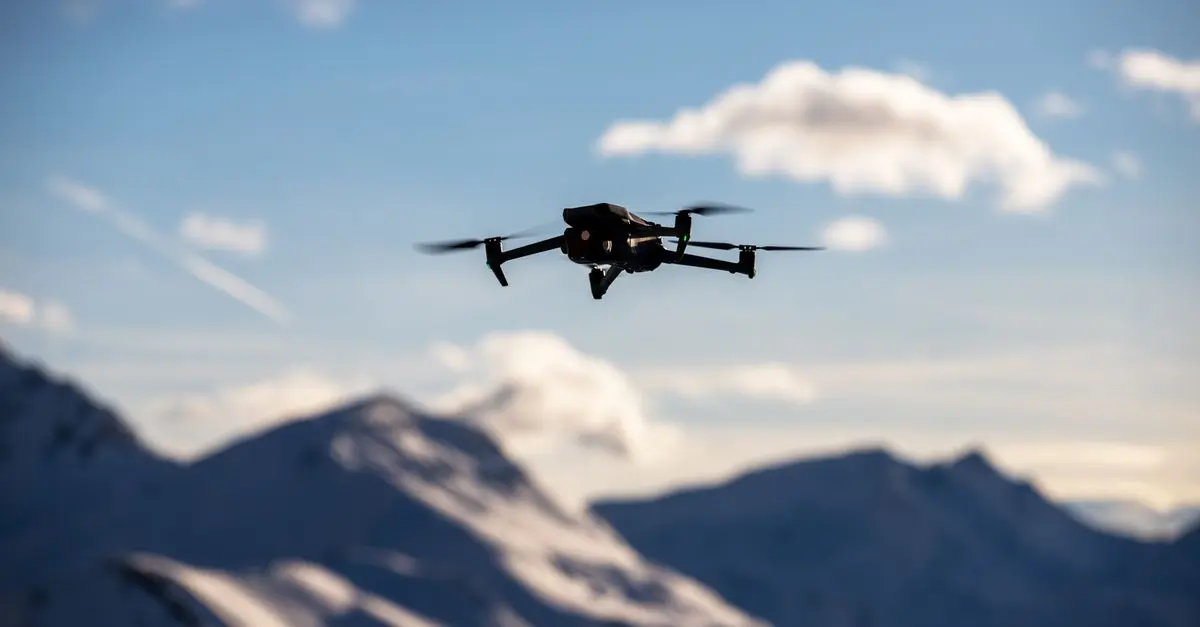
In recent years, the emergence of drone delivery technology has sparked a significant shift in the logistics and delivery industry. This innovation promises to reshape not just how packages are delivered but also the very essence of logistics operations themselves. Drones are quickly becoming a viable solution for last-mile delivery, enabling businesses to meet consumer demands for speed and convenience. With the rapid advancements in technology, the aerial delivery landscape is evolving at an astonishing pace, making it essential to explore its implications, benefits, and future potential.
Informational: What is Drone Delivery Technology?
Drone delivery technology refers to the use of unmanned aerial vehicles (UAVs) to transport goods to consumers' doorsteps. This technology encompasses a range of applications, from package delivery to food service and emergency supplies. Amazon, Walmart, and even local startups are testing or implementing drone delivery systems to enhance their logistics services. According to a report from Research and Markets, the global drone logistics market is projected to reach $29 billion by 2026, driven by growing demand for expedited shipping and advancements in drone capabilities.
One key advantage of drone delivery is timing. Traditional shipping methods may take days to fulfill, while drones can offer same-day delivery, effectively reducing customer waiting time. Moreover, drones can navigate directly to their destination without the traffic delays that conventional delivery trucks face. They are particularly useful in urban environments where traffic congestion often impedes efficient logistics.
Procedural: How Does Drone Delivery Work?
Implementing drone delivery involves several steps, each critical for ensuring successful operations. Below is a structured process of how companies execute drone deliveries:
- Planning: Companies identify areas suitable for drone delivery, taking into account legal regulations, safety zones, and customer demand.
- Drone Selection: Businesses choose drones based on payload capacity, range, and flight stability. Different drones serve different purposes, from small packages to heavier freight.
- Loading: Products are prepared for delivery and securely loaded into the drone. Companies often use modular systems for loading and unloading.
- Flight Path Optimization: Advanced software calculates the most efficient route, considering weather conditions, air traffic, and obstacles.
- Delivery and Return: Once the destination is reached, the drone delivers the package and returns to its base or unit.
Through these steps, companies are able to streamline their delivery process, increase reliability, and even reduce environmental impacts. A report from McKinsey indicates that last-mile delivery represents up to 28% of supply chain costs, making drone delivery a potential game-changer for cost efficiency.

Milwaukee Leather 7.4V Men's True All Seasons Leather Jacket with Heated and Cool Technology
thewarmingstore.com


Comparative: Benefits of Drone Delivery Vs Traditional Delivery
| Criteria | Drone Delivery | Traditional Delivery | Verdict |
|---|---|---|---|
| Speed | Very Fast (minutes) | Moderate (hours to days) | Drones excel in speed |
| Cost | Low operational costs over time | High operating costs | Drones may reduce long-term costs |
| Accessibility | Easily reaches remote areas | Limited in difficult terrains | Drones provide better access |
| Environmental Impact | Lower carbon footprint | High due to vehicle emissions | Drones are more sustainable |
According to data from Cyborg systems, drones cost around 90% less per delivery event than traditional ground transportation when scaled effectively. This cost efficiency combined with the capacity to deliver in less time makes drone delivery solutions compelling for businesses.
Analytical: Current Trends in Drone Delivery
An analysis by Gartner highlighted that by 2026, over 90% of large organizations are expected to invest in drone delivery solutions as part of their logistics strategy. The primary motivations include meeting consumer demands for faster deliveries and enhancing operational efficiency. Furthermore, regulatory changes in various countries are paving the way for broader acceptance and integration of drones into the delivery ecosystem.
Moreover, the COVID-19 pandemic accelerated the adoption of contactless delivery methods. Consumers grew more accustomed to online shopping and delivery—making drones visually attractive for businesses seeking innovative approaches to meet such demands. DHL and UPS are among the frontrunners in launching pilot projects using drones to optimize last-mile delivery.
💡 Expert Opinion: "As we venture into the next decade, drone technology will undoubtedly redefine logistics. Businesses adopting this model can expect not only efficiency gains but also improved customer satisfaction. The future of delivery isn't just about keeping up with demands; it's about actively setting new standards for service." — Logistics Expert
- What are the main benefits of drone delivery?
Drone delivery offers benefits such as faster delivery times, lower operating costs, and reduced environmental impact compared to traditional delivery methods.
- Are drones capable of carrying heavy packages?
Most drones designed for delivery can handle small to medium-sized packages, typically weighing up to 5-10 pounds.
- What regulations govern drone deliveries?
Regulations vary by region, but most require that drones operate within line-of-sight and adhere to specific flight paths to ensure safety.
- Will drone delivery become the norm?
As technology and regulations evolve, drone delivery is likely to become increasingly commonplace, especially for last-mile logistics solutions.
Checklist Before Implementing Drone Delivery
- [ ] Assess regulatory requirements for drones in your area.
- [ ] Identify target delivery zones for drone feasibility.
- [ ] Evaluate potential drone models based on your logistical needs.
- [ ] Create partnerships with drone manufacturers or service providers.
- [ ] Conduct pilot tests to refine operations and gather data.
Glossary
| Term | Definition |
|---|---|
| Unmanned Aerial Vehicle (UAV) | An aerial vehicle operated without a human pilot on board. |
| Last-mile Delivery | The final step of the delivery process, bringing goods from a transportation hub to the final customer.
| Payload Capacity | The maximum weight that a drone can carry, affecting delivery options.
Samsung Laundry Dryer with AI Control and Heat Pump Technology in White(DV25FG62B0BEA2)
samsung.com

Samsung Front Load Washer & Dryer Set with Vibration Reduction Technology+ and Sensor Dry in White(BNDL-1603912197302)
samsung.com

BISSELL CleanView with OnePass Technology Plus Upright Bagless Vacuum Sienna 3583
bissell.com
📺 For further exploration: Understanding Drone Delivery Operations, a comprehensive analysis of drone logistics. Search YouTube for: "how drone delivery works 2026".
📺 Pour aller plus loin : how drone delivery works 2026 sur YouTube
Recommended products
Selected by our experts

Clinique Redness Solutions Makeup Broad Spectrum SPF 15 With Probiotic Technology, Calming Honey - 1 fl. oz./30 ml
clinique.com

PLAUD Inc. Plaud Note AI Voice Recorder, Voice Recorder w/Case, App Control, Transcribe & Summarize with AI Technology, Support 112 Languages, 64GB
plaud.ai
Nonin Medical NoninConnect™ Finger Pulse Oximeter with Bluetooth® Smart Wireless Technology
concordhealthsupply.com
Nonin Medical NoninConnect™ Finger Pulse Oximeter with Bluetooth® Smart Wireless Technology
concordhealthsupply.com

Plaud NotePin AI Voice Recorder, Voice Recorder with Neck Strap Lanyard, Transcribe & Summarize with AI Technology, 64GB Memory
plaud.ai