Table of Contents (15 sections)
In recent years, drone technology in agriculture has emerged as a transformative force that is reshaping traditional farming practices. Drones offer unique capabilities, from aerial imaging to precise monitoring of crop health, allowing farmers to make data-driven decisions that boost productivity and sustainability. According to a 2026 report from the Food and Agriculture Organization, the integration of drones has improved yield outputs by up to 20%, highlighting the technology’s potential to revolutionize agricultural practices.
What is Drone Technology in Agriculture?
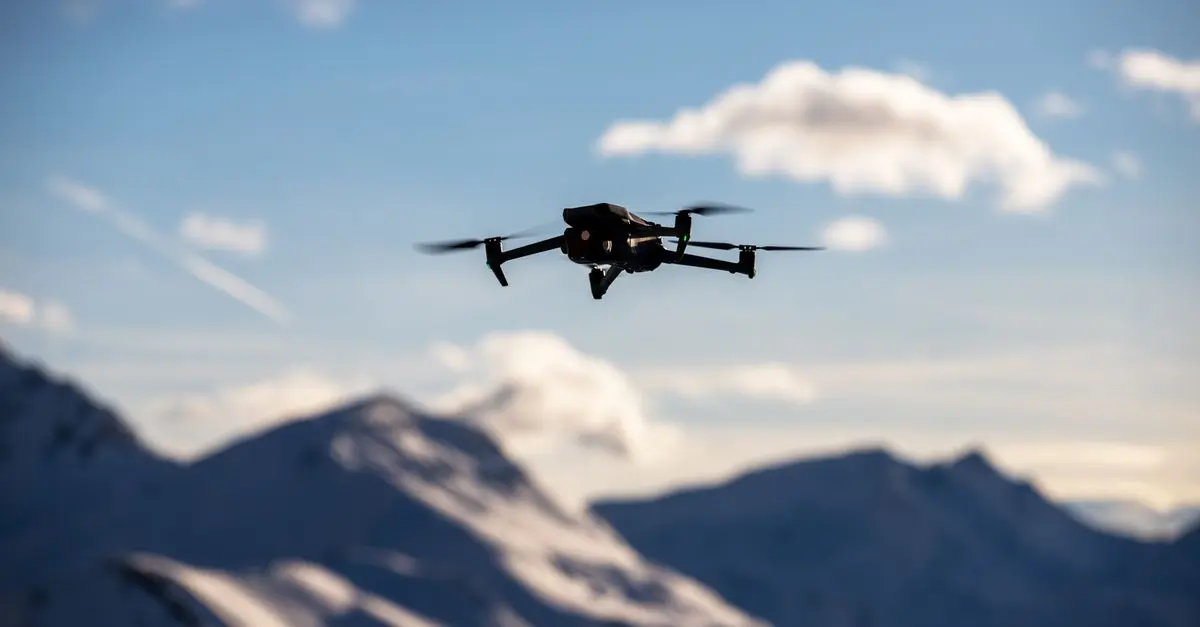
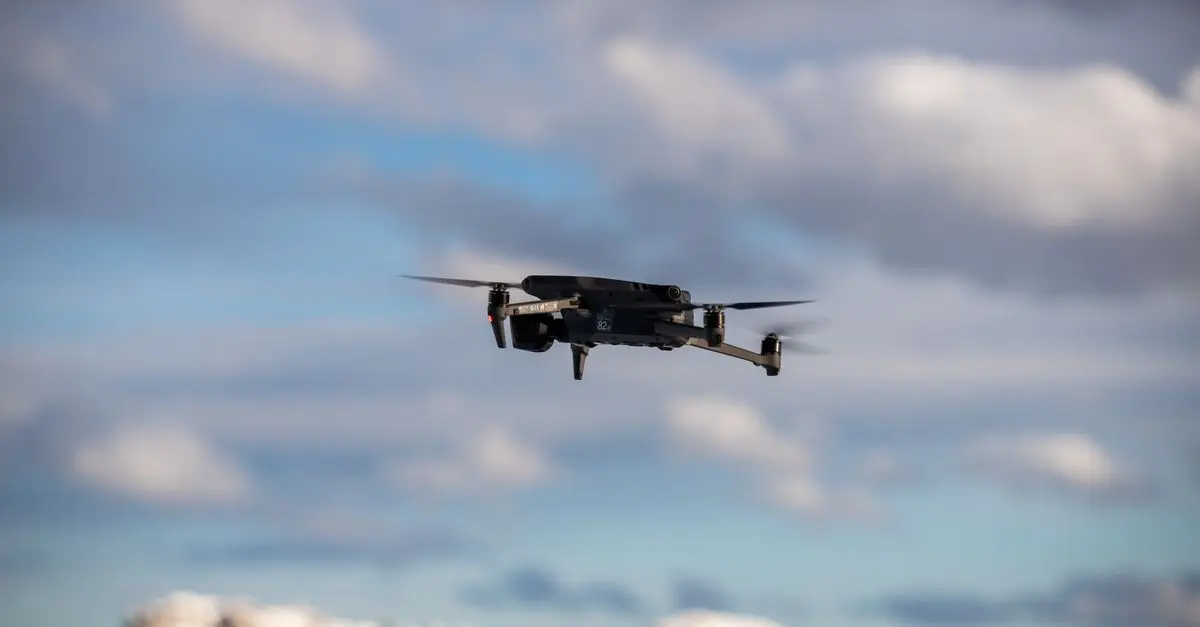
Drones, or unmanned aerial vehicles (UAVs), are aircraft without a human pilot onboard. In agriculture, they are specifically designed to assist farmers in a variety of tasks, including mapping fields, monitoring crop health, and applying pesticides or fertilizers. By utilizing GPS technology and advanced sensors, drones can gather a wealth of data quickly and efficiently.
This technology not only saves time but also helps reduce operational costs, allowing farmers to manage their resources more effectively. For instance, drones can fly over fields to capture high-resolution images which can be analyzed to identify diseases and pests at an early stage, facilitating timely interventions. Consequently, farms that adopt drone technology benefit from enhanced accuracy and efficiency in their operations.
How to Implement Drone Technology in Agriculture
Step-by-Step Guide to Utilizing Drones
Implementing drone technology in agriculture requires a thoughtful approach. Here’s a simple guide:
- Define Your Objectives: Identify what you hope to achieve with drone technology. This could be crop monitoring, soil analysis, or irrigation management.
- Choose the Right Drone: There is a wide variety of drones available, from fixed-wing to quadcopters. Select one that fits your farming needs based on range, payload capacity, and sensor capabilities.
- Obtain Necessary Certifications: Before flying, ensure compliance with local regulations governing drone usage. For example, in the U.S., the FAA requires commercial drone operators to hold a Remote Pilot Certificate.
- Train Your Team: Proper training is essential to maximize the efficiency of drone operations. Consider enrolling in workshops or online courses focused on agricultural drones.
- Analyze the Data: Invest in software that helps filter and analyze the data collected by the drones—turning raw data into actionable insights.
Following these steps will ensure a smoother transition into using drone technology, maximizing the benefits for your agricultural practices.

Milwaukee Leather 7.4V Men's True All Seasons Leather Jacket with Heated and Cool Technology
thewarmingstore.com


Comparative Analysis of Drone Types
| Criterion | Fixed-Wing Drones | Quadcopters | Hybrid Drones |
|---|---|---|---|
| Flight Time | Longer | Shorter | Moderate |
| Payload Capacity | High | Moderate | High |
| Cost | Higher | Lower | Moderate |
| Ease of Use | Requires Training | User-Friendly | Moderate Learning Curve |
The Impact of Drone Technology on Agricultural Efficiency
The adoption of drone technology has a profound impact on agricultural efficiency. By reducing the time needed for tasks such as crop monitoring and soil analysis, farmers can allocate more resources to other critical activities. According to the National Center for Agricultural Statistics, farms utilizing drones reported 25% more efficient pest management practices. This efficiency translates into lower operational costs and a sustainable increase in crop yield.
Drones also facilitate precision agriculture, allowing farmers to apply fertilizers and pesticides more accurately. This targeted application leads to reduced chemical usage and minimizes environmental impacts. Besides, some studies, like the one conducted by The Cornell University, indicated that drones could help in achieving up to 30% savings in input costs through optimized field management.
Expert Insights on Drone Technology
💡 Expert Opinion: Drone technology changes the landscape of agriculture significantly. As the technology evolves, we observe remarkable improvements in crop health management and resource optimization. Farmers adopting drones early will likely outpace their competition as the industry progresses.
What are the primary uses of drones in agriculture?
Drones are primarily used for crop monitoring, soil analysis, aerial seeding, and applying fertilizers and pesticides.
How much do agricultural drones typically cost?
The price of agricultural drones varies widely based on specifications and capabilities, typically ranging from a few hundred to several thousand dollars.
Are drones difficult to fly?
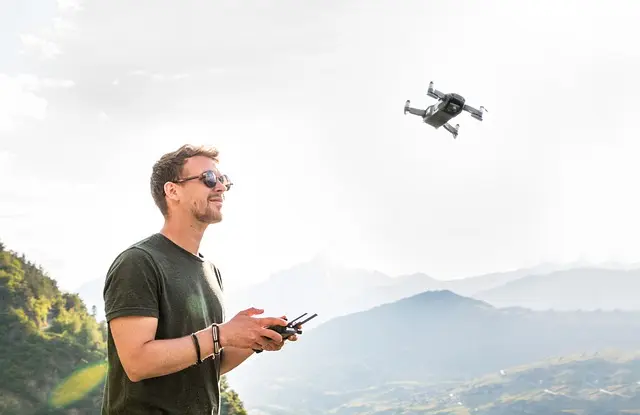
While flying drones requires some training, many models are designed to be user-friendly, making them accessible even for beginners.
Can drones help reduce environmental impact in farming?
Yes, drone technology facilitates precision agriculture, allowing for more targeted pesticide and fertilizer application, thus reducing overall chemical use.
Checklist before Purchasing Drones
- [ ] Determine the specific agricultural needs.
- [ ] Research and compare different drone models.
- [ ] Ensure compliance with local regulations.
- [ ] Assess the budget constraints for your operations.
- [ ] Plan training for operators to ensure proper usage.
Samsung Laundry Dryer with AI Control and Heat Pump Technology in White(DV25FG62B0BEA2)
samsung.com

Samsung Front Load Washer & Dryer Set with Vibration Reduction Technology+ and Sensor Dry in White(BNDL-1603912197302)
samsung.com

BISSELL CleanView with OnePass Technology Plus Upright Bagless Vacuum Sienna 3583
bissell.com
Glossary
| Term | Definition |
|---|---|
| Drone | An unmanned aerial vehicle; can be remotely controlled or fly autonomously. |
| Precision Agriculture | A farming management concept that uses technology to monitor and manage field variability in crops. |
| Payload Capacity | The maximum weight a drone can carry while in flight, crucial for carrying sensors or cameras.
📺 Resource Video
> 📺 To learn more: Check out this comprehensive analysis of how drones improve farming practices. Search on YouTube: drone technology in agriculture 2026.
In conclusion, drone technology in agriculture is not just a trend; it's a fundamental shift towards a more efficient, data-driven farming culture. Investing in drone technology can yield significant returns through enhanced productivity and sustainable practices. Explore various drone options suitable for your agricultural needs below, and take the first steps toward modernizing your farming operations!
Discover our recommendations for the best drones and accessories that suit your agricultural needs.
📺 Pour aller plus loin : drone technology in agriculture 2026 sur YouTube
Recommended products
Selected by our experts

Clinique Redness Solutions Makeup Broad Spectrum SPF 15 With Probiotic Technology, Calming Honey - 1 fl. oz./30 ml
clinique.com

PLAUD Inc. Plaud Note AI Voice Recorder, Voice Recorder w/Case, App Control, Transcribe & Summarize with AI Technology, Support 112 Languages, 64GB
plaud.ai
Nonin Medical NoninConnect™ Finger Pulse Oximeter with Bluetooth® Smart Wireless Technology
concordhealthsupply.com
Nonin Medical NoninConnect™ Finger Pulse Oximeter with Bluetooth® Smart Wireless Technology
concordhealthsupply.com

Plaud NotePin AI Voice Recorder, Voice Recorder with Neck Strap Lanyard, Transcribe & Summarize with AI Technology, 64GB Memory
plaud.ai