Table of Contents (13 sections)
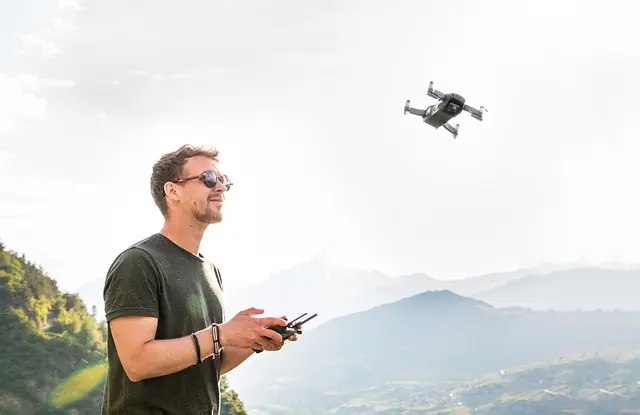
Urban mobility faces significant challenges today, from congestion to pollution in densely populated cities. Drone technology is emerging as a solution to enhance urban mobility, offering innovative solutions for transportation challenges. This article explores the various ways in which drone technology is improving urban mobility solutions, making city travel more efficient and sustainable.
Understanding Drone Technology in Urban Mobility
Drone technology refers to the use of unmanned aerial vehicles (UAVs) equipped with sensors, cameras, and communication systems. These drones can be used for various functions, including cargo delivery, traffic monitoring, and infrastructure inspection. The integration of drones into urban mobility aims to address key issues such as traffic congestion, delays in public transport, and inefficient logistics. According to Deloitte (2023), the global drone market is projected to reach $63 billion by 2025, highlighting the rapidly growing interest in drone applications, especially in urban contexts.
The potential for drones to improve urban mobility is vast. For instance, delivery drones can bypass congested roadways, reducing delivery times and improving logistics efficiency. In addition, drones can facilitate real-time data collection and analysis, providing valuable insights into traffic patterns and urban planning. As cities continue to grow, leveraging drone technology could become essential for maintaining mobility and accessibility.
How Drones Enhance Transportation Efficiency
Step 1: Cargo Delivery Solutions
One of the most practical applications of drone technology in urban mobility is cargo delivery. Companies like Zipline and Wing have started to operate drones for delivering medical supplies and consumer goods. This method of delivery reduces reliance on traditional road transport, which is often subject to traffic delays.
These drones can deliver packages quickly, even in congested areas, and can be deployed to transport goods from distribution centers to customers directly. This not only speeds up the delivery time but also reduces carbon emissions associated with delivery vans and trucks. For example, Wing has reported that their drones can deliver packages in as little as 20 minutes, making them a viable alternative to traditional delivery methods.
Step 2: Urban Air Mobility (UAM)
Urban Air Mobility involves the use of drones for passenger transport. While still in its early stages, companies like Joby Aviation and Volocopter are investing heavily in electric vertical takeoff and landing (eVTOL) aircraft to create aerial taxi services. These services can alleviate ground traffic by providing a new mode of transportation.
Pilot programs in cities such as Los Angeles and Singapore have demonstrated the feasibility of eVTOL flights for short-distance urban travel. Such innovations could drastically reduce travel time and improve congestion, making urban environments more navigable. Furthermore, the environmental impact of eVTOL aircraft is significantly less than that of traditional helicopters, contributing to cleaner air in urban areas.


BISSELL CleanView with OnePass Technology Plus Upright Bagless Vacuum Sienna 3583
bissell.com

Milwaukee Leather 7.4V Men's True All Seasons Leather Jacket with Heated and Cool Technology
thewarmingstore.com
Comparative Analysis: Drones vs. Traditional Transportation
To understand the impact of drone technology on urban mobility, it is vital to compare it with traditional transportation methods. The table below provides a breakdown of the key differences:
| Criterion | Drones (UAVs) | Traditional Vehicles | Verdict |
|---|---|---|---|
| Speed | Fast (20-30 minutes delivery) | Moderate (1-2 hours) | Drones win |
| Environmental Impact | Low emissions | High emissions | Drones are cleaner |
| Cost of Operation | High initial investment, low ongoing costs | Moderate ongoing costs | Drones could be cheaper long-term |
| Accessibility | Accessible to remote areas | Limited by infrastructure | Drones enhance access |
| Traffic Congestion | Avoids road traffic | Subject to delays | Drones bypass congestion |
Data-Driven Insights into Drone Adoption
A report from McKinsey (2025) indicates that by 2030, drones could account for 15% of all deliveries in urban areas, translating to an estimated $22 billion in potential savings for logistics companies. This significant market potential illustrates the economic benefits of drone adoption.
Moreover, research conducted by the FAA suggests that incorporating drones into urban transportation could decrease urban ground traffic by 30%. This reduction can lead to diminished travel times, decreased fuel consumption, and lower emissions. These statistical insights reinforce the case for embracing drone technology as a cornerstone of future urban mobility solutions.
Expert Opinion on Drone Technology
> 💡 Expert Opinion: *Dr. Jane Hartman from the Urban Mobility Institute points out that "Drones represent a paradigm shift in how we think about transportation. Their potential to create an interconnected and efficient urban environment cannot be overlooked." As cities deal with aging infrastructure and increasing populations, integrating drones into transportation systems holds promise for a more sustainable future.
Frequently Asked Questions (FAQ)
Q: How are drones currently used in urban environments?
A: Drones are used for deliveries, surveillance, traffic monitoring, and infrastructure inspection in urban areas.
Q: What are the benefits of using drones over traditional delivery methods?
A: Drones are faster, environmentally friendly, reduce road congestion, and improve accessibility to hard-to-reach areas.
Q: Are there any regulations governing drone usage in urban areas?
A: Yes, drone operations are regulated by organizations such as the FAA in the U.S. and other local aviation authorities to ensure safety and compliance.
Q: What is Urban Air Mobility (UAM)?
A: UAM is the use of drones for passenger transport, aimed at reducing ground traffic and enabling faster travel across urban landscapes.

Samsung Laundry Dryer with AI Control and Heat Pump Technology in White(DV25FG62B0BEA2)
samsung.com

Samsung Front Load Washer & Dryer Set with Vibration Reduction Technology+ and Sensor Dry in White(BNDL-1603912197302)
samsung.com
Conclusion
Incorporating drone technology into urban mobility solutions presents a promising pathway for overcoming many of the issues facing modern cities. With the potential to reduce congestion, enhance delivery efficiency, and minimize emissions, the integration of drones could revolutionize how we navigate urban environments. As these technologies continue to advance and gain acceptance, it is crucial for city planners and stakeholders to consider the implementation of drone systems as a key component of future transportation solutions.
Checklist Before Considering Drone Solutions
- [ ] Assess the infrastructure readiness for drone operations
- [ ] Evaluate the potential environmental benefits of incorporating drones
- [ ] Compare the cost implications of drone solutions vs. traditional methods
- [ ] Look into regulatory requirements for deploying drones
- [ ] Engage with stakeholders and experts for best practices
Glossary
| Term | Definition |
|---|---|
| UAV | Unmanned Aerial Vehicle, commonly known as a drone. |
| Urban Air Mobility | The use of air transportation systems to move people within urban environments, often using drones. |
| eVTOL | Electric Vertical Takeoff and Landing aircraft designed for short-distance flights. |
📺 Video Resources
> 📺 To explore further: Watch this detailed analysis of drone innovations in urban mobility. Search on YouTube: "drone technology urban mobility 2026".
📺 Pour aller plus loin : drone technology urban mobility 2026 sur YouTube
Recommended products
Selected by our experts

Clinique Redness Solutions Makeup Broad Spectrum SPF 15 With Probiotic Technology, Calming Honey - 1 fl. oz./30 ml
clinique.com

PLAUD Inc. Plaud Note AI Voice Recorder, Voice Recorder w/Case, App Control, Transcribe & Summarize with AI Technology, Support 112 Languages, 64GB
plaud.ai
Nonin Medical NoninConnect™ Finger Pulse Oximeter with Bluetooth® Smart Wireless Technology
concordhealthsupply.com
Nonin Medical NoninConnect™ Finger Pulse Oximeter with Bluetooth® Smart Wireless Technology
concordhealthsupply.com

Plaud NotePin AI Voice Recorder, Voice Recorder with Neck Strap Lanyard, Transcribe & Summarize with AI Technology, 64GB Memory
plaud.ai