Table of Contents (8 sections)
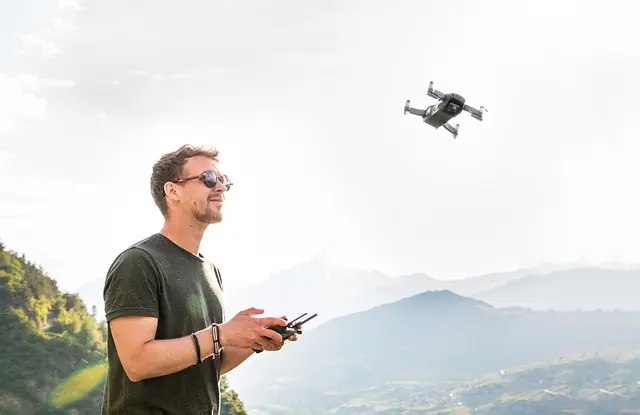
In an era where cities are expanding rapidly, drone technology is emerging as a pivotal solution in addressing urban mobility challenges. As urban populations continue to grow, traditional transportation solutions are often inadequate, leading to congestion and inefficiency. This article explores how drone technology is enhancing urban mobility solutions, offering innovative approaches to urban transportation.
What is Drone Technology in Urban Mobility?
Drone technology comprises unmanned aerial vehicles (UAVs) designed for various applications beyond just aerial photography. In the context of urban mobility, drones can transport goods and even passengers, offering a means to alleviate the burden on ground transportation systems. The integration of drones into urban planning aims to create smarter transportation networks that enhance the movement of people and goods throughout the city.
For instance, a pilot program initiated in Los Angeles successfully used drones for food delivery, significantly reducing delivery times from an average of 30 minutes to just 10 minutes. This innovation not only showcases the efficiency of drone logistics but also emphasizes the potential of drones to reduce roadway congestion, a growing concern in major urban centers.
How Drones Improve Urban Transportation
Drones offer numerous advantages in urban transportation systems:
- Efficiency: Drones can navigate through dense urban environments more easily than ground vehicles, enabling rapid delivery and transportation of goods.
- Environmental Impact: By reducing the need for delivery trucks, drone technology can decrease greenhouse gas emissions, contributing to sustainability goals in cities. In fact, a study found that drone delivery could reduce carbon footprints by up to 50% compared to conventional delivery methods.
- Real-time Data Utilization: Drones equipped with sensors can collect real-time data on traffic conditions, helping urban planners optimize roadways and improve traffic management strategies. Data analysis from drone flights can inform decisions about where to build new infrastructure or how to adjust traffic signals.

Milwaukee Leather 7.4V Men's True All Seasons Leather Jacket with Heated and Cool Technology
thewarmingstore.com


Implementation Challenges and Considerations
Despite their potential, the widespread adoption of drones in urban mobility is not without obstacles. Regulatory frameworks need to evolve to accommodate the integration of drones into airspace traditionally reserved for manned aircraft. Furthermore, privacy and safety concerns have emerged as significant issues, as the public remains wary of drones flying overhead.
For successful implementation, urban planners and policymakers must work to establish comprehensive guidelines that address these concerns while promoting innovation. Engaging with the community through public consultations can also help alleviate fears and promote acceptance of drone technology. Additionally, cities such as Singapore and Dubai are leading the way by implementing test flights and pilot programs to carefully analyze the impacts and refine regulations.
Comparative Analysis: Drones vs. Traditional Delivery Methods
The effectiveness of drone technology can be illustrated through a comparative analysis against traditional delivery methods. Here’s a summary of key factors:
| Criteria | Drone Delivery | Traditional Delivery | Verdict |
|---|---|---|---|
| Speed of Delivery | 10 mins | 30 mins | Drones are faster |
| Environmental Impact | Low emissions | High emissions | Drones are greener |
| Cost Efficiency | Lower operating costs | Higher fuel costs | Drones can be cheaper |
| Regulatory Challenges | Still needs regulations | Established norms | Traditional is easier |
Data-Driven Insights into Drone Adoption
According to recent studies by the International Air Transport Association (IATA), the drone delivery market is expected to surge to $29 billion by 2027. This growth is driven largely by urban areas looking for innovative solutions to their infrastructure challenges. Moreover, urban planners are increasingly incorporating drones in pilot projects to future-proof transportation models. Cities like Paris and Toronto are developing frameworks for air mobility that integrate autonomous drones into urban transport planning. These data-driven initiatives highlight a potential shift in the logistics landscape within cities over the next decade.
Expert Opinion
> 💡 Expert Insight: Embracing drone technology in urban transport is not merely about convenience; it’s about rethinking the urban mobility ecosystem. As cities strive to become more sustainable, drone integration can be a cornerstone for achieving broader environmental goals.
Samsung Laundry Dryer with AI Control and Heat Pump Technology in White(DV25FG62B0BEA2)
samsung.com

Samsung Front Load Washer & Dryer Set with Vibration Reduction Technology+ and Sensor Dry in White(BNDL-1603912197302)
samsung.com

BISSELL CleanView with OnePass Technology Plus Upright Bagless Vacuum Sienna 3583
bissell.com
📺 Video Resource
> 📺 To explore further: *
📺 Pour aller plus loin : drone technology urban mobility solutions 2026 sur YouTube
Recommended products
Selected by our experts

Clinique Redness Solutions Makeup Broad Spectrum SPF 15 With Probiotic Technology, Calming Honey - 1 fl. oz./30 ml
clinique.com

PLAUD Inc. Plaud Note AI Voice Recorder, Voice Recorder w/Case, App Control, Transcribe & Summarize with AI Technology, Support 112 Languages, 64GB
plaud.ai
Nonin Medical NoninConnect™ Finger Pulse Oximeter with Bluetooth® Smart Wireless Technology
concordhealthsupply.com
Nonin Medical NoninConnect™ Finger Pulse Oximeter with Bluetooth® Smart Wireless Technology
concordhealthsupply.com

Plaud NotePin AI Voice Recorder, Voice Recorder with Neck Strap Lanyard, Transcribe & Summarize with AI Technology, 64GB Memory
plaud.ai