Table of Contents (19 sections)
In recent years, drone technology has emerged as a game-changer in various sectors, especially in public safety. With their ability to operate in complex environments and gather real-time data, drones are being integrated into various safety measures, and their impact is becoming evident each day. This article delves into how drone technology is enhancing public safety, exploring its applications, benefits, and challenges ahead.
Information: What is Drone Technology?
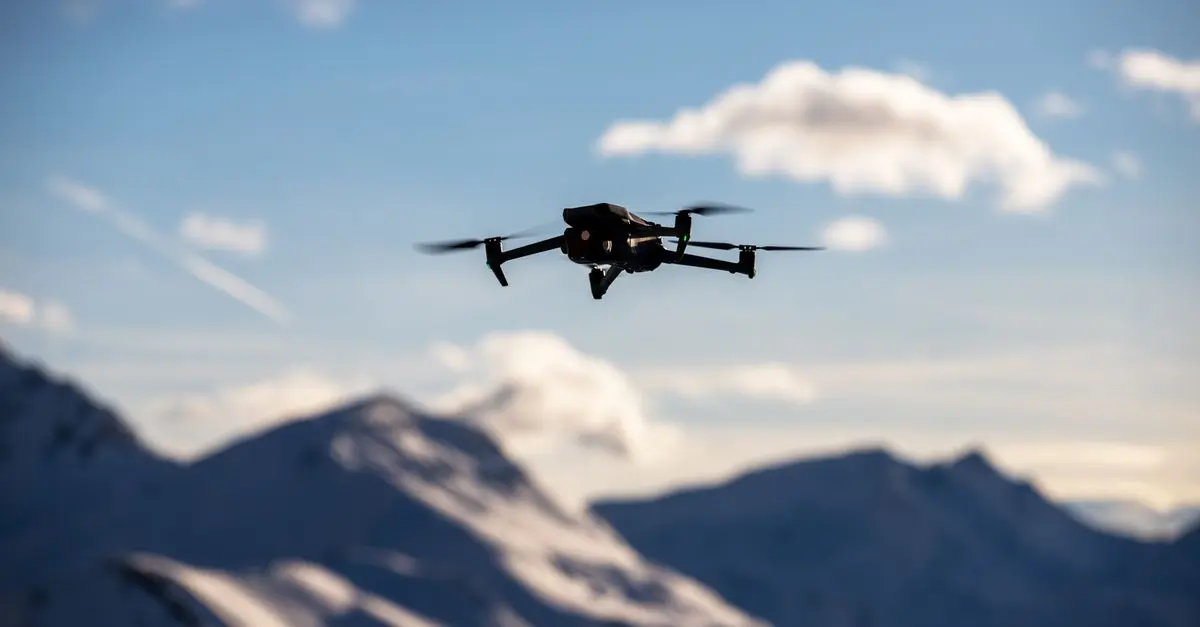
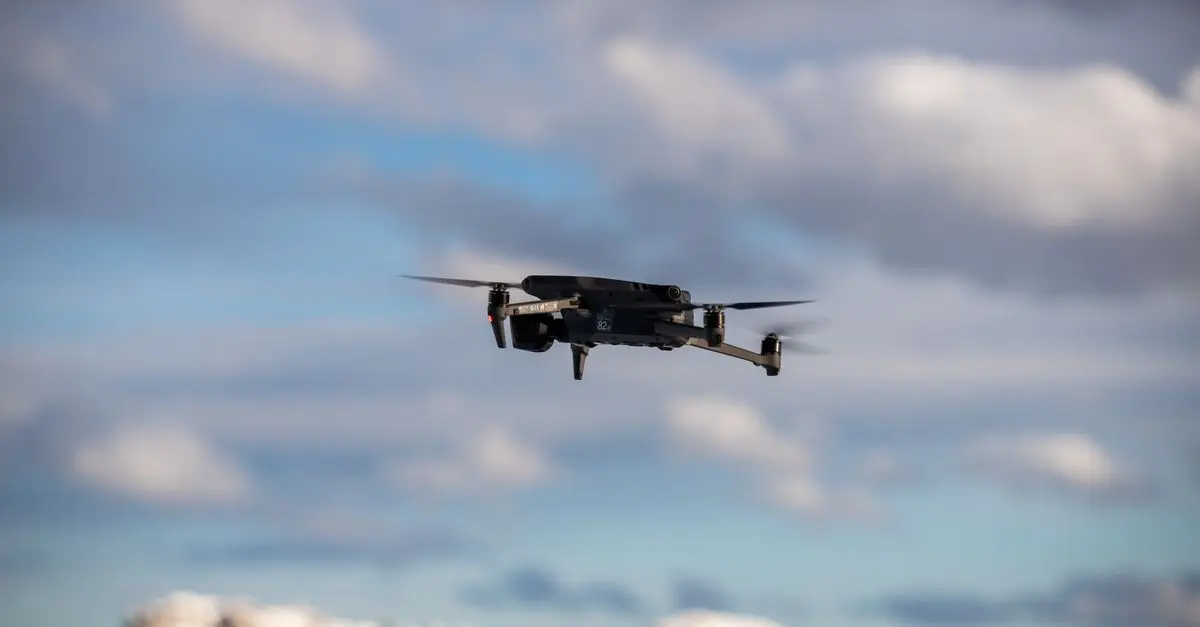
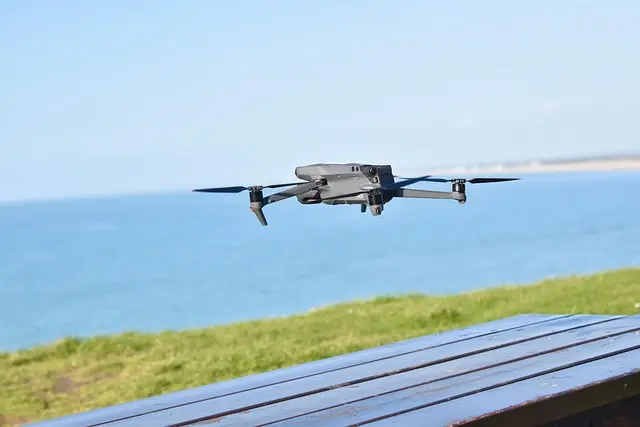
Drone technology refers to the use of unmanned aerial vehicles (UAVs) that can be remotely controlled or operate autonomously. These devices are equipped with sensors, cameras, and sometimes even artificial intelligence capabilities. They can capture high-resolution images, gather data, or perform surveillance and reconnaissance missions without putting human lives at risk. Drones have multiple applications, ranging from photography to delivery services, but their role in public safety is particularly noteworthy.
According to the Federal Aviation Administration (FAA), the number of registered drones in the U.S. skyrocketed from about 60,000 in 2016 to over 1.7 million by 2026. This spike illustrates growing trust and reliance on UAV technology for various applications, including law enforcement and emergency response efforts. Moreover, recent studies estimate that integrating drones in public safety can lead to a reduction in response time by up to 30%, showcasing their vital role in saving lives and property.
Procedural: How Drones are Used in Public Safety
Integrating drone technology into public safety begins with identifying specific use cases. Here's a step-by-step overview of how drones are typically utilized:
Step 1: Scouting and Data Collection
In emergencies such as natural disasters, drones can quickly survey damage, pinpoint hazardous areas, and assist first responders in formulating action plans. They provide a bird's-eye view of devastation, enabling authorities to assess needs in a more accurate and efficient manner.
Step 2: Communication and Coordination
Drones can serve as temporary communication hubs allowing seamless interaction among teams working in challenging conditions. This facilitates better resource allocation and ensures essential services reach those in need.
Step 3: Safety Inspection and Monitoring
Drones are used for inspecting critical infrastructure (bridges, power lines, pipelines) and monitoring public gatherings or events. This allows law enforcement to respond proactively rather than reactively.
Step 4: Search and Rescue Operations
In search and rescue missions, drones equipped with thermal imaging cameras can detect heat signatures, aiding in locating missing persons in challenging terrains.

BISSELL CleanView with OnePass Technology Plus Upright Bagless Vacuum Sienna 3583
bissell.com

Samsung Front Load Washer & Dryer Set with Vibration Reduction Technology+ and Sensor Dry in White(BNDL-1603912197302)
samsung.com

Comparative: Drones vs. Traditional Methods
| Criteria | Drones | Traditional Methods | Verdict |
|---|---|---|---|
| Speed | Fast deployment | Slower, often requires personnel | Drones win for speed |
| Coverage | Large area in short time | Limited by personnel mobility | Drones cover more ground |
| Cost | Lower operational cost | Higher due to labor needs | Drones are more cost-effective |
| Risk | Low human risk | Higher risk to personnel | Drones mitigate risks |
As demonstrated in the table, drones significantly outpace traditional methods in various areas pivotal to public safety. They enhance operational efficiency, mitigate risks, and ultimately improve emergency response time.
Analytical: Statistics and Trends
In 2026, data from the National Institute of Justice projected that up to 70% of law enforcement agencies in urban areas across the U.S. were equipped with UAV technology for public safety applications. This growing adoption emphasizes a trend towards greater efficiency and modernized approaches to community safety.
Drones have demonstrated their capabilities not only in natural disasters but also in urban crime prevention. For instance, cities using drones to monitor high-crime areas reported a 25% reduction in incidents. Such statistics substantiate the argument that further integrating drone technology into public safety measures will lead to better outcomes for communities nationwide.
Expert Opinion
> 💡 Expert Insight: As James Carter, a public safety technology expert, states, "The integration of drones into public safety strategies will revolutionize how we respond to emergencies. Their ability to provide real-time analytics enables us to make quicker, informed decisions, leading to better outcomes for all involved."
Q: How do drones improve emergency response times?
A: Drones provide immediate aerial views of situations, allowing for quicker assessments of emergencies, which ultimately speeds up response efforts.
Q: Are drones safe to use in populated areas?
A: Yes, modern drones are designed with safety features like collision avoidance systems to minimize risks in populated areas.
Q: Can drones be used for routine surveillance?
A: Absolutely, many law enforcement agencies use drones for routine patrols, helping monitor high-crime areas effectively.
Q: What are the potential drawbacks of using drones in public safety?
A: Concerns regarding privacy, operational protocol adherence, and the need for regulatory frameworks are considered the main drawbacks.
Glossary
| Term | Definition |
|---|---|
| UAV (Unmanned Aerial Vehicle) | Aircraft that operates without a human pilot on board. |
| Thermal Imaging | Technology that captures images based on heat emitted by objects. |
| Real-Time Data | Information that is delivered immediately after collection. |

Milwaukee Leather 7.4V Men's True All Seasons Leather Jacket with Heated and Cool Technology
thewarmingstore.com

Samsung Laundry Dryer with AI Control and Heat Pump Technology in White(DV25FG62B0BEA2)
samsung.com
Checklist Before Using Drones in Public Safety
- [ ] Assess the operational area for potential risks
- [ ] Ensure compliance with FAA regulations
- [ ] Train personnel on drone operation
- [ ] Establish communication protocols
- [ ] Set up emergency response strategies
📺 Resource Video
> 📺 For further insight: Drone Technology in Emergency Situations, an in-depth analysis of how drones are changing the face of public safety. Search on YouTube: 'how drones enhance public safety 2026'.
In conclusion, drone technology has become indispensable to public safety efforts. Its ability to gather critical information swiftly can save lives and protect communities. As regulations evolve and technology matures, the possibilities are endless.
Call to Action
Interested in exploring drone options for your safety needs? Discover our recommendations below to find cutting-edge drone technology tailored for public safety applications.
📺 Pour aller plus loin : how drones enhance public safety 2026 sur YouTube
Recommended products
Selected by our experts

Clinique Redness Solutions Makeup Broad Spectrum SPF 15 With Probiotic Technology, Calming Honey - 1 fl. oz./30 ml
clinique.com

PLAUD Inc. Plaud Note AI Voice Recorder, Voice Recorder w/Case, App Control, Transcribe & Summarize with AI Technology, Support 112 Languages, 64GB
plaud.ai
Nonin Medical NoninConnect™ Finger Pulse Oximeter with Bluetooth® Smart Wireless Technology
concordhealthsupply.com
Nonin Medical NoninConnect™ Finger Pulse Oximeter with Bluetooth® Smart Wireless Technology
concordhealthsupply.com

Plaud NotePin AI Voice Recorder, Voice Recorder with Neck Strap Lanyard, Transcribe & Summarize with AI Technology, 64GB Memory
plaud.ai