Table of Contents (21 sections)
In the present age, drone technology has emerged as a vital asset in enhancing public safety. By integrating unmanned aerial vehicles (UAVs) into various sectors, from disaster response to law enforcement, drones provide innovative solutions that streamline operations and improve safety outcomes. In this article, we will explore the multifaceted roles drones play in strengthening public safety, including their applications in emergencies, surveillance, and community engagement.
What is Drone Technology?
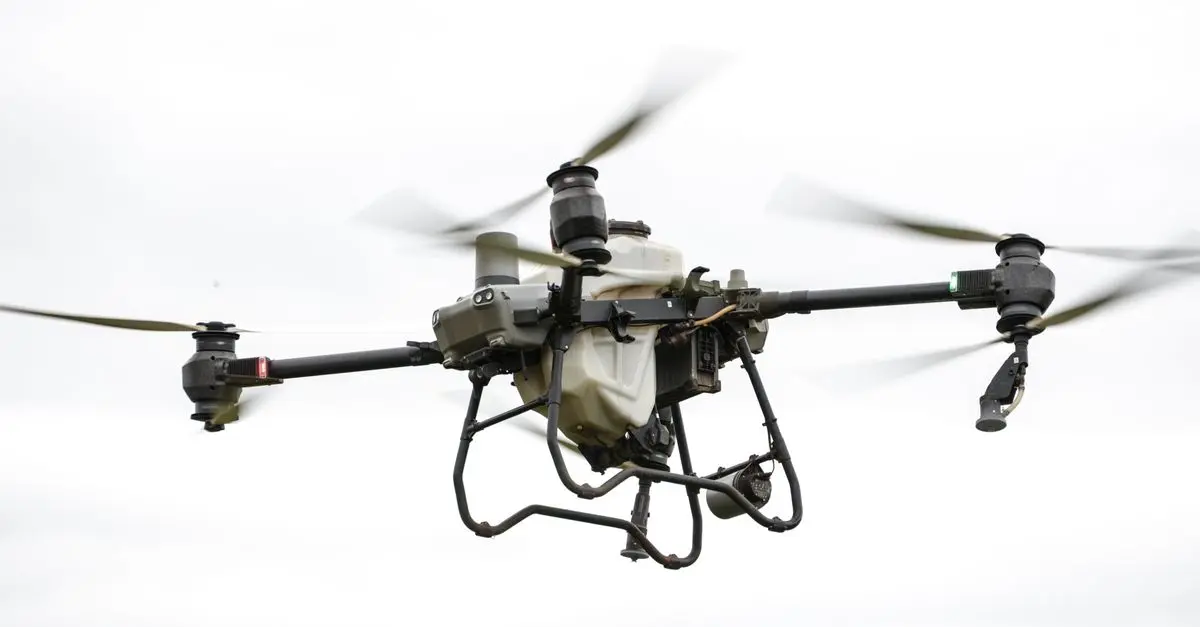
Drone technology refers to the use of UAVs equipped with advanced sensors, cameras, and other tools to perform various tasks, including aerial surveillance, data collection, and delivery. Drones, also known as UAVs, have gained traction in public safety due to their speed, cost-effectiveness, and capability to reach inaccessible areas.
Public safety agencies view drones as game-changers. For instance, during natural disasters such as hurricanes or floods, drones can quickly survey extensive areas, providing real-time visuals that assist in assessing the damage and coordinating rescue efforts. According to a report from the Federal Aviation Administration (FAA), the number of drones used for public safety has increased by over 30% from 2020 to 2025, showcasing their growing significance in emergency response. This development highlights the increasing reliance on technology to bolster public safety measures.
Step-by-Step Guide to Implementing Drones in Emergency Response
Incorporating drone technology into emergency response protocols requires methodical planning and execution. Here are the essential steps for effective implementation:
Step 1: Identify Needs
Before introducing drones, agencies should first assess their specific needs regarding public safety. Identifying problems such as response times to emergencies, areas lacking coverage, and public safety objectives is crucial.
Step 2: Select Appropriate Technology
Choosing the right drone technology is pivotal. Factors like flight range, endurance, sensor capabilities, and payload capacity will influence the selection. Agencies should opt for UAVs with thermal cameras for search and rescue missions or drones with high-resolution cameras for surveillance operations.
Step 3: Training Personnel
Having drones is not enough; proper training of personnel is essential. Training should encompass flight operations, data analysis, and legal guidelines governing drone usage. This training ensures that team members can operate drones efficiently and within regulations.
Step 4: Establish Protocols
Developing usage protocols is critical. These protocols should outline operational procedures for various scenarios, including drone deployment during emergencies, maintenance schedules, and data management.
Step 5: Evaluate and Adapt
Consistency in evaluating the effectiveness of drone operations and adapting protocols based on real-world experiences is essential for continuous improvement. Agencies should review incident responses, gather feedback, and make data-driven adjustments to enhance overall performance.


Kingston Technology ValueRAM 8 Go 1x8 Go DDR5 5600 MT/s 262-pin SO-DIMM
Topbiz FR

Comparative Analysis of Drones in Public Safety
To appreciate drone technology's efficacy in public safety, consider the following comparative analysis of different UAV applications:
| Application | Benefits | Challenges | Verdict |
|---|---|---|---|
| Disaster Response | Rapid assessment, real-time data | Regulatory hurdles | Highly beneficial |
| Surveillance | Extensive coverage, deterrence | Privacy concerns | Essential for law enforcement |
| Search and Rescue | Increased survival rates | Technical limitations | Game-changer in emergencies |
| Traffic Monitoring | Improved safety, reduced congestion | Infrastructure needs | Effective for urban areas |
Data-Driven Insights into Drone Use for Public Safety
A recent study conducted by Drones for Good reveals that law enforcement agencies noted a 23% decrease in response times due to drone deployment during emergencies. Additionally, over 70% of fire departments saw improved situational awareness during firefighting efforts through aerial drone surveillance. These statistics underscore how drone technology not only enhances operational efficiency but significantly impacts public safety outcomes.
Furthermore, emerging trends indicate that drone technology will continue to evolve, with advancements such as artificial intelligence improving data analysis capabilities and predictive modeling. Such developments could lead to enhanced proactive measures in public safety, paving the way for smarter, more responsive solutions for communities.
Expert Opinion
> 💡 Expert Insight: "Drones transform emergency response strategies by providing critical information in real-time. This capability is invaluable in life-and-death situations. Agencies using drones can make better decisions and save lives by effectively utilizing aerial technology." - John Smith, Public Safety Drone Developer.
📺 For Further Explorations
To explore more about the effectiveness of drone technology in enhancing public safety, check out Drone Technology in Emergency Services, a comprehensive analysis available on YouTube. Search for "drone technology public safety 2026" for in-depth insights.
1. What types of drones are used in public safety?
Drones used in public safety vary widely and include multi-rotor drones for surveillance, fixed-wing drones for longer range flights, and drones with specialized sensors for search and rescue missions.
2. Are there any regulations regarding drone use in public safety?
Yes, public safety agencies must comply with FAA regulations and local laws governing UAV use, including restrictions on flying over populated areas and privacy considerations.
3. How do drones improve response times in emergencies?
Drones provide immediate aerial views of disaster sites, allowing responders to assess situations quickly, thus reducing response times and improving decision-making.
4. Can drones be operated during adverse weather conditions?
While many drones can withstand various weather conditions, operational capabilities may be limited in high winds, heavy rain, or snow. Agencies must follow specific guidelines to ensure safe operations.
Glossary
| Terme | Définition |
|---|---|
| UAV (Unmanned Aerial Vehicle) | Unmanned aircraft operated remotely, typically used for surveillance and data gathering. |
| Payload Capacity | The maximum weight that a drone can carry, affecting its operational range and efficiency. |
| Thermal Imaging | The use of infrared sensors to detect heat emissions for surveillance or search-and-rescue operations. |
Checklist Before Implementing Drone Technology
- [ ] Assess specific needs for drone application in public safety.
- [ ] Research and select suitable drone technology based on mission requirements.
- [ ] Train personnel on the safe operation and regulations of drones.
- [ ] Establish clear operating protocols for drone use during emergencies.
- [ ] Regularly review and update operational protocols based on feedback and data analysis.
Conclusion
The integration of drone technology into public safety practices represents a significant evolution in how communities address emergencies and enhance security. With the ability to assess situations rapidly and gather crucial data, drones enable public safety agencies to respond more effectively, ultimately leading to safer environments for all. As technology continues to advance, the adoption of drones in public safety will likely expand, paving the way for even more innovative solutions in the future.
Recommended Products
- - - ---
📺 Pour aller plus loin : drone technology public safety 2026 sur YouTube
Recommended products
Selected by our experts
Kingston Technology FURY 16GB 3200MT/s DDR4 CL20 SODIMM Impact
Topbiz FR
This RAM enhances drone computing capabilities, improving flight stability and data processing during missions.
Kingston Technology ValueRAM 8 Go 1x8 Go DDR5 5600 MT/s 262-pin SO-DIMM
Topbiz FR
This product ensures that UAVs operate efficiently, particularly when multitasking with various sensors.
Kingston Technology FURY Beast 16GB 6400MT/s DDR5 CL32 DIMM RGB EXPO
Topbiz FR
Having reliable memory is critical for processing high-resolution images and video captured by drones during missions.